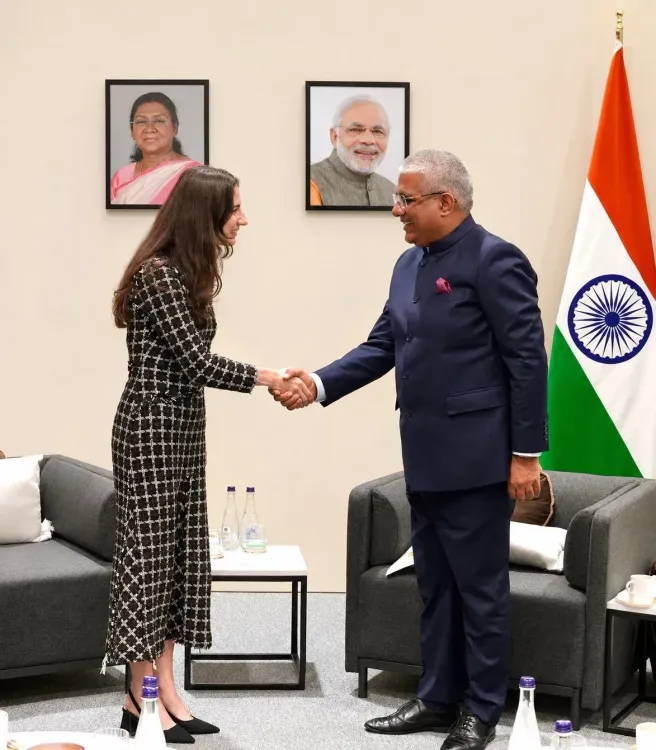
Bhupender Yadav meets Sweden's Climate Minister at COP31
Synopsis
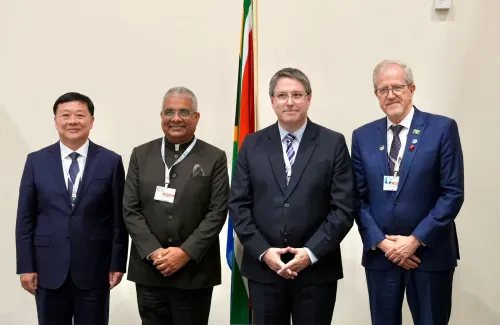
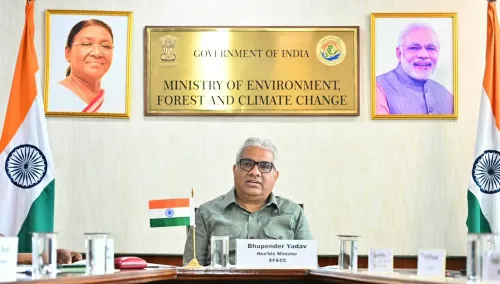
Union Environment Minister Bhupender Yadav met Sweden's Climate Minister Romina Pourmokhtari at COP31 in Antalya, Türkiye, to advance the India-Sweden LeadIT initiative, focusing on technology transfer, finance access and industry partnerships for hard-to-abate sectors.
Key Takeaways
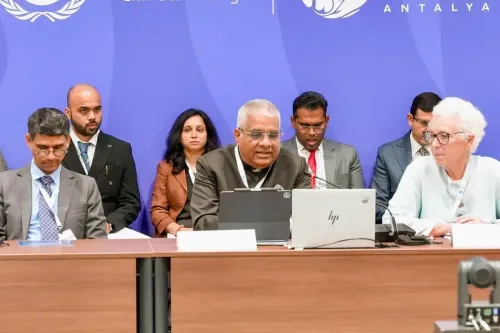
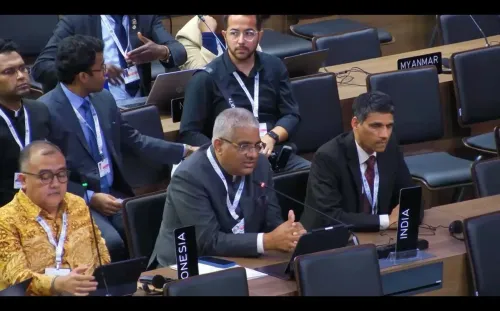
Bhupender Yadav and Sweden's Romina Pourmokhtari met on the sidelines of COP31 in Antalya, Türkiye on November 20, 2026 .
The bilateral centred on the LeadIT (Leadership Group for Industry Transition) initiative, co-launched by India and Sweden at the UN Climate Action Summit in September 2019 .
Key agenda items included technology transfer , access to finance and industry partnerships for hard-to-abate industrial sectors.
The meeting reflects India's consistent COP position that equity and technology access must accompany emissions-reduction ambition.
Pourmokhtari has served as Sweden's Minister for Climate and the Environment since 2022 , making her a key European interlocutor on industrial decarbonisation.
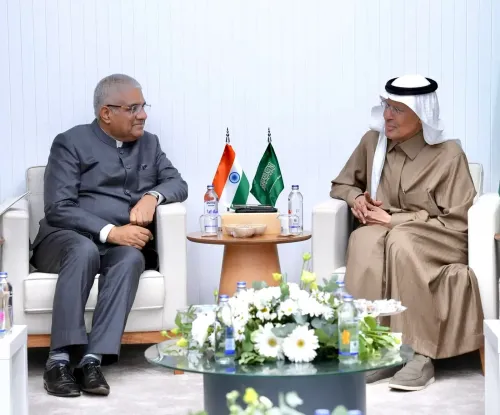
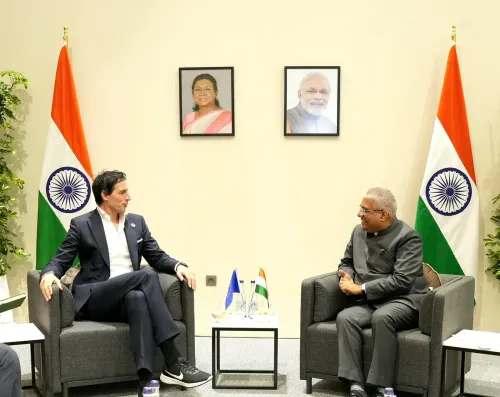
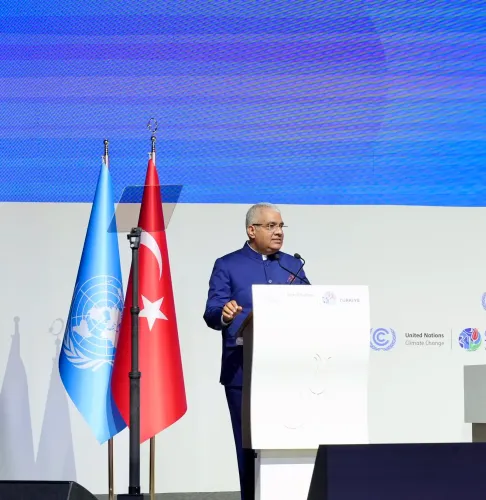
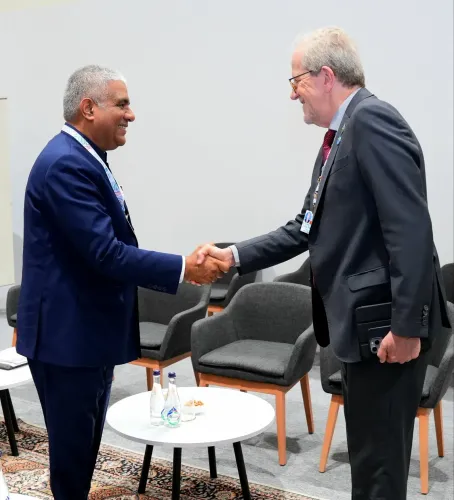
At the margins of COP31 in Antalya, Türkiye, Union Environment Minister Bhupender Yadav sat down with Sweden's Minister for Climate and the Environment, H.E. Romina Pourmokhtari, on Friday, November 20, 2026 — a bilateral meeting that put the spotlight squarely on one of the most ambitious India-Sweden joint ventures in global climate diplomacy.
The two ministers focused their conversation on the LeadIT initiative — the Leadership Group for Industry Transition — the flagship platform that India and Sweden co-launched at the UN Climate Action Summit in September 2019 to steer heavy industries toward low-carbon pathways. The agenda covered three pillars: technology transfer, access to finance, and building industry partnerships — all oriented toward what negotiators call a 'just and inclusive industrial transition.'
Why hard-to-abate sectors are the centrepiece
Steelmakers, cement producers, chemical manufacturers — these are the industries that cannot simply swap in a solar panel and call it net-zero. The so-called 'hard to abate' sectors are responsible for a disproportionate share of global emissions and are precisely where the LeadIT initiative has staked its identity. For India, a country with an enormous industrial base and legitimate development imperatives, any credible climate pathway runs straight through these sectors — which is why the technology-transfer and finance-access conversation with Sweden carries real weight, not just diplomatic symbolism.India-Sweden's LeadIT: seven years and counting
Since its 2019 launch, LeadIT has grown into a multilateral platform, bringing together governments and companies to share pilot projects, mobilise capital, and build the policy frameworks needed for industrial decarbonisation. India's engagement with the initiative reflects a consistent negotiating position at the UNFCCC: that equity and access — not just ambition — must define the global climate architecture. By pressing on technology transfer and finance at a bilateral meeting inside a COP session, Yadav is effectively embedding India's equity argument into the working machinery of the talks. Minister Pourmokhtari, who has led Sweden's environment portfolio since 2022, brings a Nordic perspective that has historically aligned with developing-country calls for scaled-up climate finance — a convergence that gives the LeadIT conversation unusual traction on both sides of the table. The question now is whether this sideline engagement translates into concrete pilot-project announcements or new financing commitments before the COP31 gavels close in Antalya.Point of View
Particularly on the technology-finance axis where developing nations argue the global system still falls short. LeadIT, now seven years old, has become India's preferred vehicle for demonstrating that industrial decarbonisation can be both ambitious and equitable. The focus on hard-to-abate sectors is strategically astute — it is where India's development stakes are highest and where it can credibly demand concessions on finance and technology. Watch whether this meeting seeds a joint announcement before COP31 closes.
NationPress
20 Nov 2026
Frequently Asked Questions
What is the LeadIT initiative between India and Sweden?
LeadIT, the Leadership Group for Industry Transition, is a joint India-Sweden initiative launched at the UN Climate Action Summit in September 2019 to accelerate the shift of heavy industries toward low-carbon and net-zero pathways.
What did Bhupender Yadav and Romina Pourmokhtari discuss at COP31?
They discussed advancing the LeadIT initiative, with a specific focus on technology transfer, access to climate finance, and industry partnerships for a just and inclusive industrial transition, particularly in hard-to-abate sectors.
What are hard-to-abate sectors in the context of climate change?
Hard-to-abate sectors are industries such as steel, cement and chemicals where decarbonisation is technically difficult and expensive, making them responsible for a disproportionate share of global greenhouse-gas emissions.
Where is COP31 being held?
COP31, the 31st Conference of the Parties to the UNFCCC, is being held in Antalya, Türkiye.
Who is Romina Pourmokhtari?
Romina Pourmokhtari is Sweden's Minister for Climate and the Environment, a position she has held since 2022, and a key European voice on industrial decarbonisation and climate finance.