Bhupender Yadav Plants Trees in Manesar, Hails Haryana's Aravalli Move
Synopsis
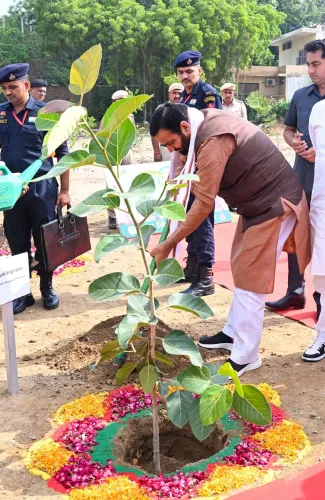
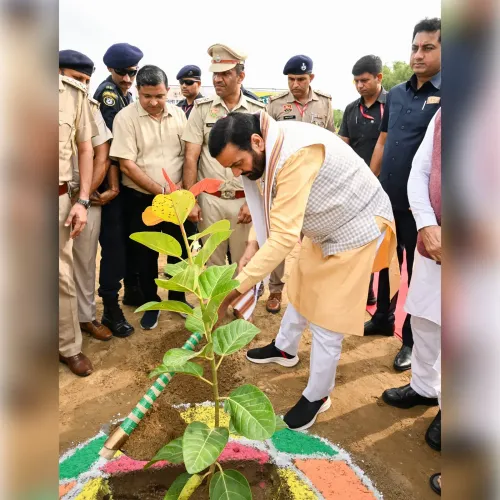
Union Environment Minister Bhupender Yadav joined Haryana CM Nayab Singh Saini at the 77th Van Mahotsav in Manesar on August 7, 2026, planting saplings under the 'Ek Ped Maa Ke Naam' campaign and hailing Haryana's historic move to convert Aravalli revenue land into protected forest land.
Key Takeaways
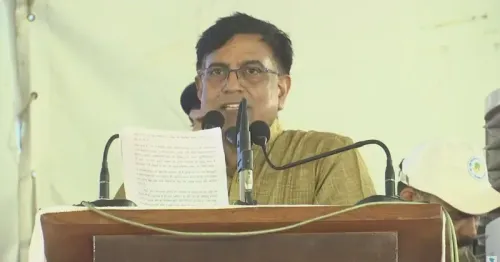
Union Environment Minister Bhupender Yadav attended the 77th State-Level Van Mahotsav in Manesar, Gurugram on August 7, 2026 .
Haryana has declared a significant area of revenue land in the Aravalli region as forest land , a step Yadav described as 'remarkable and historic'.
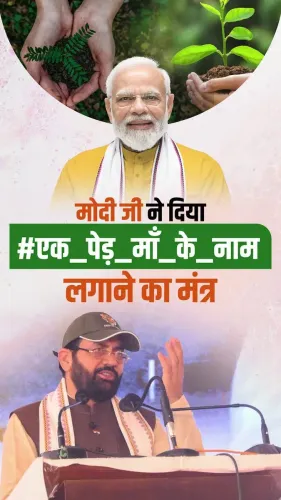
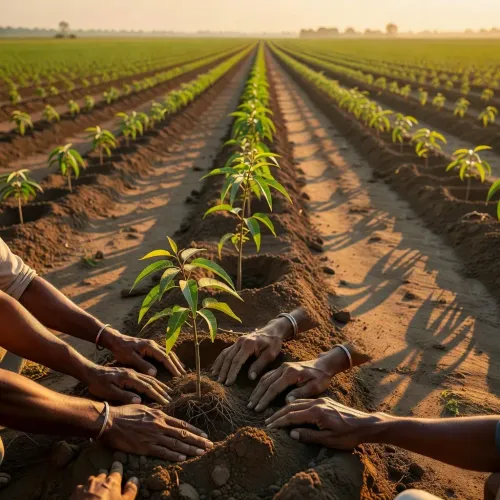
Tree-planting was carried out under the 'Ek Ped Maa Ke Naam' campaign, launched by PM Narendra Modi in 2024 .
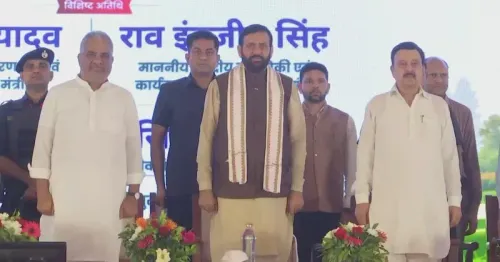
Haryana CM Nayab Singh Saini and state minister Rao Narbir Singh were present at the event.
The Aravalli reclassification supports India's National Forest Policy 1988 target of 33 per cent forest and tree cover.
The exact area of reclassified land is yet to be detailed in a follow-up gazette notification.
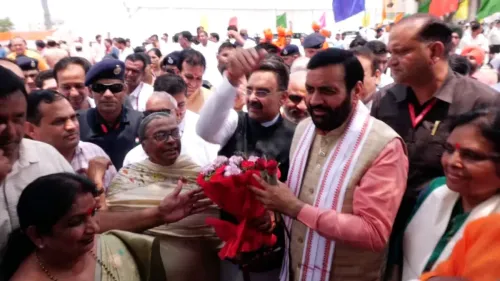
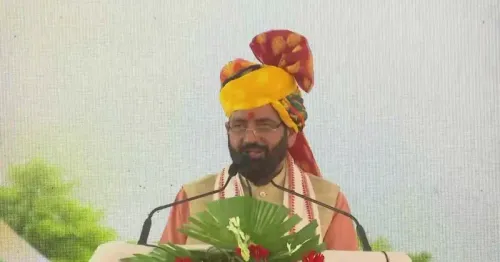
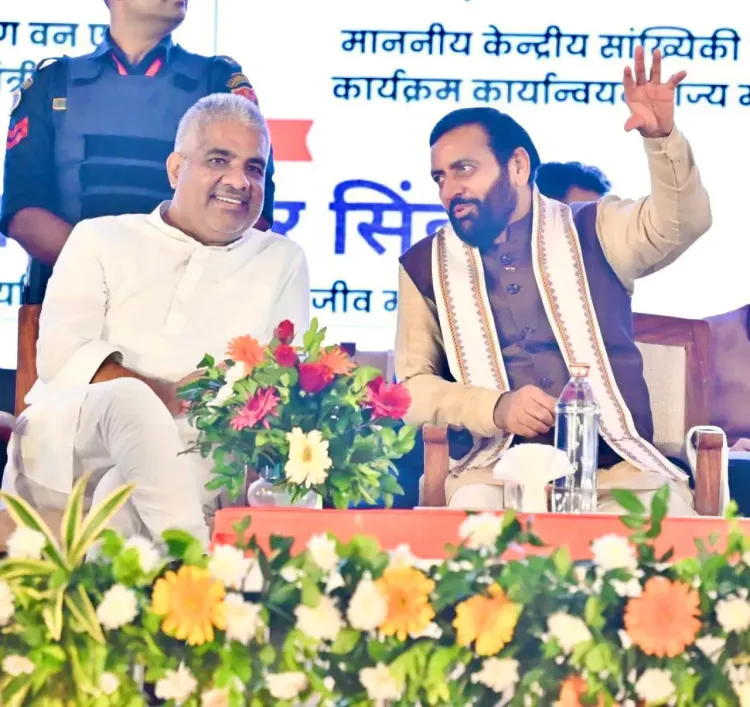
A forest festival, a national campaign, and a landmark land-use decision converged at Manesar, Gurugram on Friday, August 7, 2026 — when Union Environment Minister Bhupender Yadav joined Haryana Chief Minister Nayab Singh Saini and state minister Rao Narbir Singh on stage at the 77th State-Level Van Mahotsav to plant saplings under the 'Ek Ped Maa Ke Naam' (One Tree in Mother's Name) campaign.
Revenue Land Becomes Forest Land — Haryana's Aravalli Pledge
The headline from the event was not the tree-planting ceremony itself, but the announcement that Haryana has declared a significant stretch of revenue land in the Aravalli region as forest land — a reclassification Yadav called 'remarkable and historic' (ullekhaniya evam aitihasik). The move brings that land under the protection of forest laws, shielding it from encroachment, mining, and commercial development.
The Aravalli Range — India's oldest mountain system, running through Haryana, Rajasthan, Gujarat and the edges of Delhi — has been at the centre of a decades-long legal and regulatory battle. It functions as a natural barrier against the Thar Desert's advance and as a green lung for the Delhi-NCR airshed. Every patch converted back to protected forest status directly reduces the risk of dust storms and particulate pollution that choke the region each winter.
Van Mahotsav at 77: From a 1950 Idea to a Living Institution
Van Mahotsav — the annual tree-planting festival — was conceived in 1950 by then Union Agriculture Minister K.M. Munshi as a week-long celebration of forests. Seventy-seven editions later, it has become the institutional anchor for state-level afforestation drives across India. Haryana's choice to use this platform to announce the Aravalli land reclassification signals that the state is treating this year's edition as more than a ceremonial planting exercise.
'Ek Ped Maa Ke Naam' — Modi's Campaign Finds a Haryana Stage
The 'Ek Ped Maa Ke Naam' campaign, launched by Prime Minister Narendra Modi in 2024, asks every citizen to plant a tree in honour of their mother, blending emotional resonance with ecological intent. Yadav's participation at the Haryana event — alongside the Chief Minister — underlines the Centre's push to embed the campaign in state-level forestry events, giving it institutional reach beyond social-media pledges.
Yadav also noted that the Haryana government is pursuing 'effective and far-sighted' (prabhavi aur doordarshi) initiatives to ensure clean air — a pointed reference to the state's role in the NCR pollution crisis that draws national attention every post-monsoon season.
Aravalli's Reclassification in a Larger Pattern
Haryana's move aligns with the National Forest Policy 1988 target of bringing 33 per cent of India's land area under forest or tree cover, and with compensatory afforestation guidelines under CAMPA. Similar revenue-to-forest land conversions have been pursued in the Rajasthan and Gujarat sections of the Aravalli in recent years. The exact area and survey numbers of the newly reclassified land in Haryana are yet to be officially detailed in a follow-up gazette notification — that document will be the real test of the announcement's scale.
For now, the political signal is unambiguous: with a BJP government in both Haryana and at the Centre, the Aravalli's protection is being framed as a joint federal project — and Van Mahotsav 2026 was the chosen stage to say so.
Point of View
Details that remain pending. For the BJP, the announcement at a high-profile Van Mahotsav event — with both the Union Environment Minister and the Chief Minister present — is also a political statement about federal coordination on environment ahead of potential scrutiny over Delhi-NCR air quality. The 'Ek Ped Maa Ke Naam' campaign's integration into state forestry events shows the Centre's strategy of giving Modi-era citizen campaigns institutional legs through state machinery. The Aravalli's long history of contested land use means this announcement will be watched closely by environmental courts and conservation groups for follow-through.
NationPress
7 Aug 2026
Frequently Asked Questions
What is the 'Ek Ped Maa Ke Naam' campaign?
'Ek Ped Maa Ke Naam' (One Tree in Mother's Name) is a national tree-plantation campaign launched by Prime Minister Narendra Modi in 2024, encouraging every citizen to plant a tree as a tribute to their mother.
What did Haryana announce about Aravalli land at Van Mahotsav 2026?
Haryana announced that it has reclassified a significant stretch of revenue land in the Aravalli region as forest land, bringing it under forest law protection against encroachment and commercial use.
What is Van Mahotsav and when did it start?
Van Mahotsav is India's annual tree-planting festival, initiated in 1950 by then Union Agriculture Minister K.M. Munshi. The 2026 edition in Haryana was the 77th in the series.
Why is Aravalli conservation important for Delhi-NCR?
The Aravalli Range acts as a natural barrier against desert encroachment and a green buffer that helps reduce dust and particulate pollution in the Delhi-NCR airshed, making forest cover there directly relevant to the region's air quality.
Who attended the 77th Van Mahotsav in Manesar?
Union Environment Minister Bhupender Yadav, Haryana Chief Minister Nayab Singh Saini, and Haryana state minister Rao Narbir Singh attended the 77th State-Level Van Mahotsav in Manesar, Gurugram on August 7, 2026.