CM Saini at Karnal Van Mahotsav, invokes Bishnoi sacrifice
Synopsis
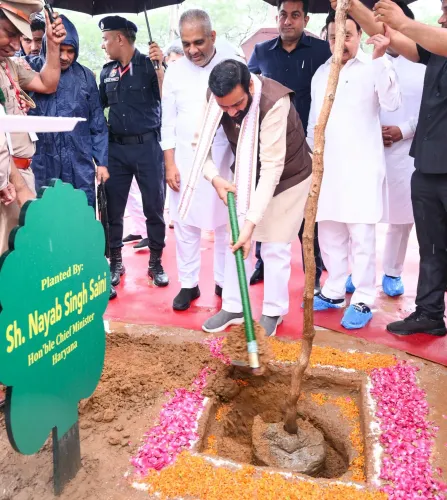
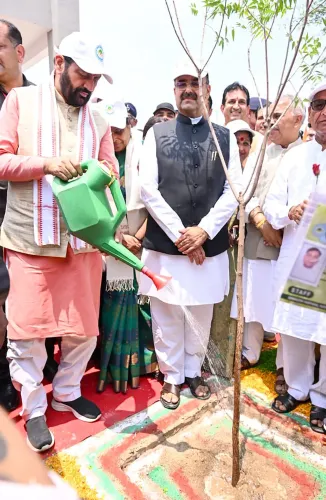
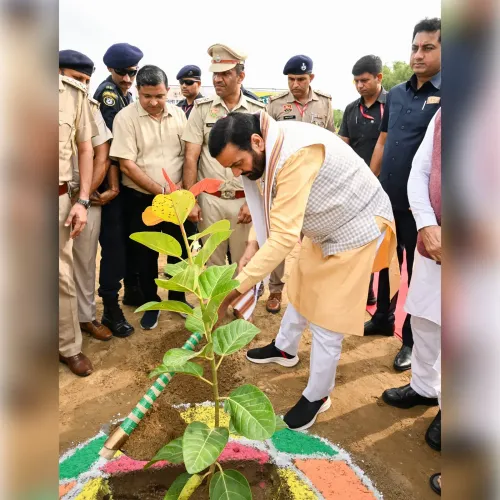
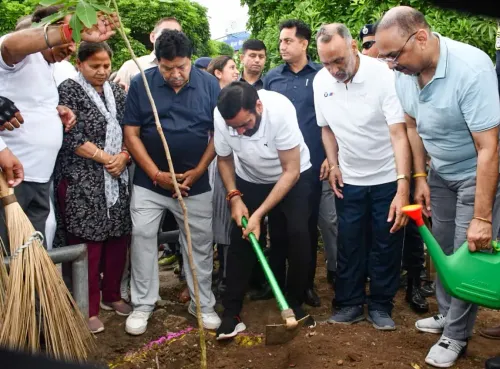
Haryana Chief Minister Nayab Singh Saini attended the 77th State-Level Van Mahotsav in Karnal on 30 July 2026, honouring Mata Amrita Devi Bishnoi's 1730 sacrifice and urging citizens to join PM Modi's 'Ek Ped Maa Ke Naam' campaign as a mass movement for a greener Haryana.
Key Takeaways
CM Nayab Singh Saini attended the 77th State-Level Van Mahotsav in Karnal, Haryana on 30 July 2026 .
Mata Amrita Devi Bishnoi and 363 Bishnoi villagers sacrificed their lives in 1730 to protect khejri trees — CM Saini cited this as the event's moral foundation.
Van Mahotsav is an annual national tree-planting festival first launched in 1950 by K.M.
Saini called for PM Narendra Modi 's 'Ek Ped Maa Ke Naam' campaign to be converted into a jan andolan (people's movement).
The CM framed climate change as a global challenge requiring citizen participation, not government policy alone.
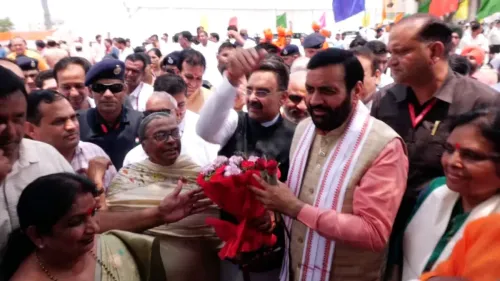
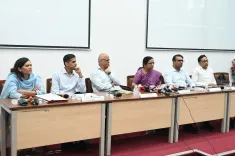
Forest department officials, field workers, and citizens were felicitated at the event.
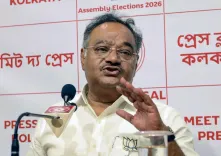
At Karnal on Thursday, 30 July 2026, Haryana Chief Minister Nayab Singh Saini joined the 77th State-Level Van Mahotsav — and opened not with a policy announcement, but with a nearly 300-year-old act of sacrifice. Trees, he said, are not just resources. They are the planet's immune system.
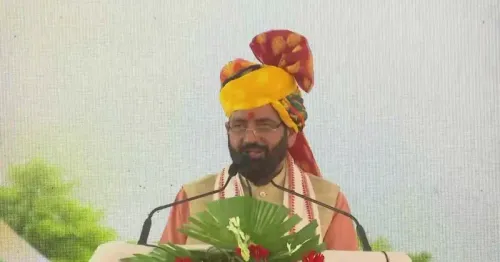
Addressing forest department officials, field workers, and citizens gathered for the annual plantation festival, CM Saini drew a sharp distinction: 'चिकित्सा विज्ञान मनुष्य के स्वास्थ्य की रक्षा करता है, जबकि वृक्ष पूरी पृथ्वी के स्वास्थ्य के रक्षक हैं' — 'Medical science protects human health; trees protect the health of the entire Earth.' It is a line that reframes conservation as planetary medicine, not bureaucratic obligation.
The 1730 sacrifice that still echoes in Haryana's forests
The Chief Minister invoked Mata Amrita Devi Bishnoi, who in 1730 gave her life — along with 363 fellow Bishnoi villagers — to shield khejri trees in Khejarli village, Rajasthan from being felled on royal orders. That act of collective martyrdom became the founding moment of community-led conservation in India, centuries before the word 'environmentalism' entered any language. Saini held it up not as a historical footnote but as a living mandate.
The reference carries weight in the political geography of Haryana, where the Bishnoi community has deep roots and where reverence for the natural world is embedded in local culture. Connecting that heritage to a 21st-century climate agenda is deliberate — it grounds a global crisis in local memory.
Modi's 'Ek Ped Maa Ke Naam' as Haryana's organising frame
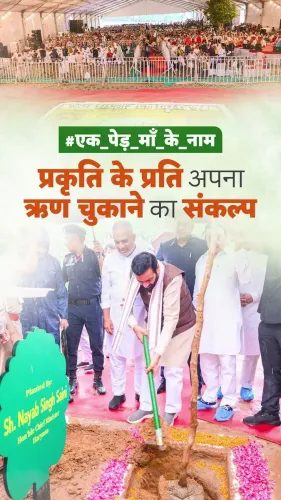
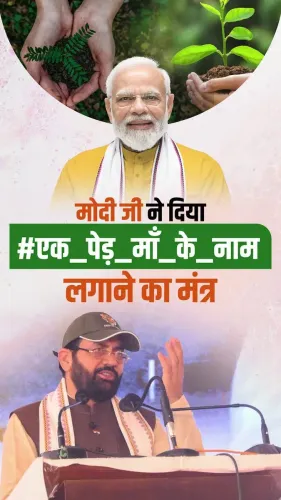
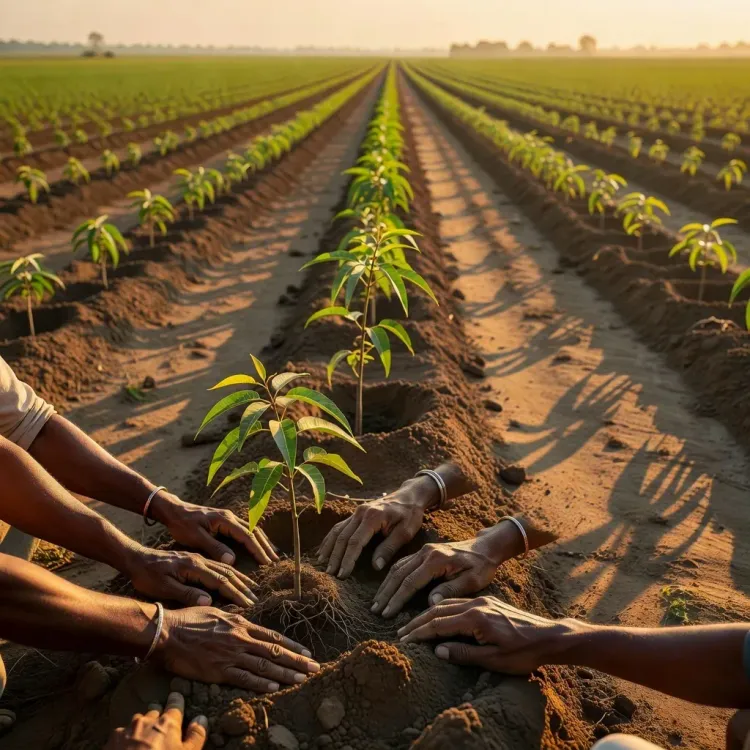
Saini anchored the day's drive to Prime Minister Narendra Modi's 'Ek Ped Maa Ke Naam' ('One Tree in Mother's Name') campaign, calling for it to be transformed into a jan andolan — a people's movement. The campaign asks every Indian to plant a tree in honour of their mother, converting a personal gesture into a national afforestation count.
Van Mahotsav itself is no new invention — it was launched nationally in 1950 by K.M. Munshi as India's primary annual tree-planting festival. Seventy-six editions in, the challenge has shifted from awareness to urgency: climate change now gives the ritual a deadline.
Saini framed that urgency plainly — climate change is a global challenge whose solution lies not only in government policy but in the active participation of every citizen. Government targets without public buy-in, the argument goes, are just numbers on paper.
What Haryana's forest push actually demands
The real test will be in plantation survival rates, forest cover data, and whether state budget allocations for green infrastructure grow in coming assembly sessions. Ceremonial planting drives are easy to photograph. Sustained canopy cover is harder to manufacture. The forest department officials in that Karnal auditorium know the difference better than anyone.
For now, CM Saini has set the tone: heritage, urgency, and mass participation — not government alone — as Haryana's formula for a greener future. The trees planted today will be the verdict.
Point of View
CM Saini is doing something politically deliberate: connecting BJP's national green agenda to a deeply local, community-specific heritage that resonates strongly in Haryana. The 'Ek Ped Maa Ke Naam' framing keeps the Centre's campaign visible at the state level, reinforcing BJP's vertical integration on environmental messaging. More broadly, the shift from government-led plantation drives to citizen-participation rhetoric reflects a national pattern — as India faces scrutiny over forest cover and climate commitments, the political cost of inaction is rising. Whether the rhetoric translates into measurable canopy gains in Haryana will be the real test of this Van Mahotsav edition.
NationPress
13 Sept 2026
Frequently Asked Questions
What is Van Mahotsav and when did it start?
Van Mahotsav is India's annual national tree-planting and forest conservation festival, first launched in 1950 by K.M. Munshi to promote afforestation and public awareness about forests.
Who was Mata Amrita Devi Bishnoi?
Mata Amrita Devi Bishnoi was a Bishnoi community leader who, in 1730 , sacrificed her life along with 363 fellow villagers in Khejarli, Rajasthan to protect khejri trees from being felled — an act considered the founding moment of community-led conservation in India.
What is PM Modi's 'Ek Ped Maa Ke Naam' campaign?
'Ek Ped Maa Ke Naam' ('One Tree in Mother's Name') is a national campaign launched by Prime Minister Narendra Modi that urges every Indian to plant a tree in honour of their mother, aiming to turn individual gestures into a mass afforestation movement.
Where was the 77th State-Level Van Mahotsav held in Haryana?
The 77th State-Level Van Mahotsav was held in Karnal, Haryana on 30 July 2026 , attended by Chief Minister Nayab Singh Saini .
What did CM Nayab Singh Saini say at Van Mahotsav 2026?
CM Saini said that trees are the guardians of the entire Earth's health, invoked the sacrifice of Mata Amrita Devi Bishnoi , and called for PM Modi's 'Ek Ped Maa Ke Naam' campaign to become a people's movement for a greener, healthier Haryana.