Bhupender Yadav Pushes India-Japan JCM at COP31
Synopsis
At COP31 in Antalya, Environment Minister Bhupender Yadav championed the India-Japan Joint Crediting Mechanism, urging the partnership to be measured by finance mobilised and technologies transferred — not emission reductions alone — while reaffirming India's commitment to equitable climate cooperation.
Key Takeaways
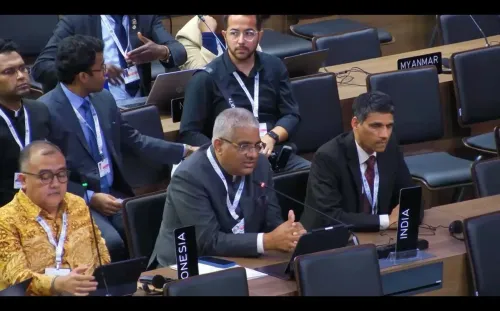
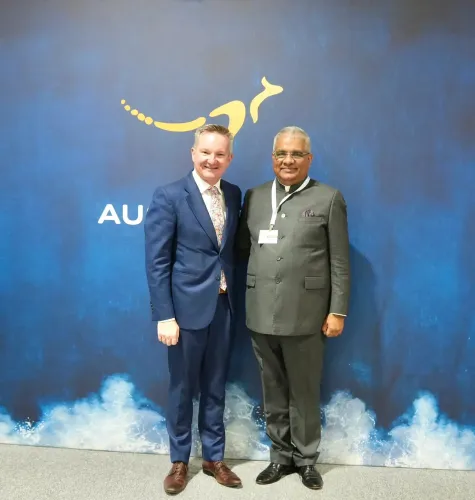
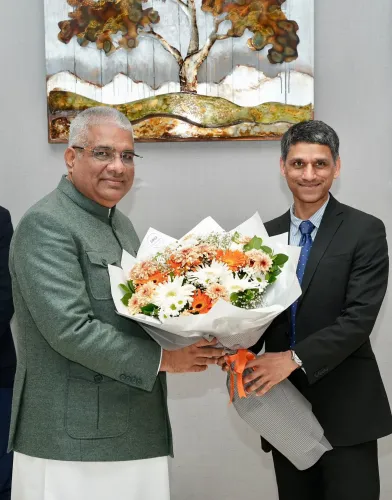
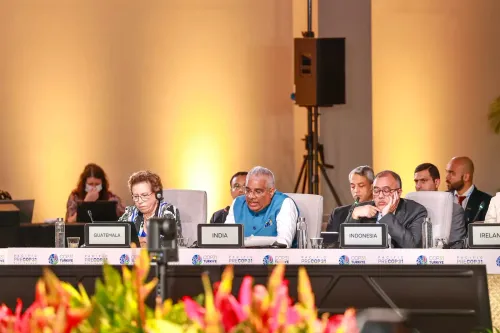
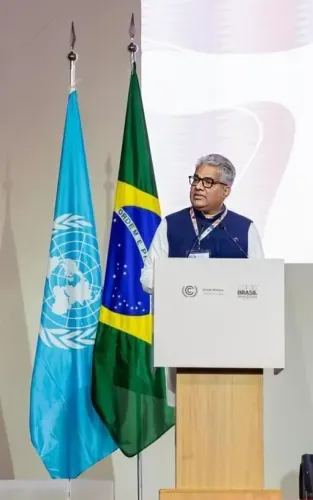
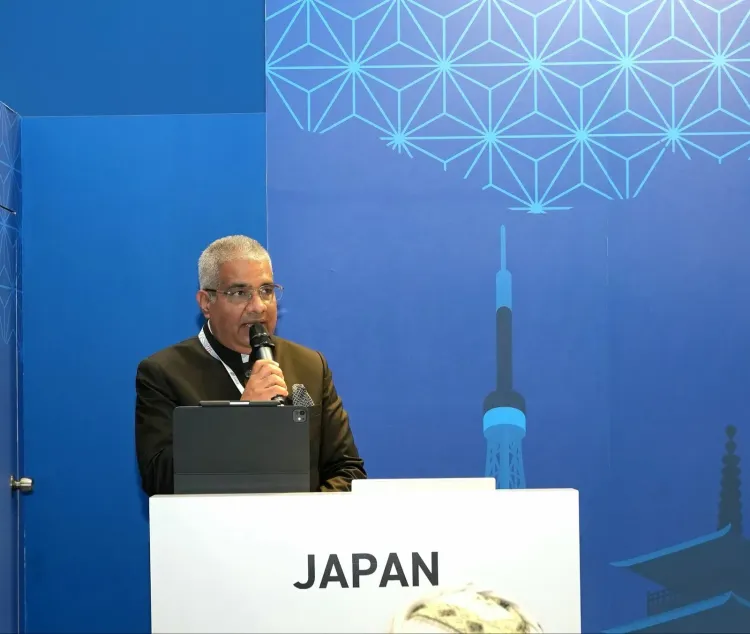
Union Environment Minister Bhupender Yadav spoke at the 12th JCM Partner Countries' Meeting on the sidelines of COP31 in Antalya, Türkiye on 17 November 2026 .
He highlighted progress in operationalising the India-Japan Joint Crediting Mechanism (JCM) , established by a bilateral memorandum in 2014 .
Yadav argued JCM success must be measured by finance mobilised, technologies transferred, capacities built and sustainable development benefits — not emissions alone.
He emphasised JCM's potential for equitable and scalable climate cooperation that respects the national priorities of developing countries.
Japan runs JCM partnerships with more than twenty countries ; the operational launch of specific India-Japan projects remains the key near-term milestone to watch.
At the margins of COP31 in Antalya, Türkiye, Union Environment Minister Bhupender Yadav stepped into the 12th Joint Crediting Mechanism Partner Countries' Meeting on Tuesday, 17 November 2026, with a pointed message: the India-Japan bilateral carbon partnership has moved — and must now move further, on terms that work for the developing world.
Yadav highlighted the progress made in operationalising the India-Japan Joint Crediting Mechanism (JCM), a bilateral carbon-crediting arrangement that the two countries anchored with a Memorandum of Cooperation in 2014. The mechanism is designed to channel Japanese low-carbon technology and finance into partner economies while generating credits that count toward both nations' climate commitments under the Paris Agreement.
Why India Wants the JCM Scorecard Redrawn
The minister's sharpest intervention was on how 'success' gets defined. Yadav stated that the JCM's performance should be judged not only by tonnes of carbon reduced, but equally by the finance mobilised, technologies transferred, domestic capacities strengthened and sustainable development benefits generated. That framing is deliberate and consistent: India has argued across every major climate forum that emission-reduction numbers, stripped of finance and technology metrics, tell an incomplete — and unfair — story for developing nations.
Japan has built the JCM into one of the world's larger bilateral carbon networks, extending similar partnerships to more than twenty countries. For India, the value proposition is not simply credits on a ledger; it is industrial capability, cleaner technology stacks and a pathway to meeting its own national climate targets without compromising development priorities.
Equity and Scalability at the Centre of India's Ask
Yadav emphasised the JCM's 'potential as a platform for promoting equitable and scalable climate cooperation while supporting the national priorities of developing countries.' The language is a signal to other JCM partner nations — many of them in Asia, Africa and the Pacific — that India sees the mechanism as a template for South-South-North collaboration, not just a bilateral transaction.
India has consistently paired its multilateral UNFCCC engagement with bilateral instruments like the JCM to access the finance and technology that large developing economies require but have historically struggled to unlock through the main negotiating tracks alone.
What Comes Next for India-Japan JCM Projects
The immediate watch-point is the operational launch of specific India-Japan JCM projects — the concrete implementations that would put flesh on the diplomatic progress Yadav flagged at the meeting. Any follow-up decisions at the next JCM partner convening will indicate whether the momentum from Antalya translates into bankable, on-the-ground activities.
India's reaffirmation of commitment to working closely with Japan — voiced at a COP that sets the tone for near-term Article 6 carbon market rules — means the bilateral channel is very much open and, by New Delhi's own account, delivering. The question now is how fast the pipeline fills.
Point of View
India is effectively lobbying to institutionalise a development-first lens into Article 6 bilateral mechanisms, which could influence how other developing-country partners frame their own expectations of Japan and similar donors. The timing at COP31 amplifies the message: whatever carbon market rules emerge from the plenary will be watched against the standard India is now openly articulating. If operationalised projects follow the rhetoric, the India-Japan JCM could become a reference model for equitable South-North technology partnerships.
NationPress
17 Nov 2026
Frequently Asked Questions
What is the India-Japan Joint Crediting Mechanism (JCM)?
The India-Japan Joint Crediting Mechanism is a bilateral carbon-crediting arrangement, established through a Memorandum of Cooperation signed in 2014, designed to channel Japanese low-carbon technology and finance into India while generating carbon credits that count toward both countries' Paris Agreement commitments.
What did Bhupender Yadav say at COP31 about the JCM?
At the 12th JCM Partner Countries' Meeting on the sidelines of COP31 in Antalya, Yadav highlighted progress in operationalising the India-Japan JCM and argued that its success should be measured not only by emission reductions but also by finance mobilised, technologies transferred, domestic capacities strengthened and sustainable development benefits generated.
Where is COP31 being held in 2026?
COP31, the 31st Conference of the Parties to the UNFCCC, is being held in Antalya, Türkiye in 2026.
How many countries does Japan have JCM partnerships with?
Japan has established Joint Crediting Mechanism partnerships with more than twenty countries, making it one of the world's larger bilateral carbon-crediting networks.
What is India's broader position on climate finance and technology transfer?
India consistently argues across UNFCCC and bilateral forums that climate progress for developing nations must be measured by the finance mobilised and technologies transferred — not just emission reductions — reflecting the development needs and national priorities of countries like India.