Bhupender Yadav urges daily yoga beyond June 21
Synopsis
On International Yoga Day 2026, Union Environment Minister Bhupender Yadav called on Indians to make yoga a daily year-round habit rather than a once-a-year event, aligning with the global theme of Yoga for Healthy Ageing and the government's broader preventive-health strategy.
Key Takeaways
Union Environment Minister Bhupender Yadav posted a yoga appeal on 21 June 2026 , coinciding with International Yoga Day .
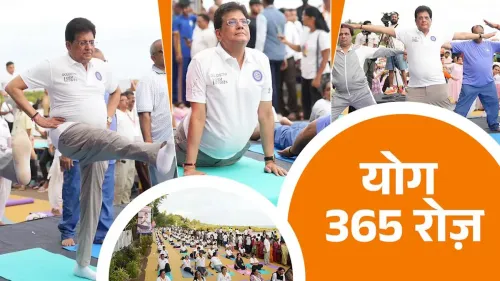
He urged citizens to practise yoga for all 365 days of the year, using the day as a starting point rather than a standalone event.
The post carried the theme hashtag #YogaForHealthyAgeing , reflecting the 2026 International Yoga Day focus on elderly wellness.
International Yoga Day on 21 June was established by the UN General Assembly in 2014 on a proposal by Prime Minister Narendra Modi .
The Ministry of AYUSH leads India's institutional yoga promotion through programmes such as the Common Yoga Protocol and the Yoga Certification Board .
Yadav's cross-ministry amplification reflects a coordinated government communication strategy around yoga as a preventive-health tool.
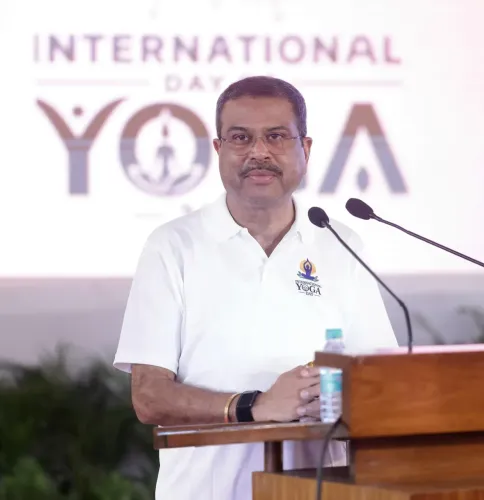
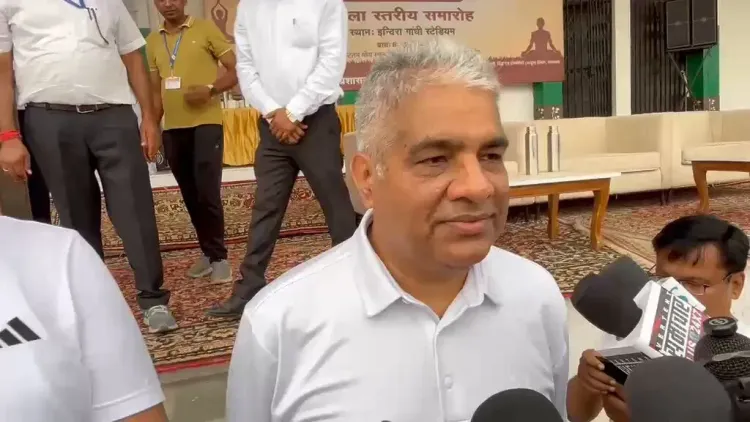
Union Environment Minister Bhupender Yadav on Sunday, 21 June 2026, called on citizens to move beyond treating yoga as a once-a-year observance, urging them to make it a 365-day practice starting from International Yoga Day. The appeal, posted on his official X account, coincided with the global observance of International Yoga Day and carried the hashtags #InternationalYogaDay and #YogaForHealthyAgeing.
In his post, Yadav wrote — translated from Hindi — 'Do not practise yoga only one day a year; from 21 June, make it your programme for all 365 days of the year.' The message was accompanied by a video, reinforcing the call to action with visual content aimed at a broad public audience.
Context
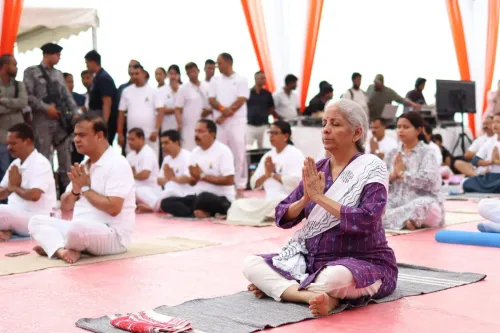
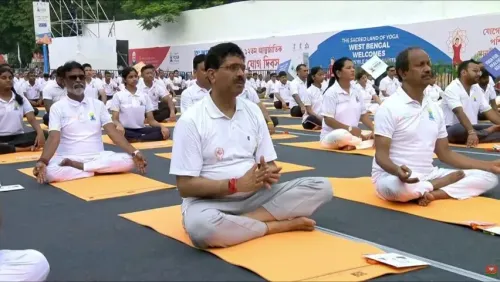
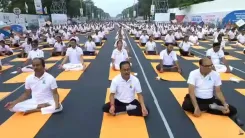
International Yoga Day is observed every year on 21 June, a date enshrined by the United Nations General Assembly following a proposal by Prime Minister Narendra Modi in 2014. The day has since grown into one of the largest coordinated public-health observances in the world, with mass yoga sessions held across India and in dozens of countries. The 2026 theme, reflected in Yadav's hashtag, is Yoga for Healthy Ageing — signalling a focus on the demographic challenges posed by India's growing elderly population.
Policy Backdrop
India's push for daily yoga is anchored institutionally in the Ministry of AYUSH (Ayurveda, Yoga, Unani, Siddha and Homoeopathy), which has run nationwide initiatives including the Common Yoga Protocol and the Yoga Certification Board since 2014. These programmes are designed to shift yoga from a ceremonial annual event into a routine preventive-health habit embedded in school curricula and workplace wellness frameworks. Successive governments have expanded AYUSH infrastructure and budgetary allocations to support this long-term mainstreaming effort.
Yadav's post is a clear example of cross-ministry amplification: as Environment Minister, he is not the nodal authority on public health or yoga policy, yet his message aligns squarely with the government's broader preventive-health communication strategy. Senior leaders across portfolios have routinely participated in International Yoga Day events and online campaigns, projecting unity of purpose on the initiative.
Stakeholders and Impact
The Yoga for Healthy Ageing theme directly addresses elderly citizens, public-health advocates, and caregivers — groups for whom consistent physical and mental practice carries measurable benefits. India's demographic trajectory, with a rapidly expanding population above 60 years, makes preventive health messaging increasingly urgent from a fiscal and social-welfare standpoint. Yoga, being low-cost and infrastructure-light, is positioned by policymakers as an accessible intervention at scale.
For the wider public, the minister's call to sustain practice beyond a single day echoes a recurring critique among health professionals: that mass yoga events generate enthusiasm that dissipates within days. By framing 21 June as a starting point rather than an annual destination, the message attempts to address that gap directly.
What's Next
Policy watchers will track whether the Yoga for Healthy Ageing theme translates into concrete announcements — such as enhanced AYUSH budget allocations in Parliament or references to daily yoga in the next iteration of the National Health Policy. The government's ability to convert high-visibility observances into measurable behavioural change will remain a key metric for public-health analysts assessing the long-term impact of India's yoga diplomacy and domestic wellness agenda.
Point of View
Illustrating how the BJP uses its entire ministerial bench to project cohesion on flagship cultural-diplomatic initiatives. The 'Yoga for Healthy Ageing' theme is a deliberate pivot toward India's emerging demographic challenge, signalling that yoga policy is being repositioned from soft-power spectacle to a functional plank in the government's ageing-population strategy. The call to move from a single annual event to a daily habit also implicitly acknowledges a persistent implementation gap that has dogged International Yoga Day since its launch. Whether this messaging translates into policy instruments — budget lines, institutional mandates, or curriculum changes — will determine whether 2026 marks a substantive shift or another well-produced annual moment.
NationPress
21 Jun 2026
Frequently Asked Questions
What did Bhupender Yadav say on International Yoga Day 2026?
Union Environment Minister Bhupender Yadav urged Indians not to limit yoga to a single day and instead make it a daily practice for all 365 days of the year, starting from 21 June 2026.
What is the theme of International Yoga Day 2026?
The theme of International Yoga Day 2026 is 'Yoga for Healthy Ageing,' focusing on the benefits of consistent yoga practice for elderly citizens and an ageing population.
When was International Yoga Day established and by whom?
International Yoga Day was established on 21 June by the UN General Assembly in 2014, following a proposal by Prime Minister Narendra Modi.
Which ministry leads yoga promotion in India?
The Ministry of AYUSH (Ayurveda, Yoga, Unani, Siddha and Homoeopathy) leads yoga promotion in India through programmes such as the Common Yoga Protocol and the Yoga Certification Board.
Why is the government promoting daily yoga rather than just annual events?
Public health advocates and policymakers recognise that annual events generate short-lived enthusiasm; promoting daily practice is seen as essential to achieving measurable preventive-health benefits, particularly for India's growing elderly population.