CM Samrat Choudhary clears two RCC bridges on NH-333A in Jamui
Synopsis
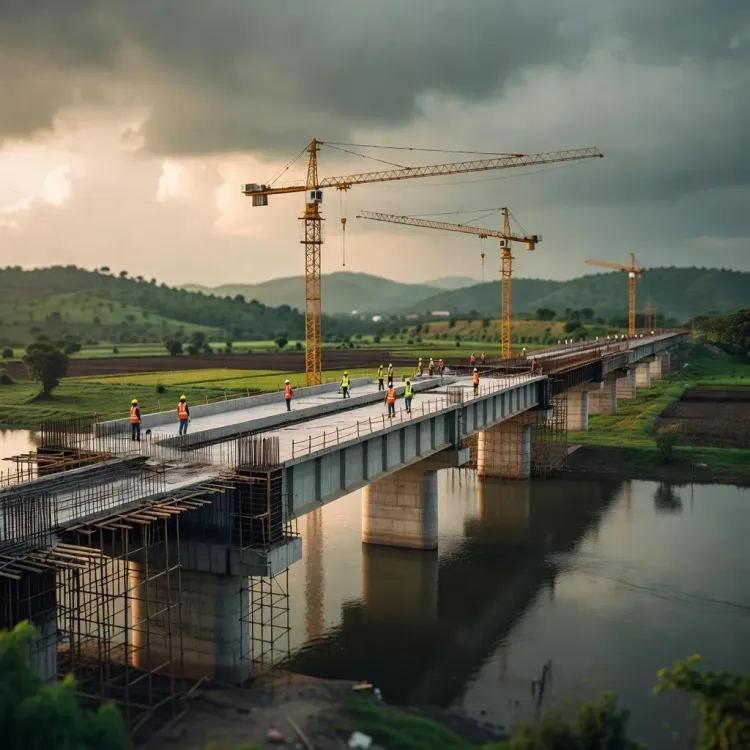
Bihar CM Samrat Choudhary has approved two high-level RCC bridges on NH-333A in Jamui district — one over the Kiul river at ₹93.82 crore and one over the Mangobandh-Suknar river at ₹55.96 crore — aimed at boosting rural connectivity, agriculture, and trade.
Key Takeaways
Bihar's Road Construction Department granted administrative approval for two RCC bridges on NH-333A in Jamui district on 29 July 2026 .
The first bridge spans the Kiul river at Nariana Ghat (72nd km, Khaira-Sono route) at a cost of ₹93.82 crore .
The second bridge crosses the Mangobandh-Suknar river (80th km) at a cost of ₹55.96 crore .
Combined project value is approximately ₹149.78 crore .
Projects aim to improve connectivity, ease agricultural logistics, and boost local trade in southern Bihar.
Next steps include tendering, potential land acquisition, and finalising construction timelines.
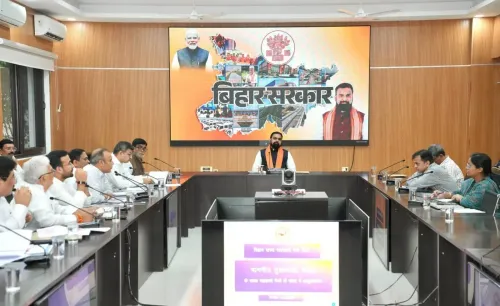
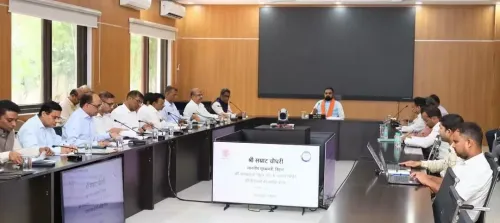
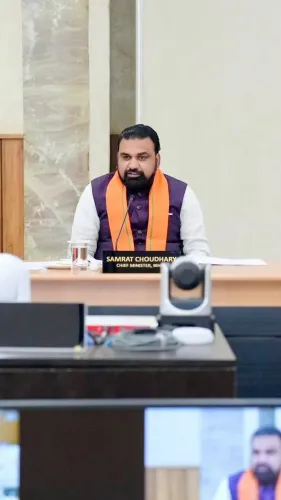
Two river crossings in one of Bihar's less-connected southern districts are about to change — and the price tag runs to nearly ₹150 crore. Bihar Chief Minister Samrat Choudhary announced on Wednesday, 29 July 2026 that the state's Road Construction Department has granted administrative approval for two high-level RCC bridge projects on NH-333A in Jamui district, unlocking road access across the Kiul and Mangobandh-Suknar rivers.
Two bridges, two rivers, one highway corridor
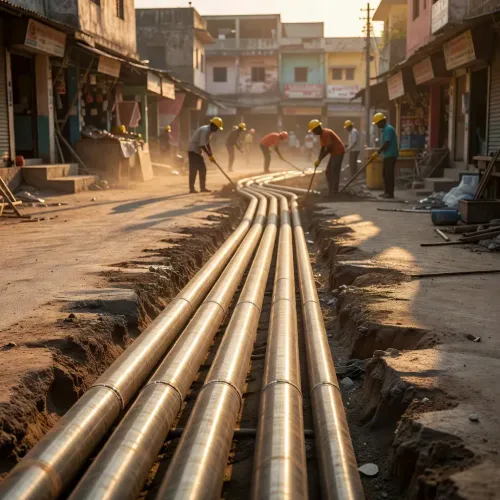
The first project places a new bridge at the 72nd kilometre of the Khaira-Sono route, spanning the Nariana Ghat crossing over the Kiul river, at an approved cost of ₹93.82 crore. The second, at the 80th kilometre of the same corridor, will bridge the Mangobandh-Suknar river for ₹55.96 crore. Together, they fill two long-standing structural gaps on a national highway that threads through terrain historically underserved by all-weather infrastructure.
What the approvals mean for Jamui's farmers and traders
Jamui sits in southern Bihar's hilly, forested belt — a region where seasonal flooding can cut off villages for weeks. Reliable river crossings on a national highway corridor directly translate into year-round market access for farmers and reduced logistics friction for small traders. CM Choudhary framed the approvals in exactly those terms, stating that the projects will improve regional connectivity, ease movement, and give 'new momentum to local trade, agriculture, and economic activity.'
The broader pattern here is deliberate: successive Bihar governments have pushed cabinet-level approvals for bridge and highway upgrades in districts that lag on connectivity metrics, and Jamui has repeatedly featured in that pipeline. High-level RCC construction — reinforced cement concrete — signals durability designed to outlast monsoon stress, not a temporary fix.
Next steps: tendering, land, and timelines
Administrative approval is the starting gun, not the finish line. The Road Construction Department will now move to tendering, and any land acquisition requirements along the two alignments will determine how quickly ground is broken. Progress on both bridges will be worth watching as indicators of whether the state's infrastructure push translates from cabinet file to construction site at pace.
For a district like Jamui, two bridges on a national highway are not routine line items — they are the kind of structural investment that reshapes daily life for the communities on either bank.
Point of View
Announcing highway bridge projects in southern Bihar serves a dual purpose: addressing a genuine infrastructure deficit while reinforcing the party's development narrative ahead of future electoral cycles. The focus on NH-333A — a national highway corridor — also reflects the state's effort to leverage central road infrastructure as an anchor for district-level last-mile connectivity. Whether the pace of tendering and execution matches the pace of announcements will be the real test of this commitment.
NationPress
13 Sept 2026
Frequently Asked Questions
Which two bridges have been approved on NH-333A in Jamui?
The Bihar government has approved a bridge over the Kiul river at Nariana Ghat (72nd km of Khaira-Sono route) for ₹93.82 crore, and a bridge over the Mangobandh-Suknar river (80th km) for ₹55.96 crore.
What is the total cost of the two NH-333A bridge projects in Jamui?
The combined approved cost of both bridges is approximately ₹149.78 crore.
Which department is executing the Jamui bridge projects?
Bihar's Road Construction Department has been granted administrative approval and will oversee tendering and execution of both projects.
How will the new bridges benefit Jamui district?
The bridges are expected to improve year-round connectivity on NH-333A, making it easier for farmers to access markets and for traders to move goods, especially during the monsoon season when river crossings can become impassable.
What is NH-333A and where does it pass?
NH-333A is a national highway passing through Jamui district in southern Bihar, connecting parts of the state including the Khaira-Sono corridor.