Bihar CM Orders Fast-Track of Vishnupad, Mahabodhi Corridors
Synopsis
Bihar CM Nitish Kumar has ordered swift implementation of corridor projects at the Vishnupad Temple in Gaya and the Mahabodhi Temple in Bodh Gaya, and directed the BSTDC to launch end-to-end tourist packages from Patna covering the full journey for pilgrims and visitors.
Key Takeaways
Chief Minister Nitish Kumar directed the Bihar State Tourism Development Corporation to launch end-to-end tourist services from Patna covering departure, destination, and return.
The CM ordered that implementation of the Vishnupad Temple Corridor in Gaya and the Mahabodhi Temple Corridor in Bodh Gaya begin at the earliest.
The Mahabodhi Temple Complex is a UNESCO World Heritage Site and a key destination for international Buddhist pilgrims.
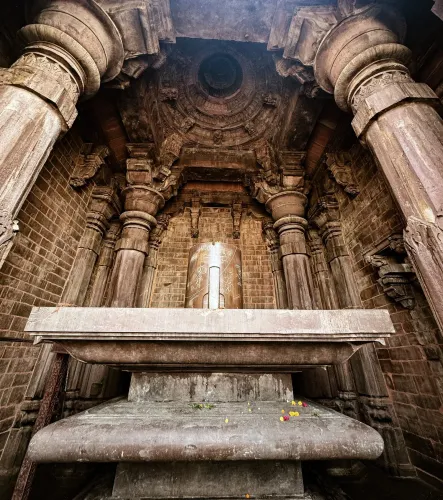
The Vishnupad Temple is a major Hindu pilgrimage site central to the pinda daan ritual.
The end-to-end package model is intended to formalise and simplify travel for both domestic and international visitors to Bihar's religious sites.
No specific funding amounts or construction timelines were disclosed in the official announcement.
The Chief Minister's Office of Bihar announced on Sunday, 14 June 2026 that the state government has directed swift implementation of corridor projects at the Vishnupad Temple in Gaya and the Mahabodhi Temple in Bodh Gaya, while also committing to a new end-to-end tourist service package operated by the Bihar State Tourism Development Corporation (BSTDC).
What Was Announced
According to the official post, Chief Minister Nitish Kumar stated that the BSTDC will launch a comprehensive 'end-to-end' service for tourists — covering departure from Patna, onward travel to the destination, and the return journey. The Hindi phrase used was prasthaan se lekar gantavya aur vaapasi tak (from departure to destination and back), underscoring that the package is designed to eliminate logistical gaps for visitors arriving in the state.
Separately, the Chief Minister directed that the process of implementing the Vishnupad Temple Corridor and the Mahabodhi Temple Corridor projects be commenced 'at the earliest.' No specific funding figures or construction timelines were cited in the official communication.
Context
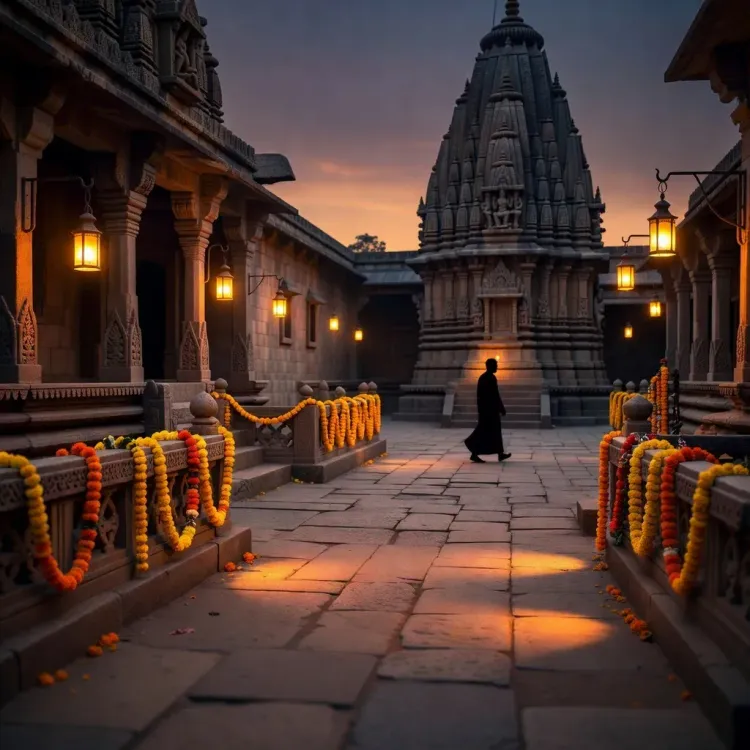
The Vishnupad Temple in Gaya is one of Hinduism's most revered shrines, central to the pinda daan ritual performed by Hindus for the salvation of ancestors. The Mahabodhi Temple Complex in Bodh Gaya, a UNESCO World Heritage Site, marks the spot where the Buddha attained enlightenment and draws hundreds of thousands of Buddhist pilgrims from across the world each year. Together, the two sites represent Bihar's most significant religious tourism assets.
Corridor-style redevelopment — combining improved access roads, pilgrim amenities, crowd management infrastructure, and commercial precincts — has been adopted at major temple towns across India in recent years. Bihar's push mirrors that broader national pattern, seeking to channel increased pilgrim footfall into structured, state-managed tourism ecosystems.
Policy Backdrop
Bihar has been actively working to position itself as a premier religious and heritage tourism destination, leveraging its dual identity as a hub for both Hindu pilgrimage and Buddhist heritage circuits. The BSTDC is the state's nodal agency for tourism promotion, infrastructure development, and packaged visitor services.
An integrated transport-and-hospitality package originating from Patna is designed to reduce friction for out-of-state and international pilgrims who currently depend on fragmented private operators. By anchoring the service at the state capital, the government aims to make Patna the formal gateway to Bihar's religious circuit.
Stakeholders and Impact
The primary beneficiaries of the end-to-end service would be domestic pilgrims, international Buddhist tourists, and heritage travellers who visit Gaya and Bodh Gaya annually. Local tourism operators, hoteliers, and transport providers stand to be drawn into a formalised state-led value chain.
For the corridor projects specifically, implementation would affect the immediate precincts around both temples, with implications for local vendors, priests, and residents in Gaya and Bodh Gaya.
What's Next
The government's directive to begin implementation 'at the earliest' signals that tendering and project scoping for both corridor developments are expected to move forward in the near term, though specific deadlines were not disclosed. Observers will watch for formal tender notices and the BSTDC's operational rollout of its Patna-based tourist packages as the key milestones to track.
If executed, the twin corridors combined with structured end-to-end services could significantly raise Bihar's profile on India's religious tourism map — and test the state's capacity to deliver large-scale heritage infrastructure on schedule.
Point of View
One Buddhist — reflects a deliberate political calculus by the Nitish Kumar government to consolidate support across distinct pilgrim communities while tapping into India's fast-growing religious tourism economy. Corridor projects have become a signature infrastructure genre in Indian state politics, offering visible, photogenic outcomes ahead of electoral cycles. Bihar's move to anchor the tourist package at Patna also signals an ambition to position the capital as more than an administrative hub. The real test will be execution speed and quality, given that corridor projects in other states have frequently faced delays in land acquisition and contractor mobilisation.
NationPress
13 Sept 2026
Frequently Asked Questions
What is the Vishnupad Temple Corridor project in Bihar?
The Vishnupad Temple Corridor is a planned infrastructure redevelopment project around the Vishnupad Temple in Gaya , aimed at improving pilgrim access, amenities, and the overall visitor experience at one of Hinduism's most important shrines. The Bihar government has directed that implementation begin at the earliest, though specific scope and funding details have not been publicly disclosed.
What is the Mahabodhi Temple Corridor project?
The Mahabodhi Temple Corridor is a proposed development around the UNESCO World Heritage -listed Mahabodhi Temple Complex in Bodh Gaya , which marks the site of the Buddha's enlightenment. The Bihar government has ordered fast-track implementation of the project alongside the Vishnupad corridor.
What is the Bihar State Tourism Development Corporation end-to-end tourist package?
The Bihar State Tourism Development Corporation (BSTDC) has been directed to launch a comprehensive travel package for tourists that covers departure from Patna , travel to religious or heritage destinations, and the return journey — eliminating the need for visitors to arrange transport and logistics independently.
Who directed the Vishnupad and Mahabodhi corridor projects in Bihar?
Chief Minister Nitish Kumar directed that the implementation process for both the Vishnupad Temple Corridor and the Mahabodhi Temple Corridor be commenced at the earliest, as announced by the Chief Minister's Office of Bihar on 14 June 2026 .
Why is Bihar developing religious tourism corridors?
Bihar is developing corridor projects at major temple towns to increase pilgrim footfall, improve visitor experience, and grow tourism revenue. The state holds two of India's most significant religious sites — the Vishnupad Temple in Gaya for Hindu pilgrims and the Mahabodhi Temple in Bodh Gaya for Buddhist visitors — and is seeking to formalise infrastructure around both.