Bihar CM Launches Anti-Addiction WhatsApp Chatbot and Helpline
Synopsis
Bihar CM Nitish Kumar launched a WhatsApp chatbot and dedicated helpline for de-addiction on 27 October 2026, flagged off public-awareness vehicles, and administered a public oath against drug use — extending the state's decade-long prohibition drive into the digital era.
Key Takeaways
Bihar CM Nitish Kumar launched a WhatsApp chatbot and helpline for de-addiction support on 27 October 2026 .
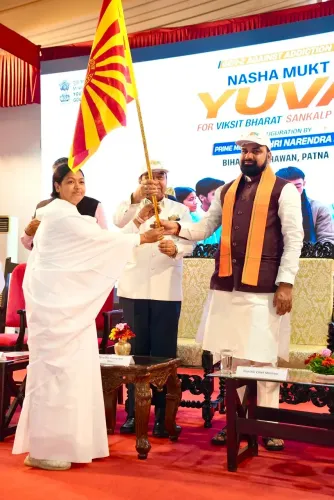
The CM flagged off public-awareness vehicles to carry the anti-drug message across Bihar's districts.
Citizens were administered a public oath to avoid drug use, spread awareness, and report illegal narcotics trade.
The initiative extends Bihar's Prohibition Act of 2016 , which banned alcohol manufacture, sale, and consumption statewide.
The digital tools target stigma-free access to de-addiction resources via a platform — WhatsApp — already widely used across the state.
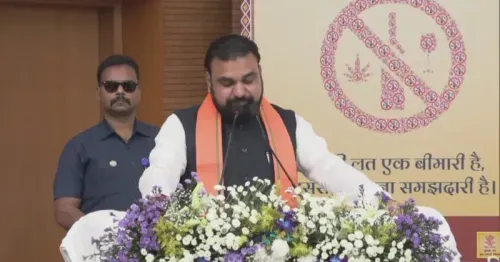
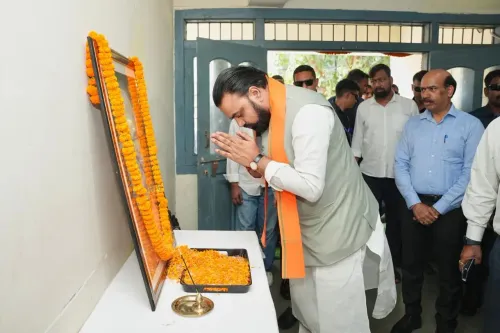
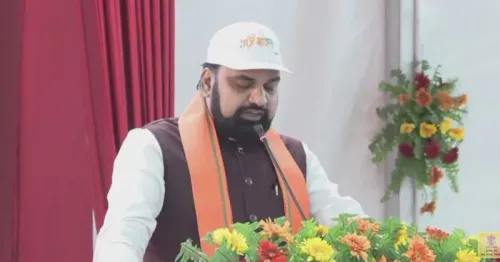
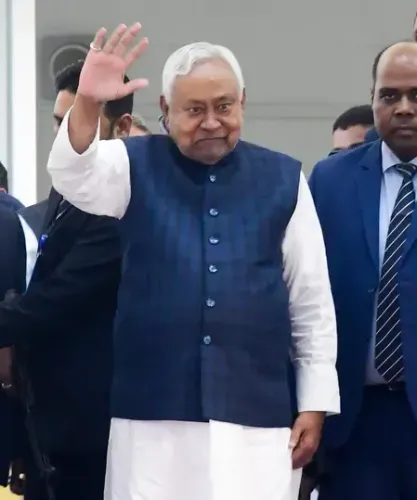
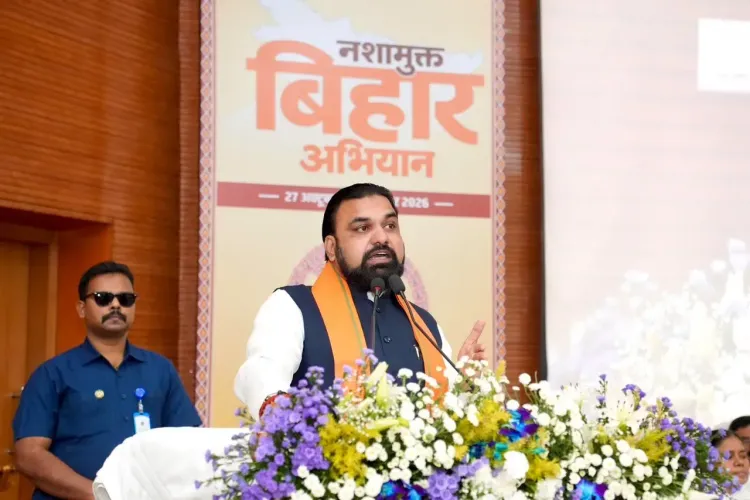
Bihar's fight against substance abuse gained a digital edge on Tuesday, 27 October 2026, when Chief Minister Nitish Kumar launched a WhatsApp chatbot and helpline dedicated to de-addiction — then personally flagged off public-awareness vehicles to carry the message into the state's districts. The Chief Minister's Office of Bihar announced the initiative, adding that the CM also administered a public oath against drug use, pledging to neither consume narcotics nor allow illegal trade to go unchallenged.
A Chatbot, a Helpline, and a Pledge on the Same Day
The twin digital tools — a WhatsApp chatbot and a dedicated helpline number — are designed to give residents of Bihar an accessible, stigma-free channel to seek de-addiction support, report illegal substance trade, and access awareness material. Launching both on the same day as the vehicle flagoff signals a deliberate blend of online and on-ground outreach. The public oath administered by Nitish Kumar added a civic-contract dimension: citizens pledged not to use drugs, to spread awareness, and to actively resist illegal narcotics commerce.
Nitish Kumar's Decade-Long Prohibition Arc
Nitish Kumar has anchored much of his political identity around social reform. Bihar's landmark Prohibition Act of 2016 banned the manufacture, sale, and consumption of alcohol across the state — one of the most sweeping such bans in modern Indian state governance. Today's launch extends that legal scaffolding with technology, plugging a gap that enforcement alone cannot fill: early intervention for users, anonymous reporting, and real-time awareness. The awareness vehicles dispatched from the event will fan out across Bihar's districts, translating the digital initiative into face-to-face community outreach.
Why the Digital Layer Matters Now
Prohibition laws deter supply; chatbots and helplines address demand by reaching people at the moment they consider seeking help — quietly, on a phone they already carry. For a state like Bihar, where smartphone penetration has grown sharply over the past decade, routing de-addiction support through WhatsApp removes the friction of visiting a government office or a clinic. The combination of a chatbot for information, a helpline for personal support, and mobile outreach vehicles for last-mile reach is a layered strategy that acknowledges no single intervention cures addiction. What happens next — usage volumes, district-level uptake, and whether dedicated de-addiction centres receive matching budget support — will determine whether the initiative moves the needle or remains a launch-day headline.
Point of View
And that Bihar's growing smartphone user base is now a viable policy delivery channel. The public-oath component adds a moral-community dimension that has been a recurring motif in Kumar's political communication since the alcohol prohibition campaign. Whether the chatbot generates sustained usage or fades into low-traffic obscurity will be the real test — and one the government would be wise to report on publicly.
NationPress
28 Oct 2026
Frequently Asked Questions
What did Bihar CM Nitish Kumar launch for de-addiction?
On 27 October 2026, CM Nitish Kumar launched a WhatsApp chatbot and a helpline for de-addiction support, enabling Bihar residents to seek help, access awareness content, and report illegal drug trade.
What is Bihar's stance on alcohol and drug prohibition?
Bihar enacted a total prohibition on alcohol manufacture, sale, and consumption under the Bihar Prohibition Act 2016 — one of the strictest such bans among Indian states. The 2026 digital initiative extends this policy to address substance abuse more broadly.
How does the Bihar anti-addiction WhatsApp chatbot work?
The chatbot is designed to provide accessible, stigma-free de-addiction information and support via WhatsApp, allowing users to seek help discreetly on a widely used platform without visiting a government office.
What oath did Nitish Kumar administer at the event?
CM Nitish Kumar administered a public oath in which participants pledged not to consume narcotics, to spread awareness about the harms of substance abuse, and to actively resist illegal drug trade.
What are the awareness vehicles flagged off by Bihar CM?
Public-awareness vehicles were dispatched from the event to travel across Bihar's districts, providing on-ground outreach and education about de-addiction alongside the digital chatbot and helpline.