Bihar CM Samrat Choudhary Launches Heli & Air Tourism Scheme 2026
Synopsis
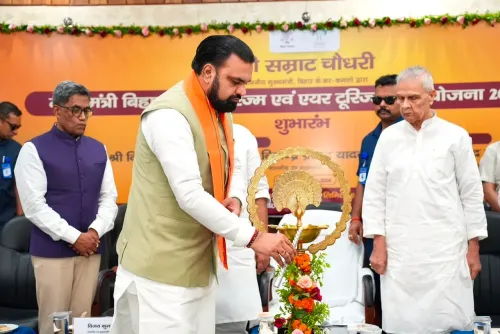
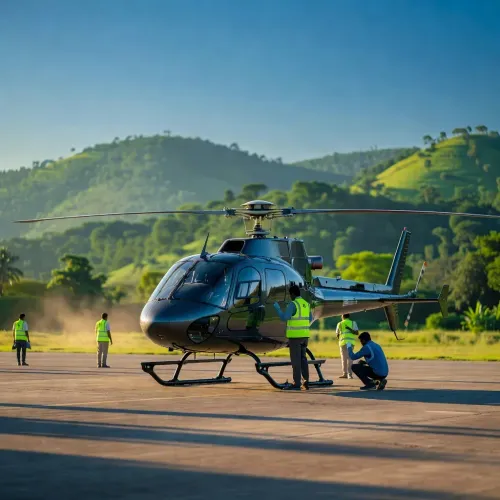
Bihar Chief Minister Samrat Choudhary on 13 July 2026 launched the Mukhyamantri Bihar Heli Tourism evam Air Tourism Seva Yojana-2026, a state scheme to provide helicopter and small-aircraft services connecting tourists to the state's Buddhist, Jain, and Hindu heritage sites.
Key Takeaways
Bihar CM Samrat Choudhary launched the Mukhyamantri Bihar Heli Tourism evam Air Tourism Seva Yojana-2026 on 13 July 2026 .
The scheme aims to provide helicopter and air services to Bihar's heritage and pilgrimage destinations including Bodh Gaya , Rajgir , and Nalanda .
The initiative aligns with the central government's UDAN regional connectivity framework launched in 2016 .
Key stakeholders include tourists, local businesses, and aviation operators who will partner in implementation.
Next steps include helipad construction, air-route finalisation, and expected budget disclosures in the next Bihar Legislative Assembly session.
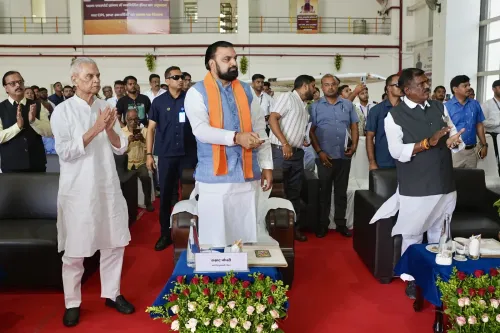
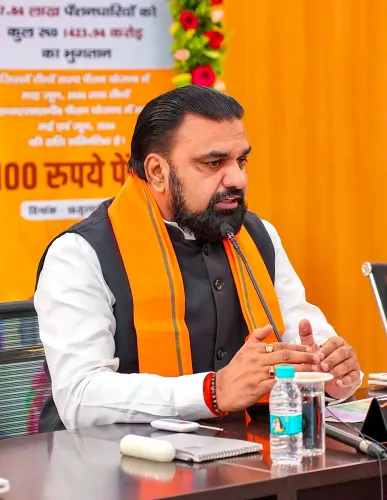
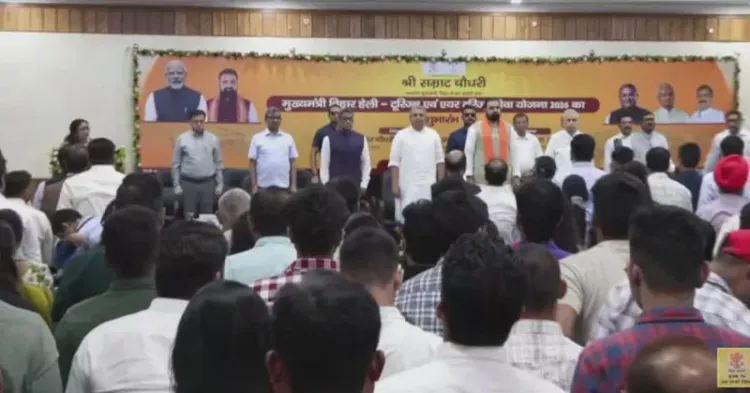
Bihar Chief Minister Samrat Choudhary on Monday, 13 July 2026, formally launched the Mukhyamantri Bihar Heli Tourism evam Air Tourism Seva Yojana-2026, a state scheme aimed at expanding aerial connectivity to the state's heritage and pilgrimage destinations. The announcement was made live on social media, marking a significant step in Bihar's push to modernise its tourism infrastructure.
Context
Choudhary shared the launch on X (formerly Twitter), writing 'Mukhyamantri Bihar Heli Tourism evam Air Tourism Seva Yojana-2026 ka shubhaarambh' — the inauguration of the Chief Minister's Bihar Heli Tourism and Air Tourism Service Scheme-2026. The live broadcast underscored the government's intent to give the launch wide public visibility from the outset.
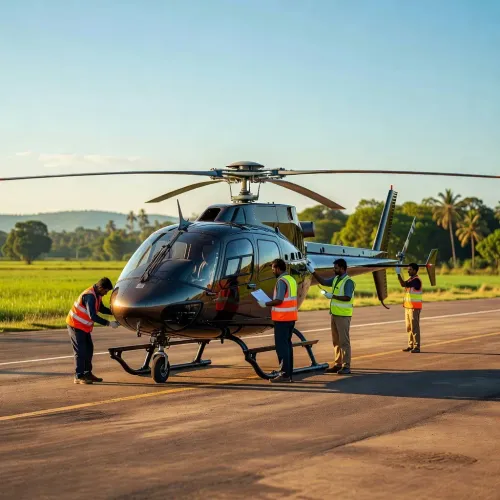
Bihar is home to a dense network of Buddhist, Jain, and Hindu heritage sites — including Bodh Gaya, Rajgir, Nalanda, and Vaishali — that draw domestic and international visitors but have historically suffered from limited last-mile connectivity. The new scheme is designed to address precisely that gap through helicopter and small-aircraft services.
Policy Backdrop
The scheme sits within a broader national framework of civil aviation liberalisation. The central government's UDAN (Ude Desh ka Aam Naagrik) regional connectivity scheme, launched in 2016, opened helicopter and fixed-wing routes across multiple states for tourism and remote-area access, providing a policy and financial template that state governments have since adapted.
Several Indian states — including Uttarakhand, Himachal Pradesh, and Jammu and Kashmir — have introduced heli-tourism services to improve access to pilgrimage circuits and hill destinations while generating revenue for rural economies. Bihar's 2026 scheme follows this established pattern, applying it to the state's flat-terrain heritage belt rather than mountain terrain.
Stakeholders and Impact
The primary beneficiaries are domestic and foreign tourists seeking faster, more comfortable access to Bihar's circuit of heritage sites. Local businesses — hotels, guides, and handicraft vendors — stand to gain from increased visitor footfall, particularly at sites that currently require long road journeys from the nearest railhead or airport.
Aviation operators, including helicopter charter companies, are expected to be key implementation partners. The scheme is also likely to generate employment in ground-handling, helipad maintenance, and ancillary hospitality services at destination nodes across the state.
What's Next
Attention will now turn to the operational rollout: the identification and construction of helipads at key heritage nodes, the finalisation of air routes, and integration with existing UDAN-linked airports in Bihar. Any state budget allocations for the scheme are expected to be detailed in the next session of the Bihar Legislative Assembly.
If implemented on schedule, the scheme could position Bihar as a model for plains-state heli-tourism in eastern India, with implications for how other heritage-rich but infrastructure-constrained states approach aerial connectivity.
Point of View
Choudhary places political ownership squarely on the BJP-led state government ahead of future electoral cycles. The timing also fits a national pattern where BJP-governed states are competing to show tourism-led growth as a development dividend. The real test will be execution: helipad clearances, operator viability, and ticket pricing that makes the service accessible beyond premium travellers.
NationPress
12 Oct 2026
Frequently Asked Questions
What is the Mukhyamantri Bihar Heli Tourism evam Air Tourism Seva Yojana-2026?
It is a state government scheme launched by Bihar Chief Minister Samrat Choudhary on 13 July 2026 to provide helicopter and small-aircraft connectivity to Bihar's heritage and pilgrimage destinations such as Bodh Gaya, Rajgir, and Nalanda.
Who launched the Bihar heli tourism scheme?
Bihar Chief Minister and senior BJP leader Samrat Choudhary launched the scheme on 13 July 2026.
How does Bihar's heli tourism scheme relate to UDAN?
Bihar's scheme builds on the framework of the central government's UDAN regional connectivity programme launched in 2016, which opened helicopter and fixed-wing routes across Indian states for tourism and remote-area access.
Which heritage sites in Bihar will benefit from the heli tourism scheme?
Sites such as Bodh Gaya, Rajgir, Nalanda, and Vaishali — key nodes on Bihar's Buddhist, Jain, and Hindu heritage circuits — are expected to benefit from improved aerial connectivity under the scheme.
What are the next steps after the launch of Bihar's air tourism scheme?
The government is expected to announce helipad locations, finalise air routes, integrate with existing UDAN airports, and detail budget allocations in the next Bihar Legislative Assembly session.