Bihar CM Nitish Flags Tech-Led Road Upkeep in OPRMC Phase-3
Synopsis
Bihar CM Nitish Kumar announced OPRMC Phase-3 will harness modern technology to make road monitoring and maintenance more effective, marking a strategic shift from construction-led to upkeep-led infrastructure governance in the state.
Key Takeaways
OPRMC Phase-3 will use modern technology to strengthen road monitoring and maintenance in Bihar .
Chief Minister Nitish Kumar made the announcement on 26 September 2026 .
The programme prioritises road upkeep alongside better construction quality.
Bihar has deployed performance-based road maintenance contracts since the 2010s to address post-construction deterioration.
The move aligns with a broader Indian state-level trend toward technology-enabled, performance-linked road contracts.
Tendering timelines and technology deployment details for Phase-3 are yet to be made public.
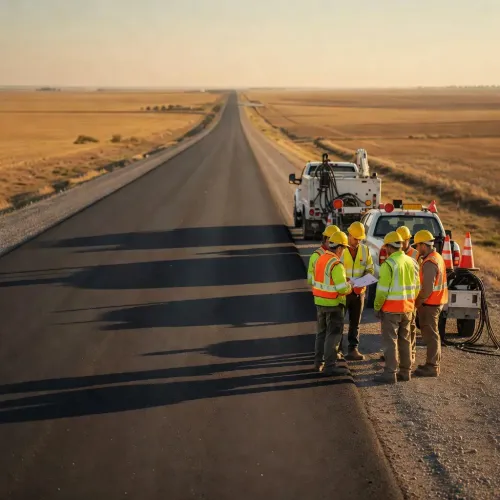
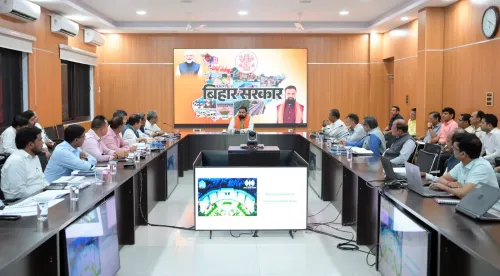
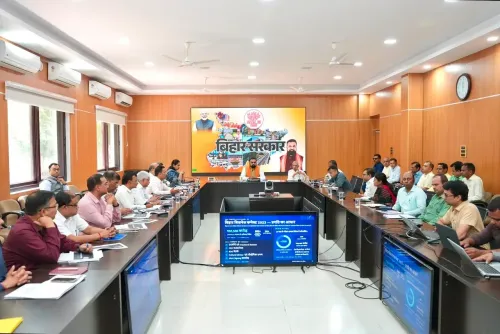
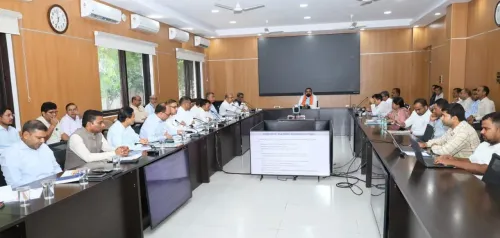
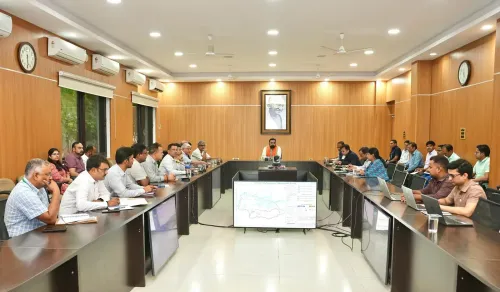
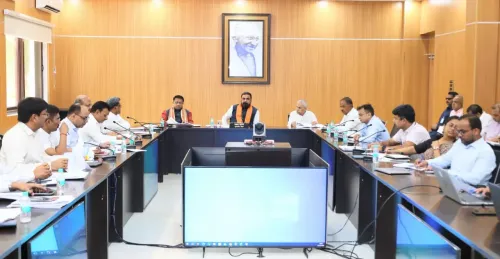
Bihar is done just building roads — now it wants to keep them alive. Chief Minister Nitish Kumar announced on Saturday, 26 September 2026 that the state's OPRMC Phase-3 programme will deploy modern technology to sharpen road monitoring and maintenance, signalling a clear pivot from construction-first thinking to a sustained upkeep model.
The Chief Minister's Office shared the announcement on X, quoting the CM directly: 'ओ०पी०आर०एम०सी० फेज-3 में आधुनिक तकनीक के माध्यम से सड़कों की निगरानी और अनुरक्षण व्यवस्था को अधिक प्रभावी बनाया जाएगा' — 'In OPRMC Phase-3, road monitoring and maintenance will be made more effective through modern technology.' Better road construction, the CM added, will go hand-in-hand with making upkeep a firm priority.
What OPRMC Phase-3 Signals for Bihar's Roads
OPRMC — the Output and Performance-based Road Maintenance Contract model — is Bihar's mechanism for tying contractor payments to measurable road condition outcomes rather than mere construction milestones. The third phase marks an evolution: where earlier rounds focused on formalising maintenance contracts for freshly built roads, Phase-3 explicitly brings in technology-driven monitoring to catch deterioration faster and enforce accountability in real time.
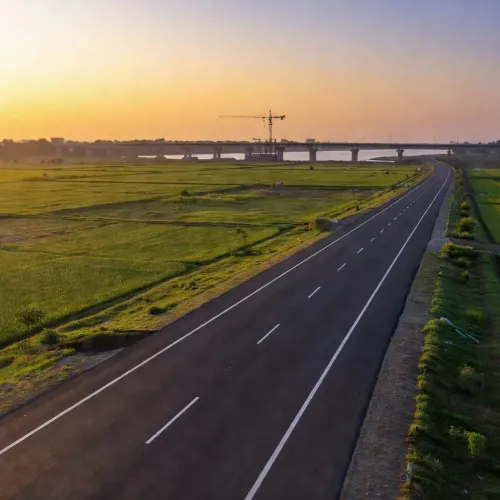
Bihar expanded this framework through the 2010s, reacting to a pattern familiar across Indian states — highways and rural roads built at scale, then left to decay within a few monsoon seasons. The shift toward performance-linked contracts was a direct response to that cycle, and Phase-3 signals the government's intent to close remaining gaps with smarter tools.
From Bihar's Construction Decade to the Maintenance Era
Nitish Kumar has governed Bihar since 2005, and road connectivity has been a centrepiece of his administration's identity. The state invested heavily in rural and inter-district road networks across two decades, improving access in some of India's most geographically fragmented terrain. That construction push, however, created a large maintenance liability — thousands of kilometres of roads requiring sustained attention to remain serviceable.
Phase-3's emphasis on monitoring technology — whether through digital sensors, satellite-based assessment, or condition-tracking apps — fits a broader national trend in which state governments are moving toward data-backed, performance-linked infrastructure contracts. Rural commuters and road contractors are the most immediate stakeholders: the former stand to gain more reliably maintained roads, while the latter will face tighter performance benchmarks tied to technology-verified outcomes.
What matters next is speed of execution — the tendering process and the deployment timeline for Phase-3's technology systems will determine whether this announcement translates into durably better roads before Bihar's next state budget cycle shapes fresh priorities.
Point of View
And voters increasingly notice crumbling roads more than ribbon-cutting ceremonies. For Nitish Kumar, doubling down on maintenance technology is also a political hedge: it redirects accountability toward measurable outcomes rather than opaque contractor timelines. The broader significance lies in the precedent — if Bihar's technology-monitoring model delivers verifiable results, it could pressure other states to move faster on performance-linked upkeep frameworks. The real test will come at the tendering stage, where implementation specifics will reveal whether Phase-3 is a genuine systemic upgrade or a rebranded continuation of existing contracts.
NationPress
26 Sept 2026
Frequently Asked Questions
What is OPRMC Phase-3 in Bihar?
OPRMC Phase-3 is the third phase of Bihar's Output and Performance-based Road Maintenance Contract programme, which ties contractor payments to road condition outcomes. The latest phase will add modern technology for real-time road monitoring and maintenance.
What did Nitish Kumar say about OPRMC Phase-3?
Chief Minister Nitish Kumar said that modern technology will be used in OPRMC Phase-3 to make road monitoring and maintenance more effective, and that upkeep will be given equal priority alongside road construction.
When was the OPRMC Phase-3 announcement made?
The announcement was made on Saturday, 26 September 2026 , shared via the official Chief Minister's Office account on X.
How has Bihar approached road maintenance in the past?
Bihar expanded performance-based road maintenance contracts from the 2010s onward to address deterioration of roads built during large-scale connectivity drives. OPRMC Phase-3 builds on this framework by adding technology-driven monitoring.
Who benefits from Bihar's OPRMC Phase-3 road programme?
Rural commuters stand to benefit from more reliably maintained roads, while road contractors will be held to tighter, technology-verified performance standards under the new phase.