Bihar CM Office Calls for Daily Environmental Commitment on Earth Day
Synopsis
On Bihar Earth Day, 9 August 2026, the Chief Minister's Office called on citizens to treat tree plantation and water conservation as daily practice, not a single-day resolve — reinforcing the state's ongoing Jal Jeevan Hariyali Abhiyan.
Key Takeaways
The Chief Minister's Office of Bihar posted an Earth Day appeal on 9 August 2026 urging daily environmental commitment.
The post called for continuous efforts in tree plantation , water conservation , and maintaining a clean environment.
Bihar faces twin environmental pressures: recurrent floods in the north and groundwater depletion in the south.
The appeal aligns with the Jal Jeevan Hariyali Abhiyan , launched in 2019 to link afforestation with water-body rejuvenation across all districts.
District-level plantation and water-conservation reports in coming weeks will indicate whether the pledge translates into measurable action.
Every year, Earth Day arrives with resolutions — and every year, the harder question is whether those resolutions outlast the date on the calendar. On Sunday, 9 August 2026, the Chief Minister's Office of Bihar issued a pointed call to action, urging citizens to make environmental protection not a single-day pledge but a living, daily habit.
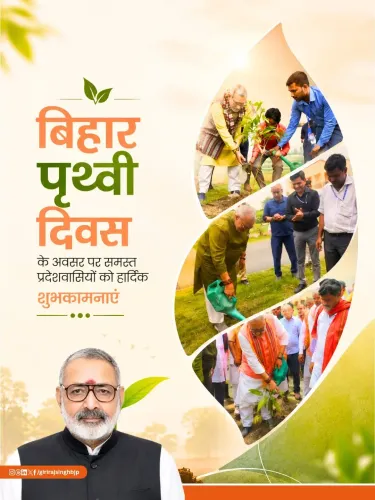
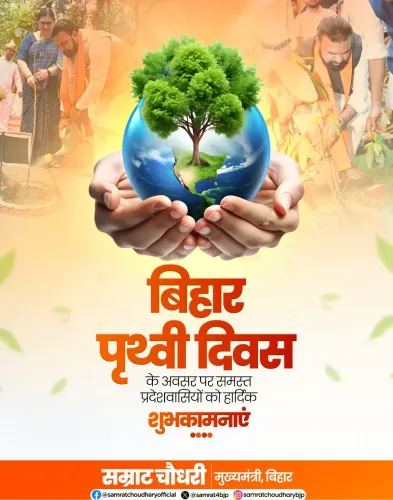
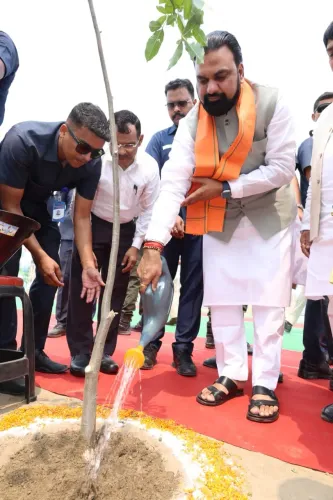
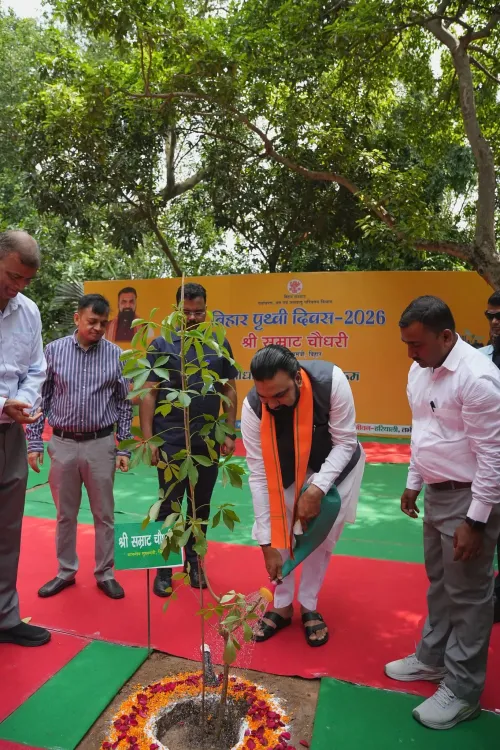
The post, shared on the occasion of Bihar Prithvi Divas (Bihar Earth Day), carried a direct appeal: 'Prakriti evam paryavaran ki raksha kewal ek din ka sankalp nahin, balki hamare dainik jeevan ka abhinn hissa banna chahiye' — 'Protection of nature and the environment must not remain a one-day resolve, but must become an inseparable part of our daily lives.' The office called on all citizens to commit to tree plantation, water conservation, and efforts toward a clean environment on a continuous basis.
Bihar's Environmental Challenges Behind the Appeal
Bihar is among India's most environmentally stressed states — caught between recurrent, devastating floods in its northern districts and chronic groundwater depletion in its southern plains. Tree cover loss and the degradation of traditional water bodies have compounded both problems over decades. The appeal for sustained, everyday environmental action is not rhetorical flourish; it reflects a genuine policy pressure the state faces year-round.
Jal Jeevan Hariyali: The Scheme Backing the Slogan
The messaging aligns with the Jal Jeevan Hariyali Abhiyan, the Bihar government's flagship programme launched in 2019 under Chief Minister Nitish Kumar. The scheme links afforestation drives with the rejuvenation of traditional ponds, wells, and water bodies across all districts of the state — an attempt to institutionalise exactly the kind of daily environmental stewardship the post is calling for. Bihar administrations have consistently used occasions like Earth Day to reinforce public awareness around this programme and its district-level plantation and water-conservation targets.
The pattern is deliberate: annual public appeals timed to environmental observances serve both as citizen outreach and as a signal that the government's own schemes remain active. Whether the resolve translates into measurable action — actual saplings planted, actual water bodies restored — will be visible in district-level progress reports in the weeks ahead.
The message from Patna is clear: Bihar Prithvi Divas is meant to be a starting gun, not a finish line.
Point of View
The Jal Jeevan Hariyali Abhiyan. The framing of environmental protection as a 'daily habit' rather than a ceremonial gesture reflects an awareness that one-day pledges rarely move behaviour. For Nitish Kumar's administration, which has built considerable political capital around the Jal Jeevan Hariyali brand since 2019, consistent public reinforcement is part of the programme's implementation strategy. The real test, as always, is whether district-level delivery matches the ambition of the messaging.
NationPress
24 Sept 2026
Frequently Asked Questions
What is Bihar Prithvi Divas?
Bihar Prithvi Divas is the state's observance of Earth Day, used by the Bihar government to promote environmental awareness campaigns including tree plantation and water conservation drives.
What is the Jal Jeevan Hariyali Abhiyan?
The Jal Jeevan Hariyali Abhiyan is a Bihar government scheme launched in 2019 that combines large-scale afforestation targets with the rejuvenation of traditional ponds, wells, and water bodies across all districts of the state.
What did the Bihar CM Office say on Earth Day 2026?
The office called on citizens to treat protection of nature and the environment not as a one-day resolve but as an inseparable part of daily life, specifically urging tree plantation, water conservation, and clean environment efforts.
Why is environmental conservation especially important for Bihar?
Bihar faces recurrent floods in its northern districts and groundwater depletion in its southern plains, making tree cover and water-body conservation critical to the state's long-term resilience.
Who is the Chief Minister of Bihar?
Nitish Kumar has served as Chief Minister of Bihar since 2005 across multiple terms and has been associated with the state's environmental and water conservation policy drives.