Nitish Kumar Calls for Collective Action on World Environment Day

Synopsis
Former Bihar Chief Minister Nitish Kumar marked World Environment Day on June 5, 2026, with a call for public awareness and collective action, saying small individual steps can form the basis of transformative environmental change. His message echoes Bihar's ongoing afforestation and water conservation programmes.
Key Takeaways
Former Bihar Chief Minister Nitish Kumar posted a World Environment Day message on June 5, 2026 .
He called for public awareness and participation as essential to securing a safe future for coming generations.
Kumar stressed that small individual environmental actions can collectively drive large-scale positive change.
Bihar's Jal Jeevan Hariyali Abhiyan , launched in 2019 , remains a flagship state-level environmental programme under his leadership.
The message aligns Bihar's environmental stance with India's Paris Agreement commitments on forest cover and sustainability.
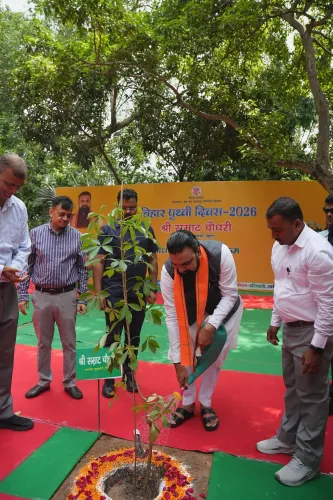
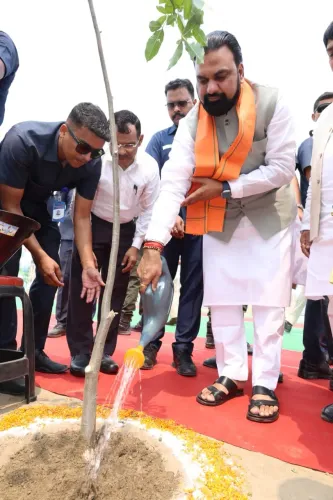
Former Bihar Chief Minister Nitish Kumar, the Janata Dal (United) national president, on Friday, June 5, 2026, extended greetings on World Environment Day and urged citizens to sustain collective efforts toward environmental protection, emphasising that even small individual actions can drive large-scale positive change.
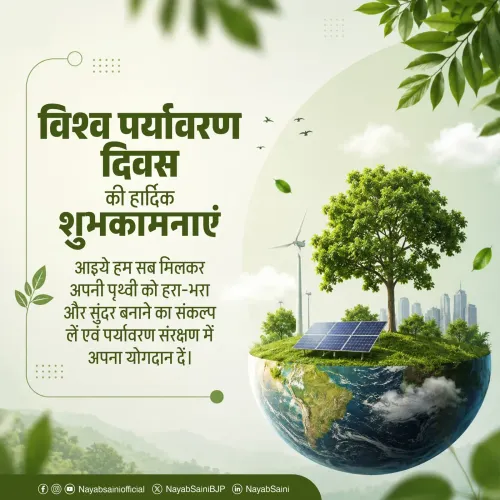
In his post on X, Kumar wrote: 'विश्व पर्यावरण दिवस के अवसर पर शुभकामनाएं' ['Greetings on the occasion of World Environment Day'], adding that 'only through awareness and public participation can we ensure a safe and prosperous future for coming generations.' He called on people to continue making 'positive efforts' in the direction of environmental conservation, noting that 'our small initiatives towards the environment can also become the foundation of a large positive change.'
Context
World Environment Day, observed every year on June 5, was established by the United Nations in 1972 to promote global awareness and action on environmental issues. It is among the largest international platforms for public outreach on ecology, climate, and sustainability. Indian political leaders across party lines routinely use the occasion to reaffirm environmental commitments and highlight state-level programmes.
Kumar's message underlines the dual themes the day carries in the Indian context: individual responsibility and institutional action. His call for 'janbhagidari' [public participation] reflects a governance philosophy he has long articulated in Bihar.
Policy Backdrop
Under Kumar's leadership, Bihar has run several environment-linked programmes alongside its infrastructure push. The most prominent of these is the Jal Jeevan Hariyali Abhiyan, launched in 2019, which aimed to expand tree cover and restore water bodies across the state. The initiative was framed as a response to both ecological degradation and the livelihood needs of rural communities.
Bihar's environmental drives fit into a wider national pattern where sub-national governments align local schemes with India's commitments under the Paris Agreement, including targets for increased forest cover and renewable energy capacity. Kumar has consistently paired economic development priorities with periodic environmental campaigns since returning as Chief Minister in 2005.
Stakeholders and Impact
The primary stakeholders of Bihar's environmental agenda are the state's residents, particularly rural communities dependent on agriculture, groundwater, and forest resources. Kumar's message on World Environment Day speaks directly to these groups, invoking 'coming generations' as the ultimate beneficiaries of sustained conservation work.
Civil society organisations and local self-government bodies in Bihar have been key implementers of afforestation and water conservation drives. Public messaging from senior leaders on occasions such as this reinforces awareness at the grassroots level and signals continued political will behind ongoing programmes.
What's Next
Observers will watch for state-level progress reports on Bihar's afforestation targets and any new budget provisions for green infrastructure in the state's upcoming fiscal planning cycle. Whether Kumar's World Environment Day message is followed by fresh policy announcements or scheme expansions will indicate the depth of the current political commitment to the environmental agenda.
As India moves toward its longer-term climate goals, the role of state governments in translating national targets into ground-level action remains critical. Bihar's trajectory on this front will be a marker worth tracking.
Point of View
Such messages from state-level leaders reflect how Indian sub-national politics has absorbed the vocabulary of global climate commitments, using UN calendar events to project alignment with India's international obligations. Whether ceremonial or substantive, these signals carry weight in shaping the political narrative around Bihar's development model ahead of future electoral cycles.
NationPress
20 Oct 2026
Frequently Asked Questions
What did Nitish Kumar say on World Environment Day 2026?
Nitish Kumar extended greetings on World Environment Day on June 5, 2026, and urged citizens to sustain collective efforts for environmental protection, saying public awareness and participation are essential to securing a safe and prosperous future for coming generations.
What is Jal Jeevan Hariyali Abhiyan?
Jal Jeevan Hariyali Abhiyan is a Bihar government programme launched in 2019 under Nitish Kumar's leadership to expand tree cover and restore water bodies across the state, linking ecological goals with rural livelihoods.
Why do Indian leaders issue messages on World Environment Day?
World Environment Day, observed on June 5 each year since 1972, is a major UN platform for environmental awareness. Indian political leaders use the occasion to reaffirm commitments to national climate goals and highlight state-level environmental schemes.
What is Nitish Kumar's role in Bihar's environmental policy?
As Bihar's long-serving Chief Minister and JD(U) national president, Nitish Kumar has consistently paired economic development with environmental campaigns, including the Jal Jeevan Hariyali Abhiyan, since returning to power in 2005.
How does Bihar's environmental work connect to India's climate commitments?
Bihar's afforestation and water conservation programmes align with India's Paris Agreement targets on increasing forest cover and renewable energy capacity, reflecting a broader pattern of state governments translating national climate goals into local action.