CM Nitish Urges Biharis to Plant a Tree in Mother's Name
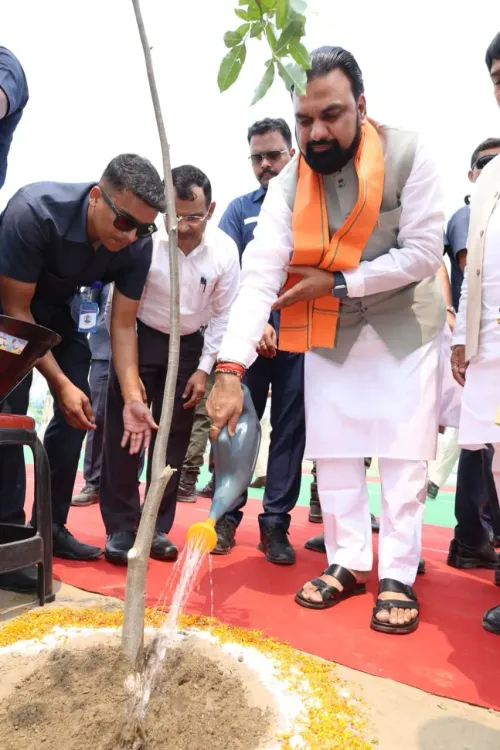
Synopsis
On World Environment Day, Bihar Chief Minister Nitish Kumar called on all state residents to plant one tree in their mother's name, calling environmental protection a collective responsibility essential to securing future generations and maintaining ecological balance in the flood-prone Gangetic plains.
Key Takeaways
Bihar CM Nitish Kumar made the appeal on World Environment Day, June 5, 2026 .
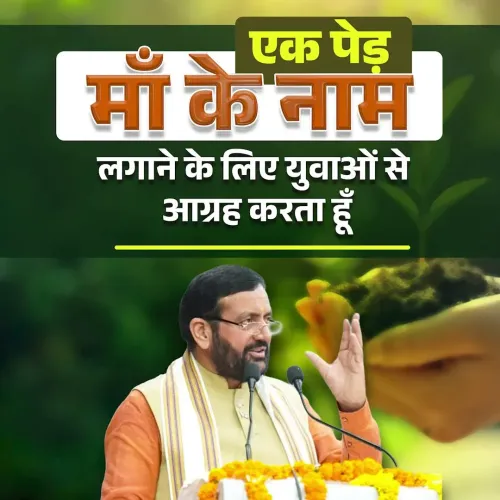
He urged every resident to plant at least one tree in the name of their mother .
The CM described environmental protection as a collective responsibility of all citizens.
The appeal is timed ahead of Bihar's monsoon season , the optimal window for tree plantation.
Bihar has run annual plantation drives since the early 2010s under the Department of Environment, Forest and Climate Change .
The emotional framing aims to improve long-term sapling survival , a persistent challenge in mass plantation drives.
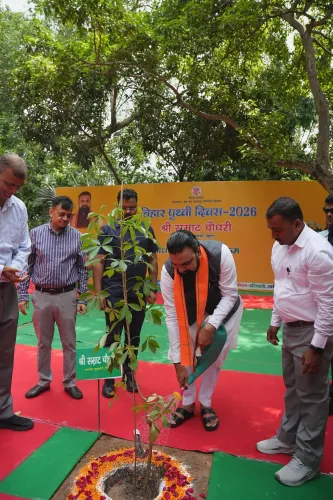
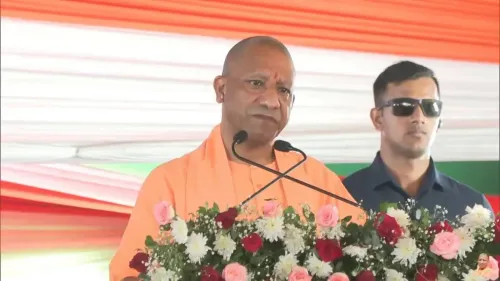
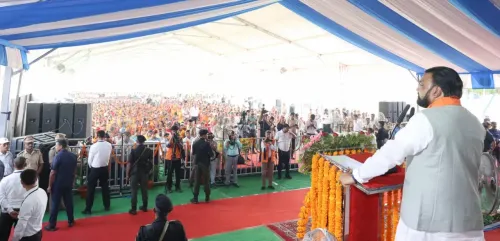
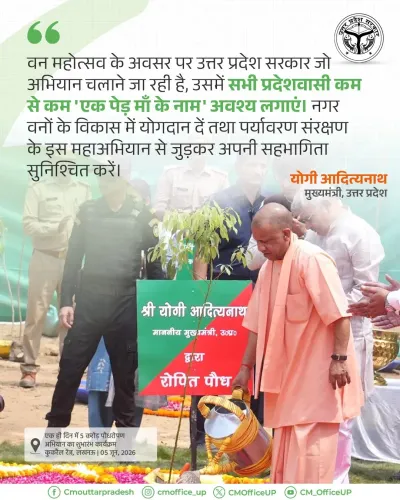
The Chief Minister's Office of Bihar on Friday, June 5, 2026 — World Environment Day — shared an appeal by Chief Minister Nitish Kumar urging every resident of the state to plant at least one tree in the name of their mother, framing environmental protection as a collective civic duty.
In the post, the Chief Minister said: 'I appeal to all residents of the state to plant one tree in the name of their mother. Environmental protection is our collective responsibility. Only through maximum tree plantation can ecological balance be maintained and the future of coming generations be secured.'
Context
June 5 is observed globally as World Environment Day, making the timing of the appeal significant. The message ties personal and familial sentiment — a mother's name — to a broader ecological goal, a framing increasingly used by Indian state governments to drive citizen-led afforestation beyond official plantation drives.
Bihar sits in the Gangetic plains, a region under sustained pressure from recurring floods, soil erosion, and declining forest cover. Public participation in tree plantation has become a key plank of the state's environmental strategy, given the limits of government-led drives alone.
Policy Backdrop
The Bihar Department of Environment, Forest and Climate Change has conducted annual monsoon plantation drives since at least the early 2010s, targeting lakhs of saplings on public and private land each year. The state is also a participant in India's National Action Plan on Climate Change, which includes Bihar-specific adaptation strategies for forestry and water management.
Nationally, the Van Mahotsav festival — an annual tree-planting event initiated in 1950 — provides an established civic framework for such campaigns. Bihar's appeal builds on that tradition while adding an emotional anchor by linking each sapling to a mother's memory or honour.
Stakeholders and Impact
The primary audience is Bihar's roughly 13 crore residents, whom the Chief Minister is asking to act individually rather than wait for state-organised drives. Forestry department staff are expected to support the initiative through sapling distribution and guidance at the ground level.
Ecologists and climate researchers have noted that citizen-driven plantation, when paired with monitoring for sapling survival, can meaningfully supplement government targets. The emotional framing — planting in a mother's name — is designed to encourage long-term care of the planted tree, addressing the chronic problem of low post-plantation survival rates.
What's Next
The 2026 monsoon season, typically beginning in Bihar by late June, is the most suitable window for mass tree plantation, and the appeal appears timed to mobilise citizens ahead of that period. Observers will watch whether the forest department follows up with a structured scheme — including sapling distribution centres, a plantation target, and a survival-monitoring mechanism.
If citizen response is wide, the campaign could set a precedent for emotionally anchored environmental drives in other Gangetic plain states facing similar deforestation and flood-resilience challenges.
Point of View
The mother, to a policy goal that governments have struggled to achieve through top-down mandates alone. It arrives on World Environment Day, maximising media amplification at minimal cost. For a state as ecologically vulnerable as Bihar — battered annually by Kosi and Gandak floods and facing long-term deforestation pressure — mass citizen participation in afforestation is not merely symbolic; it is a structural necessity. The real test, however, lies in what institutional scaffolding follows: without sapling distribution infrastructure and survival monitoring, such appeals risk remaining aspirational rather than transformative.
NationPress
20 Oct 2026
Frequently Asked Questions
What did Bihar CM Nitish Kumar say about tree plantation?
Bihar CM Nitish Kumar appealed to all residents of Bihar to plant at least one tree in the name of their mother, calling environmental protection a collective responsibility that is essential to maintaining ecological balance and securing the future of coming generations.
Why is Bihar running a tree plantation campaign in June 2026?
The appeal was made on World Environment Day, June 5, 2026, and is timed ahead of Bihar's monsoon season, which typically begins in late June and provides the most suitable conditions for mass tree plantation.
What is the 'plant a tree in mother's name' campaign in Bihar?
It is an appeal by Chief Minister Nitish Kumar asking every Bihar resident to plant one tree dedicated to their mother, using an emotional and personal motivation to drive citizen-led afforestation across the state.
What is Bihar's track record on tree plantation drives?
Bihar has conducted annual monsoon plantation drives since at least the early 2010s, targeting lakhs of saplings on public and private land, and participates in India's National Action Plan on Climate Change with state-specific forestry strategies.
What is Van Mahotsav and how does it relate to Bihar's campaign?
Van Mahotsav is a national annual tree-planting festival initiated in 1950 and observed across Indian states including Bihar. The Chief Minister's appeal builds on this tradition while adding a personal emotional dimension by linking each sapling to a mother's name.