Bihar CM Office Pushes CSR Funds for Anganwadi Centres
Synopsis
The Chief Minister's Office of Bihar on 1 June 2026 directed officials to explore Corporate Social Responsibility funding to strengthen Anganwadi centres. The move aligns with the Companies Act 2013 mandate and a broader national pattern of states tapping CSR for ICDS upgrades to bridge gaps in nutrition and child-care infrastructure.
Key Takeaways
The Chief Minister's Office of Bihar on 1 June 2026 issued a directive to explore CSR funding for Anganwadi centres.
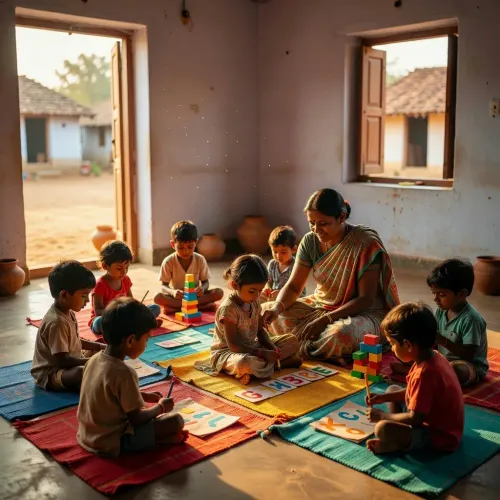
Anganwadi centres deliver nutrition, immunisation and pre-school education to children under six and pregnant women under the ICDS scheme, launched in 1975 .
The Companies Act 2013 mandates qualifying companies to spend 2 percent of average net profits on CSR, with nutrition and health listed as eligible activities.
Bihar has been revising Anganwadi worker honoraria and infrastructure norms in state budgets since 2015 .
Potential CSR inflows could fund kitchen upgrades, learning materials and health-tracking tools at Anganwadi centres.
Formal state-level CSR guidelines or MoUs with companies may follow through the Women and Child Development department .
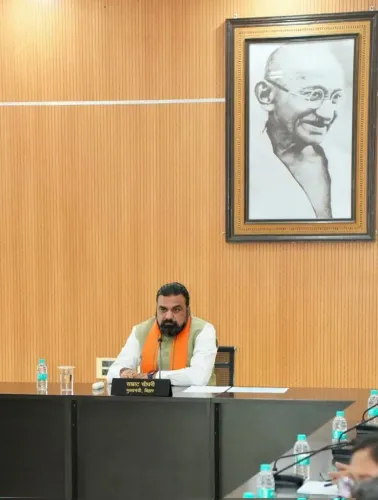
The Chief Minister's Office of Bihar on Monday, 1 June 2026 shared a directive calling for active exploration of Corporate Social Responsibility (CSR) funding to strengthen the operations of Anganwadi centres across the state.
The post quoted a senior official as saying, 'Anganwadi kendron ke sanchalan ko aur adhik sudridh banane ke liye CSR ke madhyam se sahyog prapt karne ki sambhavnaon par bhi karya kiya jae' — meaning, 'Work should also be done on exploring the possibilities of obtaining support through Corporate Social Responsibility to further strengthen the functioning of Anganwadi centres.'
Context
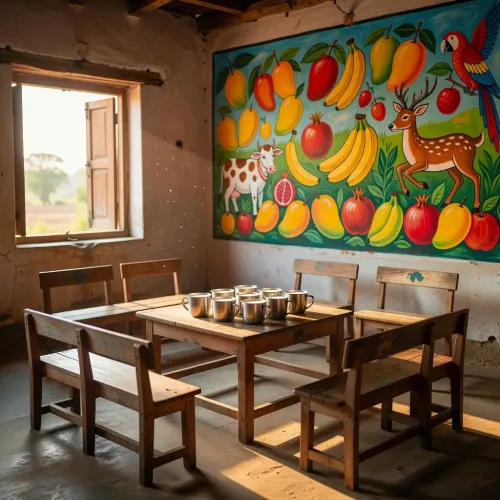
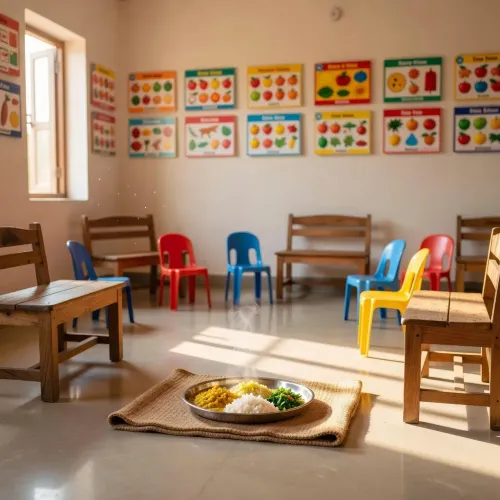
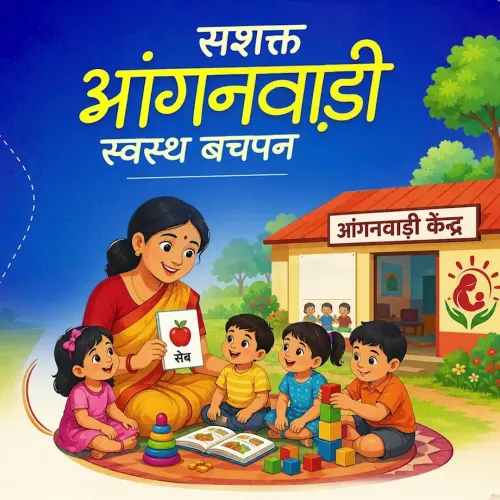
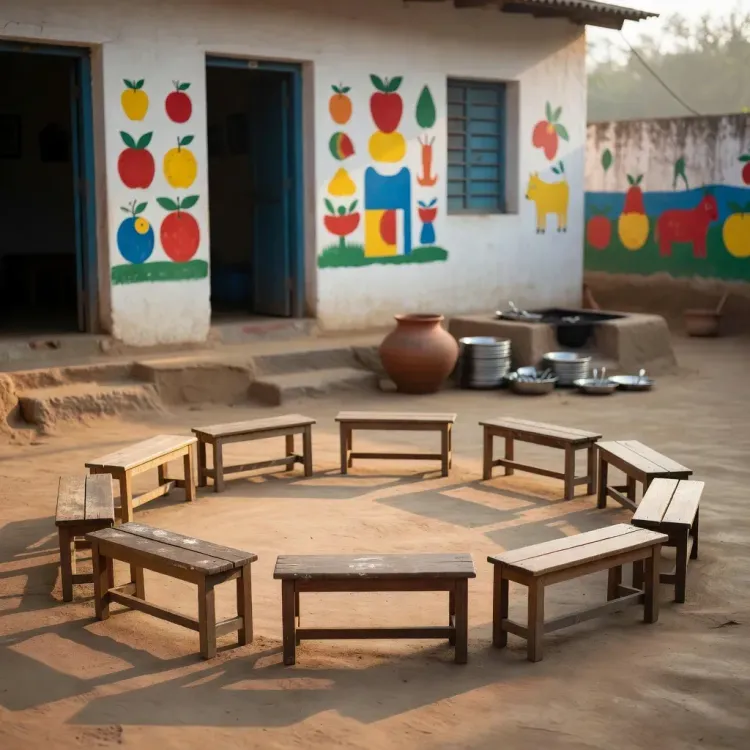
Anganwadi centres are the frontline delivery points of India's Integrated Child Development Services (ICDS), a central scheme launched in 1975 to provide supplementary nutrition, immunisation, health check-ups, and pre-school education to children under six and pregnant and lactating women. Bihar, with one of the largest concentrations of rural poor in the country, operates thousands of such centres, many of which face persistent gaps in infrastructure, equipment, and worker incentives.Policy Backdrop
The Companies Act 2013 introduced a mandatory requirement for qualifying companies to spend 2 percent of their average net profits on CSR activities. Schedule VII of the Act explicitly permits CSR expenditure on nutrition, health, and education — the core mandate of Anganwadi centres — making such centres legally eligible recipients of corporate funding. Indian states have increasingly sought to formalise CSR partnerships with companies to supplement central and state budget allocations for ICDS, particularly to address gaps in kitchen equipment, building repairs, and worker training. Bihar itself has periodically revised Anganwadi worker honoraria and infrastructure norms in state budgets since 2015.Stakeholders and Impact
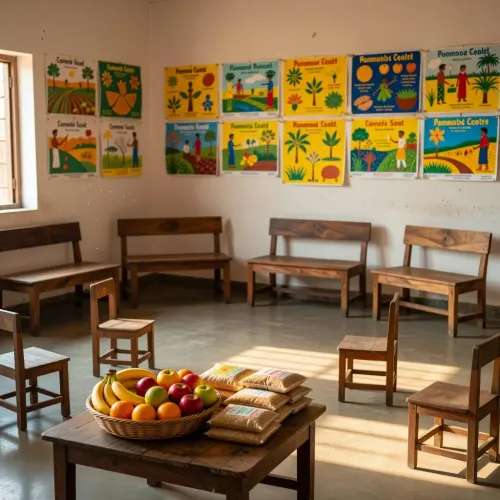
The directive, if translated into formal guidelines or memoranda of understanding, would most directly benefit Anganwadi workers, the rural mothers they serve, and children under six in Bihar's under-resourced districts. CSR inflows could fund upgrades such as improved kitchen infrastructure, learning materials, and digital tools for health tracking — areas where government allocations have historically fallen short. Companies operating in Bihar or with supply chains touching the state would be the primary partners under such an arrangement, potentially channelling funds through the state's Women and Child Development department.What's Next
The Bihar government may follow this directive with formal state-level CSR guidelines or structured MoUs with corporates, possibly announced during review meetings of the Women and Child Development department or in upcoming state budget sessions. The move fits a wider national pattern of sub-national governments formalising public-private partnerships for Anganwadi upgrades. If Bihar establishes a replicable model for CSR-backed Anganwadi strengthening, it could serve as a template for other large states with comparable ICDS coverage challenges.Point of View
The real test lies in execution — CSR partnerships for social infrastructure often stall at the MoU stage without a dedicated nodal structure and transparent fund-tracking mechanism. If Bihar formalises this into binding guidelines, it could set a precedent for how large, resource-constrained states leverage the Companies Act 2013 mandate for grassroots welfare delivery.
NationPress
14 Sept 2026
Frequently Asked Questions
What did the Bihar CM Office say about Anganwadi centres on 1 June 2026?
The Chief Minister's Office of Bihar on 1 June 2026 directed officials to explore Corporate Social Responsibility funding to further strengthen the functioning of Anganwadi centres across the state.
What are Anganwadi centres and what services do they provide?
Anganwadi centres are rural child-care hubs under the Integrated Child Development Services scheme, providing supplementary nutrition, immunisation, health check-ups and pre-school education to children under six and pregnant and lactating women.
Can CSR funds legally be used for Anganwadi centres in India?
Yes. Schedule VII of the Companies Act 2013 lists nutrition, health and education as eligible CSR activities, making Anganwadi centres legally qualifying recipients of corporate CSR spending.
How much are companies required to spend on CSR in India?
Under the Companies Act 2013, qualifying companies must spend 2 percent of their average net profits over the preceding three financial years on CSR activities listed in Schedule VII.
What is Bihar's track record on Anganwadi improvement?
Bihar has periodically revised Anganwadi worker honoraria and infrastructure norms in state budgets since 2015 as part of ongoing efforts to strengthen ICDS service delivery across the state.