CM Samrat Choudhary Reviews Bihar Social Welfare Delivery
Synopsis
Bihar Chief Minister Samrat Choudhary chaired a Social Welfare Department review on 1 June 2026, ordering pension credits by the 10th of each month, tech-driven Anganwadi monitoring, priority action on child malnutrition, expanded Parvarish Yojana coverage, and swift filling of departmental vacancies.
Key Takeaways
Pension deadline set: Social Security Pension amounts must reach beneficiaries' accounts by the 10th of every month .
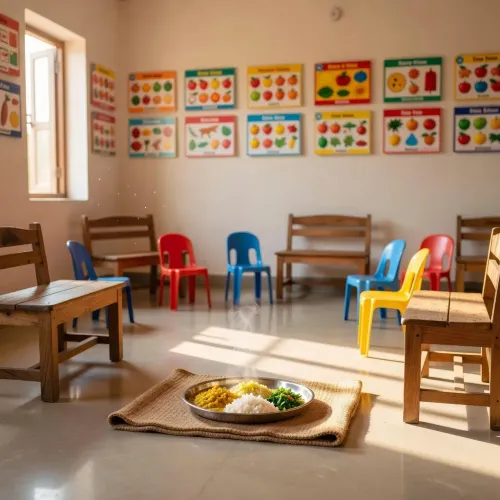
Digital surveillance of Anganwadis: Technology-based monitoring mandated to ensure 100% attendance at Anganwadi centres.
Child nutrition as top priority: Reducing stunting and wasting figures declared the highest-priority goal for the department.
Parvarish Yojana to be expanded: Coverage of the child sponsorship scheme and other welfare programmes to be widened for maximum eligible beneficiaries.
Vacancies to be filled urgently: CM Choudhary directed that vacant posts in the Social Welfare Department be filled at the earliest and Anganwadi centres be strengthened.
Transparent implementation stressed: All schemes to be executed in an effective, transparent and time-bound manner to reach weaker and deprived sections.
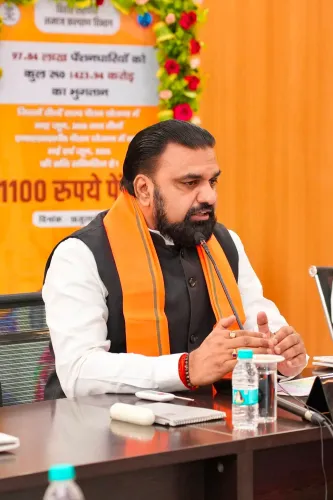
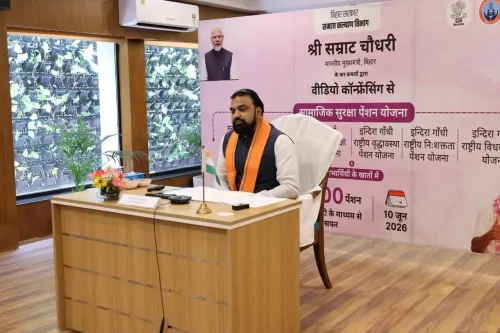
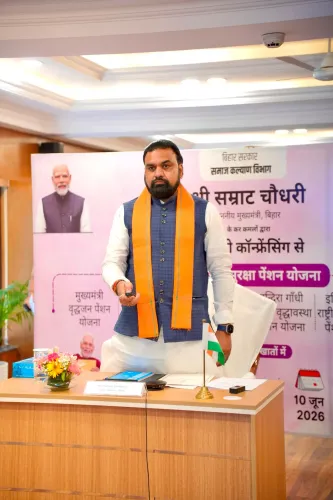
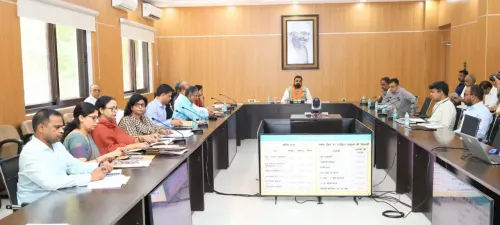
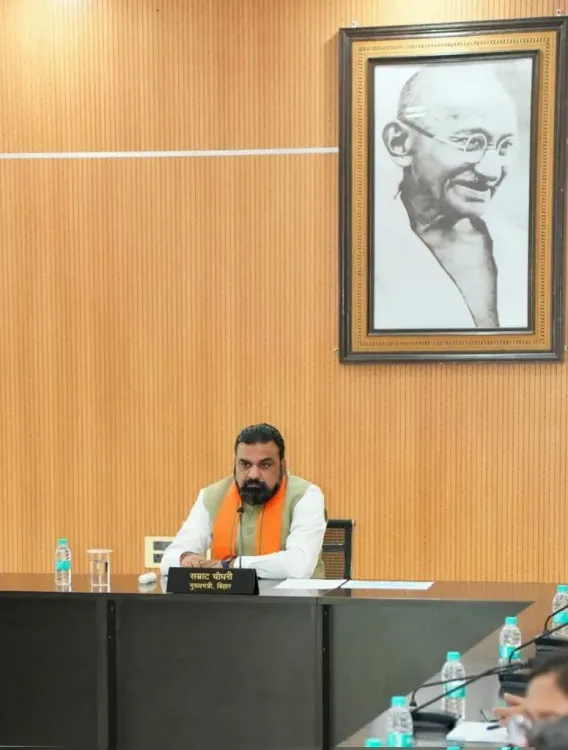
Bihar Chief Minister Samrat Choudhary chaired a review meeting with senior administrative officers of the Social Welfare Department at the Sankalp auditorium in Lok Sevak Avas, Patna, on Monday, 1 June 2026, issuing a set of firm directives to tighten delivery of welfare schemes for the state's most vulnerable citizens.
Context
The Chief Minister's post lists six concrete decisions taken at the meeting. Most notably, CM Choudhary ordered that Social Security Pension amounts be credited to beneficiaries' bank accounts without fail by the 10th of every month. He also directed that all social welfare schemes — including Parvarish Yojana — be expanded to cover the maximum number of eligible beneficiaries, with emphasis on effective, transparent and time-bound implementation 'ताकि समाज के कमजोर एवं वंचित वर्गों तक योजनाओं का लाभ सुनिश्चित हो सके' [so that the benefits reach the weaker and deprived sections of society].
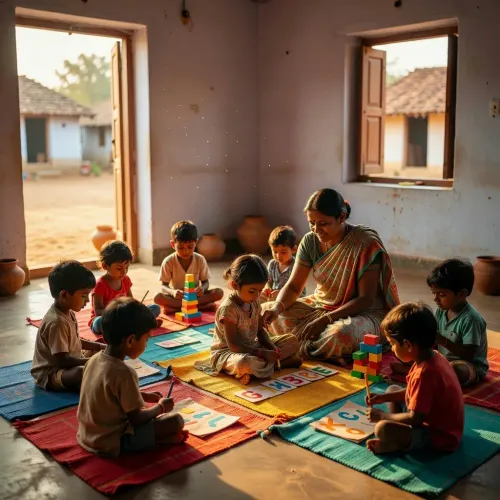
The meeting also stressed technology-driven monitoring of Anganwadi centres to ensure hundred-per-cent attendance, and declared that reducing child stunting and wasting figures would be accorded the highest priority. Vacant posts in the Social Welfare Department were to be filled at the earliest, and Anganwadi centres were to be structurally strengthened.
Policy Backdrop
Bihar's Social Security Pension Schemes draw from the National Social Assistance Programme (NSAP), launched in 1995, which provides non-contributory pensions to destitute elderly persons, widows, and persons with disabilities, supplemented by state top-ups. The Integrated Child Development Services (ICDS), operational since 1975, underpins the Anganwadi network that delivers nutrition, immunisation, and early childhood care at the village level.
The directive on stunting and wasting aligns with the POSHAN Abhiyaan, launched nationally in 2018, which targets reduction of malnutrition with a focus on the first 1,000 days of a child's life. Bihar has historically recorded among the higher rates of child malnutrition in national surveys, making the Chief Minister's push on this front particularly significant.
Parvarish Yojana is a Bihar-specific scheme providing sponsorship and support to children in need of care and protection — including orphans and children from extremely poor households — and its expansion signals a broader intent to achieve saturation coverage under state-run child welfare programmes.
Stakeholders and Impact
The directives directly concern several groups: pension beneficiaries — elderly, widowed, and disabled persons across Bihar — who have at times faced delays in monthly transfers; Anganwadi workers and helpers whose attendance and service delivery will now be tracked through digital tools; and malnourished children whose nutritional outcomes are a key performance metric for the department.
The instruction to fill vacancies in the Social Welfare Department addresses a structural gap that has long constrained on-ground implementation. Technology-based monitoring of Anganwadi centres mirrors similar reforms undertaken in other states to plug attendance and service-delivery gaps in the ICDS network.
What's Next
Implementation will be closely watched through quarterly reports on pension transfer timelines and Anganwadi attendance data. Any supplementary budget provisions to expand the coverage of Parvarish Yojana will serve as a further indicator of the administration's commitment to the directives issued at this review meeting. The broader thrust of these measures feeds into the #SamriddhBihar and #VikasitBharat goals that the Chief Minister has publicly championed, signalling that welfare delivery efficiency will remain a core administrative benchmark for the state government.
Point of View
CM Choudhary is essentially imposing performance accountability on a department where process slippage has been chronic. The emphasis on stunting and wasting data is politically astute: national nutrition surveys have long flagged Bihar as a laggard, and visible progress on those metrics would be a credible governance dividend ahead of future electoral cycles. Taken together, the directives signal that the state BJP leadership is positioning welfare efficiency — not just welfare spending — as its distinguishing administrative identity.
NationPress
16 Oct 2026
Frequently Asked Questions
What did Bihar CM Samrat Choudhary decide at the Social Welfare Department meeting?
CM Samrat Choudhary issued six key directives: ensuring pension credits by the 10th of each month , tech-based Anganwadi monitoring, prioritising child nutrition improvement, expanding Parvarish Yojana coverage, filling departmental vacancies, and ensuring transparent, time-bound scheme implementation.
What is the Social Security Pension Scheme in Bihar?
Bihar's Social Security Pension Schemes provide monthly financial assistance to elderly, widowed, and disabled persons, drawing from the central National Social Assistance Programme (NSAP) launched in 1995 and supplemented by state funds.
What is Parvarish Yojana in Bihar?
Parvarish Yojana is a Bihar government scheme that provides sponsorship and financial support to children in need of care and protection, including orphans and children from extremely poor families.
Why is child stunting and wasting a concern in Bihar?
Bihar has historically recorded higher-than-national-average rates of child malnutrition. CM Choudhary declared reducing stunting and wasting figures the highest priority for the Social Welfare Department, in line with the national POSHAN Abhiyaan goals.
How will Anganwadi centres be monitored in Bihar?
The Chief Minister directed that Anganwadi centre services be tracked through technology-based monitoring to ensure hundred-per-cent attendance and service delivery, as part of broader efforts to strengthen the ICDS network in the state.