Bihar CM Office stresses timely Anganwadi services for beneficiaries
Synopsis
The Chief Minister's Office of Bihar on June 1, 2026 directed that all Anganwadi centres across the state must operate regularly and effectively, ensuring prescribed services under ICDS reach beneficiaries on time.
Key Takeaways
The Chief Minister's Office of Bihar issued a directive on June 1, 2026 for regular and effective functioning of all Anganwadi centres in the state.
The directive specifically calls for prescribed services to be made available to beneficiaries on time .
Anganwadi centres deliver nutrition, immunisation, health check-ups, and preschool education under the ICDS programme launched in 1975 .
Key beneficiaries include children under six , pregnant women, and lactating mothers across Bihar.
POSHAN Abhiyan (2018) reinforced ICDS by focusing on strengthened Anganwadi functioning to improve nutritional outcomes.
Bihar's large rural population and malnutrition indicators make consistent Anganwadi operations a critical state priority.
The Chief Minister's Office of Bihar on Monday, June 1, 2026 emphasised the need for regular and effective operation of all Anganwadi centres across the state, directing that prescribed services be made available to beneficiaries on time.
Context
The official statement, shared via the Chief Minister's Office account, stressed that all Anganwadi centres in Bihar must function regularly and effectively. The directive called for ensuring that labharthiyon ko nirdharit sevaen samay par uplabdh karayi jayen ('prescribed services are made available to beneficiaries on time').
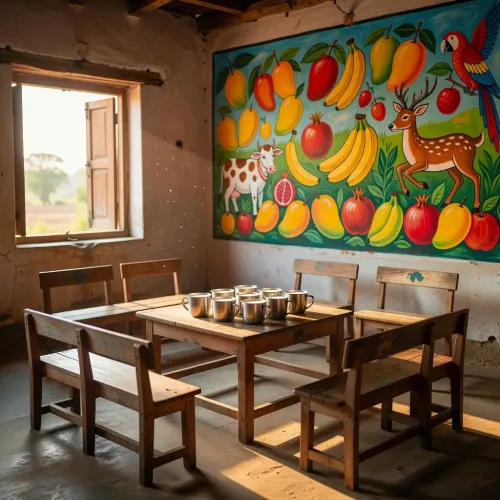
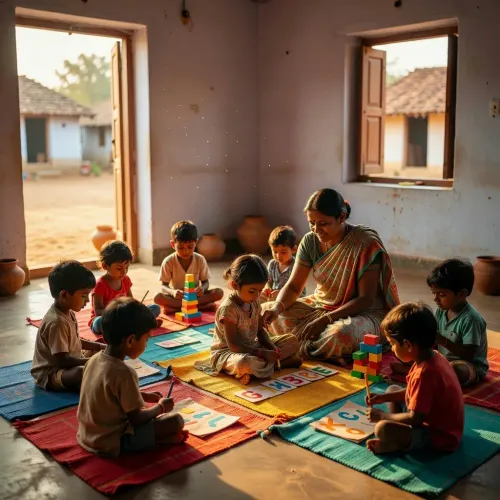
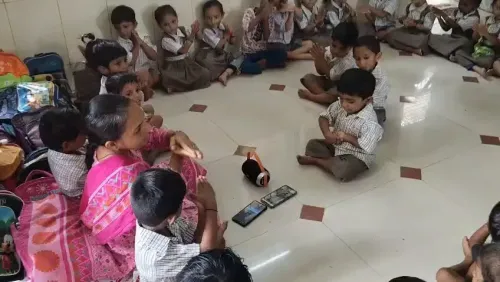
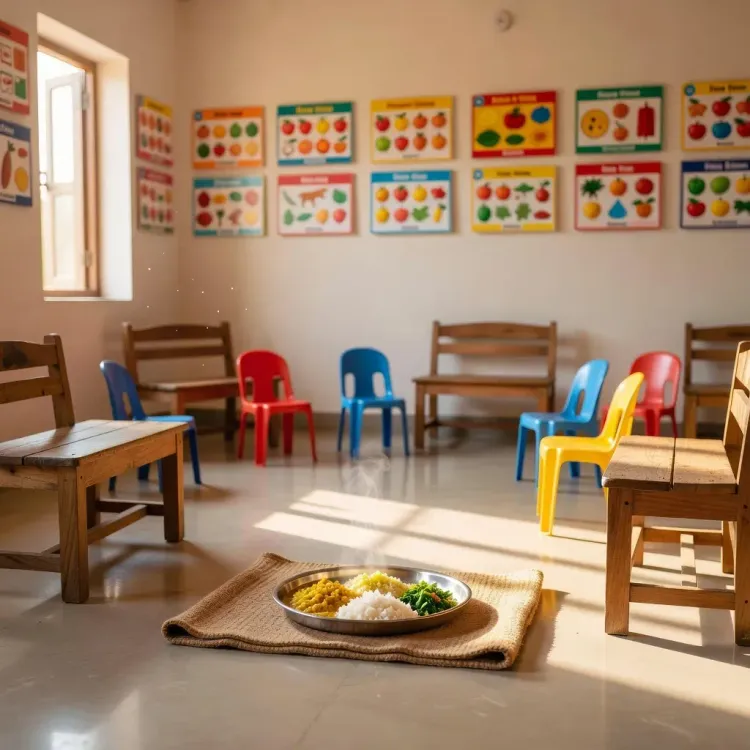
Anganwadi centres are the frontline delivery points for nutrition, immunisation, health check-ups, and preschool education under India's Integrated Child Development Services (ICDS) programme, serving children under six years of age as well as pregnant and lactating women.
Policy Backdrop
ICDS, launched in 1975, remains one of India's largest centrally sponsored welfare programmes targeting child malnutrition and early childhood development. It was significantly reinforced by the POSHAN Abhiyan, launched in 2018, which sought to improve nutritional outcomes by strengthening Anganwadi operations at the grassroots level.
Bihar, with its large rural population and historically elevated malnutrition indicators, has been a key focus state for ICDS implementation. State authorities have periodically issued administrative directions to improve service regularity, staffing, and accountability at Anganwadi centres.
Stakeholders and Impact
The primary beneficiaries of this directive are children under six, pregnant women, and lactating mothers across Bihar's rural and semi-urban areas who depend on Anganwadi centres for supplementary nutrition, growth monitoring, and immunisation services.
Anganwadi workers and helpers, who are the ground-level implementers of ICDS, are directly affected by such operational directives. Consistent centre functioning directly determines whether nutritional and health services reach the most vulnerable populations in the state.
What's Next
The directive signals an administrative push to tighten monitoring of Anganwadi attendance and service delivery across Bihar. Observers will watch for follow-up orders on staffing, resource allocation, or third-party evaluations of centre-level performance.
If implemented consistently, the emphasis on timely service delivery could contribute to improved nutritional and early childhood development outcomes in one of India's most populous states.
Point of View
A recurring challenge in ICDS implementation nationally. The directive, while procedural in nature, aligns with the broader POSHAN Abhiyan push to make nutrition delivery more measurable and outcome-linked.
NationPress
17 Oct 2026
Frequently Asked Questions
What are Anganwadi centres and what services do they provide?
Anganwadi centres are government-run welfare hubs that deliver supplementary nutrition, immunisation, health check-ups, and preschool education to children under six and to pregnant or lactating women under the ICDS programme.
What did the Bihar CM Office say about Anganwadi centres on June 1, 2026?
The Chief Minister's Office of Bihar directed that all Anganwadi centres in the state must operate regularly and effectively, and that prescribed services must be made available to beneficiaries on time.
What is ICDS and when was it launched?
The Integrated Child Development Services (ICDS) is a centrally sponsored scheme launched in 1975 to address child malnutrition and support early childhood development across India.
What is POSHAN Abhiyan and how does it relate to Anganwadi centres?
POSHAN Abhiyan, launched in 2018, is a national nutrition mission that strengthens Anganwadi operations to improve nutritional outcomes, particularly for children and mothers in rural areas.
Why are Anganwadi centres especially important in Bihar?
Bihar has a large rural population and historically elevated malnutrition indicators, making Anganwadi centres a critical frontline mechanism for child welfare and nutrition delivery in the state.