Bihar CM inaugurates model schools, degree college, and Harpur police station
Synopsis
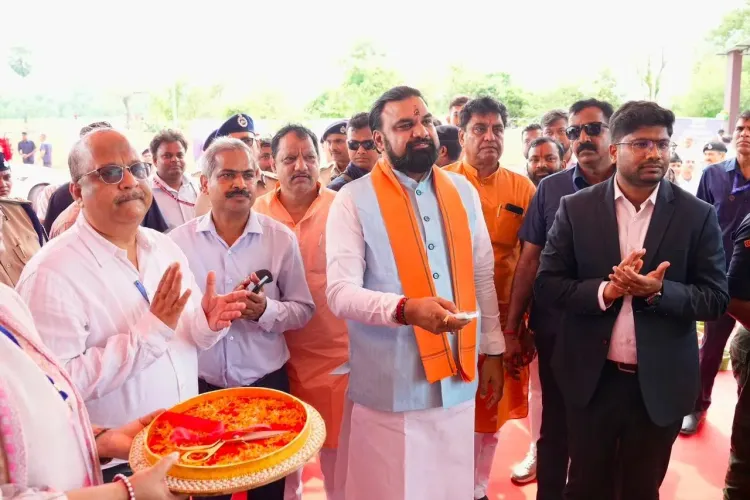
Bihar's Chief Minister on 28 July 2026 inaugurated higher secondary schools under the Saraswati Vidya Niketan model school scheme, a Rajkiya Degree Mahavidyalaya, and the Harpur Model Thana Bhawan — advancing the state's parallel push on education and policing infrastructure.
Key Takeaways
Bihar CM inaugurated multiple Saraswati Vidya Niketan (Model School) designated higher secondary schools on 28 July 2026 .
A new Rajkiya Degree Mahavidyalaya (government degree college) was also formally opened, expanding undergraduate access.
The Harpur Model Thana Bhawan was inaugurated as a template for modernised police station infrastructure in Bihar.
The Saraswati Vidya Niketan programme upgrades selected state schools with better infrastructure and teaching standards.
Bihar has pursued parallel education and policing infrastructure drives since the mid-2000s; today's event continues that pattern.
Enrolment data and utilisation reports from the new institutions will be the true measure of impact, expected in future state budget cycles.
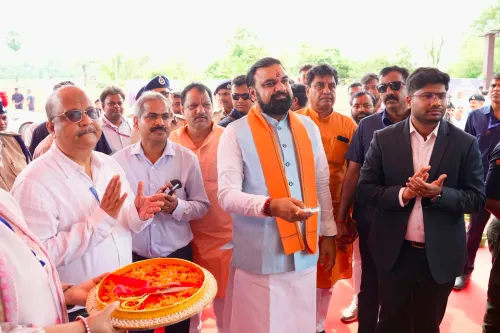
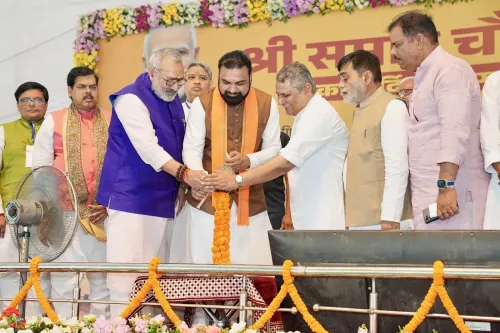
Three new public institutions opened their doors in Bihar on Tuesday, 28 July 2026, as the state's Chief Minister performed the inaugural ribbon-cutting for a cluster of projects spanning education and law enforcement — a deliberate pairing that signals the government's intent to move on multiple service-delivery fronts at once.
The Chief Minister's Office of Bihar announced that the Chief Minister inaugurated higher secondary schools selected under the Saraswati Vidya Niketan (Model School) programme, a Rajkiya Degree Mahavidyalaya (government degree college), and the Harpur Model Thana Bhawan — a newly constructed police station building designed to serve as a template for modernised law enforcement facilities across the state.
What the Saraswati Vidya Niketan tag means for students
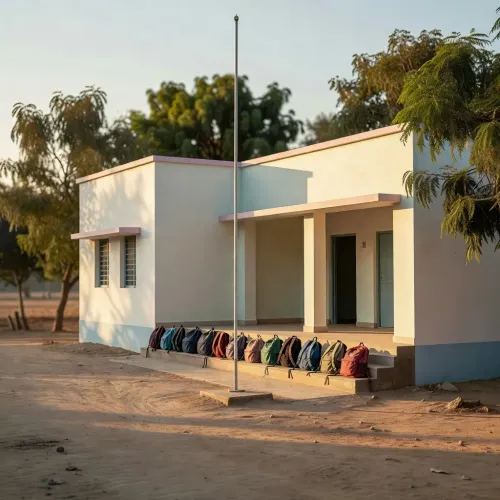
Being designated a Saraswati Vidya Niketan Model School is not cosmetic. The Bihar government programme selects existing higher secondary schools and upgrades them with improved infrastructure, laboratories, and teaching standards — effectively fast-tracking them into a tier above the average state school. For students in rural and semi-urban pockets of Bihar, such a school can be the difference between a credible local option and a long commute to a private institution.
Bihar has run successive drives since the mid-2000s to construct model schools and upgrade college infrastructure under state education missions. Today's inauguration continues that lineage, adding fresh capacity at both the secondary and undergraduate levels in one stroke.
Harpur Model Thana: policing gets a physical upgrade
The Harpur Model Thana Bhawan represents the law-enforcement half of the day's agenda. Model police stations in Bihar are built to a standardised design intended to improve working conditions for personnel and, critically, the experience of citizens who walk in to file complaints. A well-lit, organised thana with dedicated spaces for women complainants and digital record-keeping is a measurable step away from the crumbling, overcrowded structures that have long defined rural policing in many parts of the state.
Successive Bihar governments have paired education infrastructure upgrades with police building modernisation as part of a wider push to improve service delivery beyond the big cities — and today's dual inauguration follows that established pattern precisely.
What the numbers will eventually reveal
Inaugurations are moments; outcomes are measured later. The real test for the newly minted model schools and the degree college will come in enrolment figures, dropout rates, and board-exam results — data that typically surfaces in state budget documents and education department reports in the months that follow. For Harpur, the benchmark will be complaint-registration turnaround times and citizen satisfaction scores that police modernisation drives are increasingly expected to track.
Bihar's education and policing infrastructure has come a long way from the baseline of two decades ago — but the gap between a ribbon-cutting and a functioning institution is where governance is actually tested.
Point of View
Reduced crime-response times — will determine whether the investments become a governance legacy or a photo opportunity.
NationPress
27 Oct 2026
Frequently Asked Questions
What is Saraswati Vidya Niketan Model School in Bihar?
Saraswati Vidya Niketan is a Bihar government programme that selects existing higher secondary schools and upgrades them with better infrastructure, laboratories, and teaching standards to function as model institutions for the surrounding area.
What is a Rajkiya Degree Mahavidyalaya?
A Rajkiya Degree Mahavidyalaya is a state-run government degree college in Bihar that provides undergraduate education, typically serving students in districts where private college options are limited or expensive.
What is the Harpur Model Thana Bhawan?
The Harpur Model Thana Bhawan is a newly constructed police station building in Bihar built to a standardised modern design, intended to serve as a template for upgraded law enforcement facilities across the state.
Why does Bihar pair school inaugurations with police station openings?
Bihar governments have long pursued simultaneous education and policing infrastructure upgrades as part of a wider service-delivery push in rural and semi-urban areas, maximising political and administrative impact from a single event.
How will the success of Bihar's new model schools be measured?
Enrolment figures, student dropout rates, and board-examination results are the key metrics; this data typically appears in state education department reports and budget documents in the months following an inauguration.