Bihar CM Samrat Choudhary announces fuel austerity: WFH, no vehicle day, trimmed carcade
Synopsis
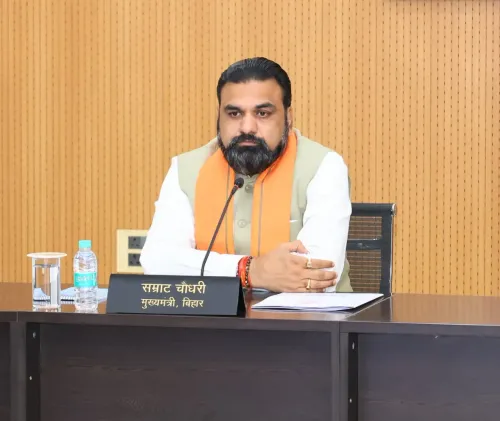
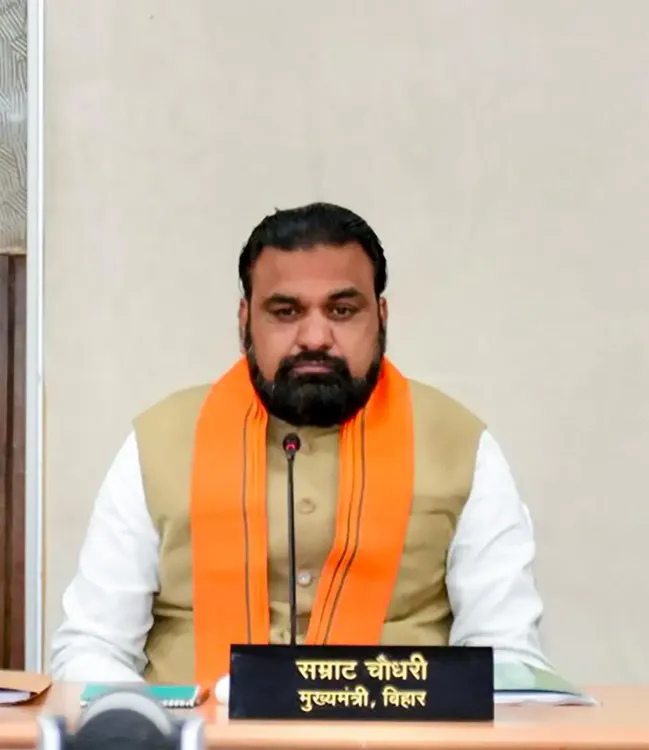
Bihar CM Samrat Choudhary has moved beyond rhetoric — trimming his own convoy, ordering video-conferencing for all state meetings, and calling for a weekly no-vehicle day. The moves are a direct state-level response to PM Modi's energy conservation appeal amid the Iran-US conflict's pressure on India's fuel supply chain.
Key Takeaways
Bihar CM Samrat Choudhary announced fuel austerity measures on 13 May , citing the Iran-US conflict in West Asia.
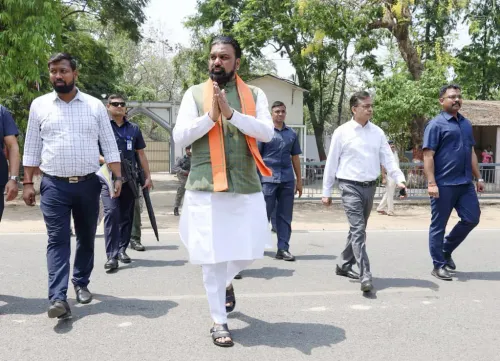
The CM has ordered a reduction in his own ministerial carcade and appealed to all ministers and public representatives to attend events without additional vehicles.
All state government departments directed to hold meetings via video conferencing to cut travel.
A 'no vehicle day' once a week has been proposed as a public campaign to reduce personal vehicle use.
Both government and private offices advised to promote work-from-home culture .
Instructions issued to minimise use of palm oil in government office canteens across the state.
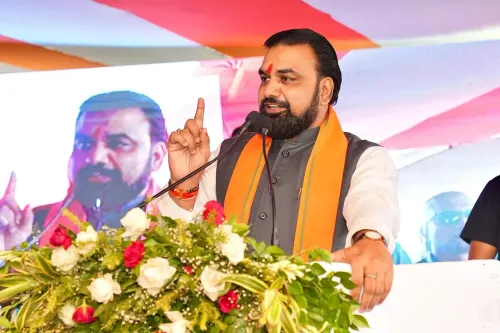
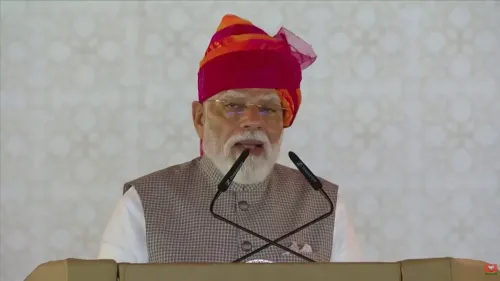
Bihar Chief Minister Samrat Choudhary on Wednesday, 13 May announced a sweeping set of austerity measures aimed at cutting government fuel consumption and promoting energy conservation, citing the ongoing Iran-US conflict and its ripple effects on West Asia. The announcement follows a public appeal by Prime Minister Narendra Modi urging citizens and governments alike to reduce petrol and diesel dependency and embrace work-from-home wherever feasible.
Key Announcements by the Bihar CM
Choudhary took to his official handle on X (formerly Twitter) to detail the decisions. At the top of the list: a reduction in the size of his own ministerial convoy, setting a personal example for the measures he is asking others to follow. Ministers, Chairpersons and members of Corporation Boards, office-bearers, and public representatives have been appealed to attend public programmes without additional vehicles.
All state government departments have been directed to conduct conferences and official meetings through video conferencing wherever possible, reducing the need for in-person travel. Additionally, instructions have been issued to minimise the use of palm oil in canteens operating within government offices across the state.
No Vehicle Day and Public Transport Push
In what the Chief Minister described as a first-of-its-kind initiative, Choudhary has appealed to citizens to observe a 'no vehicle day' once a week — a collective campaign to shun personal vehicles and go green in the national interest. He urged residents to shift to alternative public transport options including Metro, bus, and auto services as part of this effort.
Work From Home Culture
The Bihar government has also advised both government and private offices to promote a work-from-home culture, echoing the Centre's broader push to reduce unnecessary commuting and fuel use during this period of geopolitical uncertainty. This directive extends beyond the government apparatus, signalling an attempt to influence private sector behaviour as well.
The Broader Context
These measures come in the backdrop of the Iran-US war creating a protracted stalemate in West Asia, a region critical to India's crude oil imports. Any sustained disruption to supply chains from the region has historically translated into fuel price pressures for Indian consumers and state exchequers alike. Prime Minister Modi's earlier appeal for energy conservation has now found a concrete state-level response in Bihar, and other state governments may be watching closely. How effectively these measures reduce actual fuel expenditure — and whether they are enforced beyond the initial announcement — will determine their real impact.
Point of View
Giving these measures more urgency than the typical symbolic gesture. Whether Bihar's directives translate into measurable fuel savings, or remain aspirational circulars, will be the true test of Choudhary's follow-through.
NationPress
2 Oct 2026
Frequently Asked Questions
What fuel austerity measures has Bihar CM Samrat Choudhary announced?
Bihar CM Samrat Choudhary announced a reduction in ministerial convoys including his own carcade, a weekly no vehicle day, mandatory video conferencing for government meetings, promotion of work-from-home in government and private offices, and minimising palm oil use in government canteens. The measures were announced on 13 May in response to the Iran-US conflict's impact on West Asia and PM Modi's energy conservation appeal.
Why has Bihar announced these fuel conservation measures?
The measures come in the wake of the Iran-US conflict creating a prolonged stalemate in West Asia, a region critical to India's crude oil supply. Bihar CM Choudhary stated these steps are aligned with Prime Minister Narendra Modi's public appeal to reduce petrol and diesel dependency and curtail unnecessary government expenditure.
What is the 'no vehicle day' initiative announced by Bihar CM?
The no vehicle day is a proposed weekly initiative where citizens are appealed to voluntarily shun personal vehicles and use public transport such as Metro, bus, and auto instead. Bihar CM Choudhary described it as a collective green campaign in the national interest, to be observed once a week.
Who is Bihar Chief Minister Samrat Choudhary?
Samrat Choudhary is the Chief Minister of Bihar. He announced these austerity measures via his official handle on X on 13 May, framing them as a state-level response to both PM Modi's energy conservation call and the geopolitical pressures arising from the Iran-US conflict.
Will private offices also be affected by Bihar's work-from-home directive?
Yes, the Bihar government has advised both government and private offices to promote a work-from-home culture as part of the fuel conservation push. However, the directive is framed as advice rather than a binding mandate for the private sector.