Bihar observes 'No Vehicle Day': CM walks to Secretariat, ministers cycle amid Modi's fuel appeal
Synopsis
Bihar's political class took PM Modi's fuel conservation appeal literally on 15 May — the Chief Minister walked 150 metres to work, a minister rode an e-rickshaw, and district magistrates cycled to their offices. But the optics drew immediate fire from the opposition, which questioned whether symbolic gestures address the real burden of rising fuel prices on ordinary citizens.
Key Takeaways
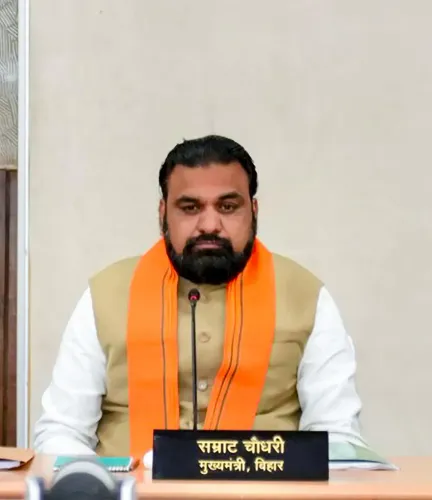
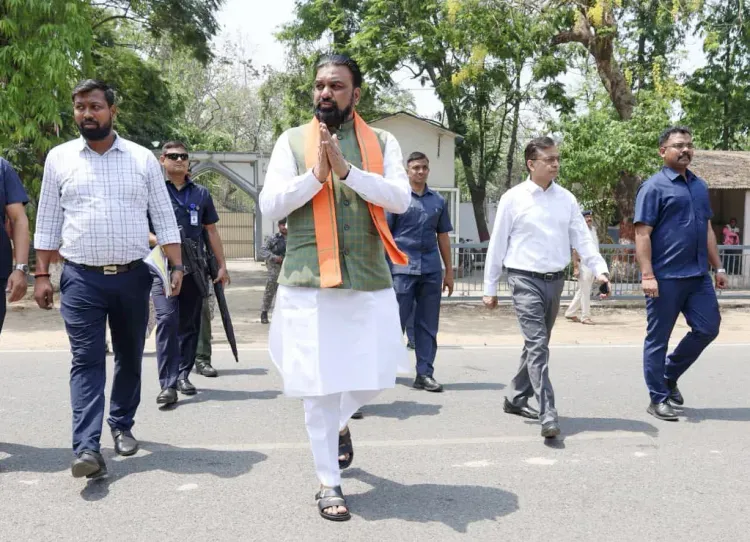
Bihar Chief Minister Samrat Choudhary walked approximately 150 metres from his residence to the Secretariat on 15 May as part of 'No Vehicle Day'.
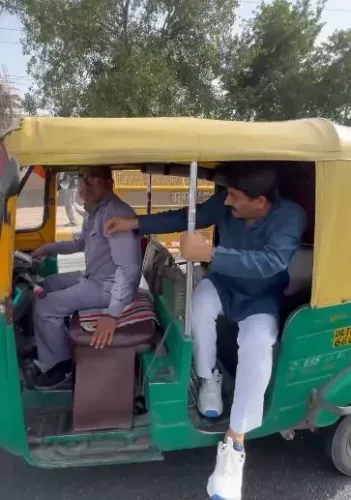
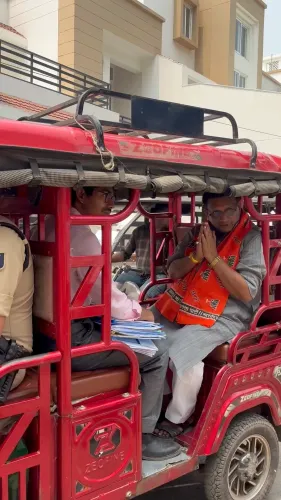
Panchayati Raj Minister Deepak Prakash walked roughly one kilometre to the Secretariat; Education Minister Mithilesh Tiwari commuted by electric e-rickshaw.
District Magistrates and Superintendents of Police across several Bihar districts cycled to their offices; security personnel in Gaya also used bicycles.
The initiative was framed as a response to PM Narendra Modi's appeal to reduce petrol and diesel consumption amid global energy concerns linked to the US-Iran conflict .
JJD chief Tej Pratap Yadav criticised both the Centre and the Bihar government over rising fuel prices and large political convoys, calling for stricter implementation.
Bihar observed a symbolic 'No Vehicle Day' on 15 May as several senior leaders and district officials adopted alternative modes of transport in response to Prime Minister Narendra Modi's appeal to reduce dependence on petrol and diesel. The initiative, unfolding across Patna and multiple districts, brought together ministers, bureaucrats, and security personnel in a visible show of fuel conservation.
Chief Minister Leads by Example
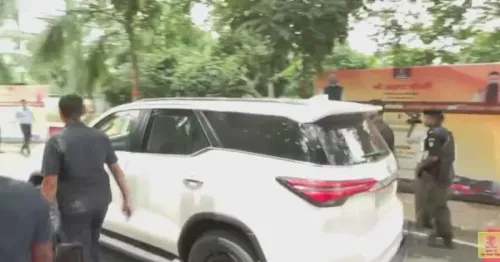
Bihar Chief Minister Samrat Choudhary walked from the Chief Minister's residence to the Secretariat in Patna — a distance of approximately 150 metres — accompanied by officials from the Chief Minister's Secretariat and security personnel. Notably, Choudhary had already scaled down the size of his official convoy during movements within Patna and nearby areas ahead of this initiative.
Ministers Join the Symbolic March
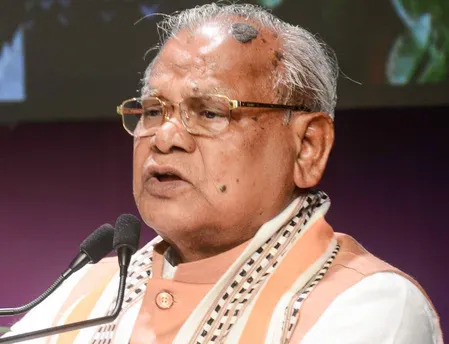
Panchayati Raj Minister Deepak Prakash walked approximately one kilometre from his official residence to the Secretariat, having earlier announced the gesture publicly as a call for fuel conservation amid what he described as a global crisis triggered by the US-Iran conflict.
Education Minister Mithilesh Tiwari opted for an electric e-rickshaw to commute to his office. 'We have used the e-rickshaw to give a message to save fuel. It is also a message to officers to conserve fuel. Given the global crisis, saving fuel will help us stay safe,' Tiwari said.
District-Level Participation Across Bihar
The initiative extended well beyond Patna. District Magistrates and Superintendents of Police in several districts reached their offices on bicycles. The District Magistrate of Khagaria stated that the move was aimed not only at saving fuel but also at promoting better health. In Gaya, security personnel were also seen commuting on bicycles, reinforcing the conservation message at the ground level.
Political Opposition Raises Convoy Concerns
The day was not without dissent. JJD chief Tej Pratap Yadav, who was in Gaya, criticised both the central and state governments over rising fuel prices and what he called the continued use of large political convoys. He argued that if the Prime Minister is advocating for reduced convoys, the Bihar government should implement the same directive more strictly — a remark that underscored the political tensions surrounding fuel costs as a public concern.
What This Signals
Bihar's 'No Vehicle Day' adds a symbolic but visible dimension to India's broader conversation around fuel conservation, governance accountability, and the cost of living. This comes amid sustained public pressure over petrol and diesel prices, with the global energy market remaining volatile. Whether such gestures translate into policy shifts — reduced convoy sizes, accelerated EV adoption in government fleets — remains to be seen.
Point of View
Not a policy. Bihar's 'No Vehicle Day' is politically useful optics — it signals alignment with the Prime Minister's messaging at a time when fuel prices are a live public grievance. But the gap between symbolic walks and structural action is wide: government fleets remain largely petrol-dependent, EV adoption in official use is negligible, and convoy culture is entrenched across party lines. Tej Pratap Yadav's critique, however self-serving, lands on a real contradiction — it is difficult to ask citizens to conserve fuel while political motorcades routinely block traffic for kilometres. The real test is whether 'No Vehicle Day' produces any durable change in procurement, fleet policy, or fuel subsidy debate.
NationPress
12 Oct 2026
Frequently Asked Questions
What is Bihar's 'No Vehicle Day' and why was it observed?
'No Vehicle Day' is a symbolic initiative observed in Bihar on 15 May, during which senior leaders and officials used alternative transport — walking, cycling, or electric vehicles — instead of official cars. It was observed in response to Prime Minister Narendra Modi's public appeal to reduce petrol and diesel consumption amid global energy concerns.
What did Bihar Chief Minister Samrat Choudhary do on 'No Vehicle Day'?
Chief Minister Samrat Choudhary walked approximately 150 metres from his official residence to the Bihar Secretariat in Patna, accompanied by secretariat officials and security personnel. He had also previously reduced the size of his official convoy during movements within Patna.
Which other Bihar ministers participated in the initiative?
Panchayati Raj Minister Deepak Prakash walked about one kilometre from his residence to the Secretariat. Education Minister Mithilesh Tiwari commuted to his office by electric e-rickshaw, saying the gesture was meant to encourage fuel conservation among officers as well.
Who criticised Bihar's 'No Vehicle Day' and why?
JJD chief Tej Pratap Yadav, who was in Gaya, criticised both the central and state governments over rising fuel prices and the use of large political convoys. He argued that if PM Modi is calling for reduced convoys, the Bihar government should implement the directive more strictly.
Did district-level officials also participate in Bihar's fuel conservation drive?
Yes. District Magistrates and Superintendents of Police in several Bihar districts cycled to their offices. The District Magistrate of Khagaria cited both fuel saving and health promotion as reasons, while security personnel in Gaya were also seen commuting on bicycles.