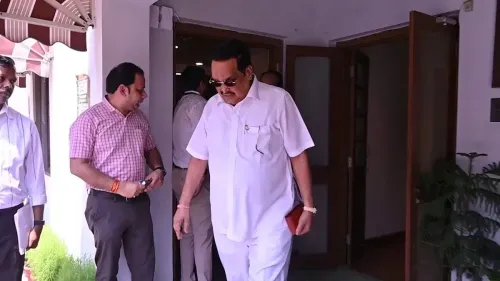
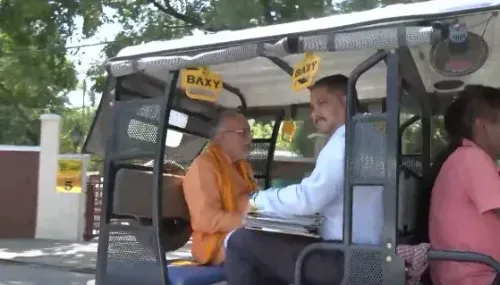
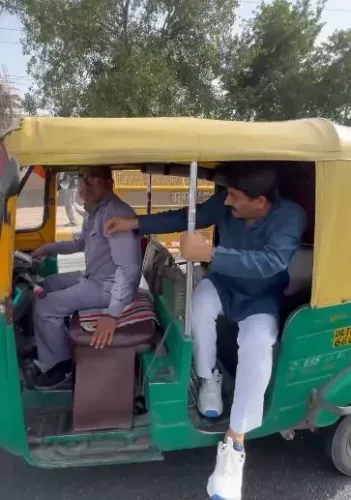
Bihar Minister Kumar Shailendra rides e-rickshaw to office, backs Modi fuel conservation push
Synopsis
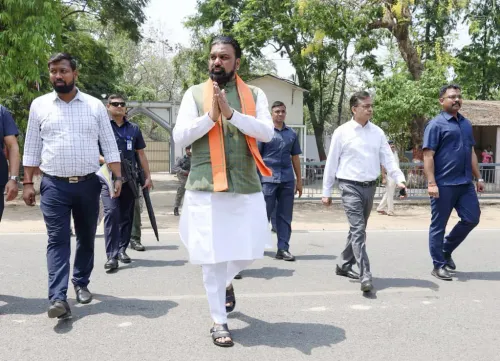
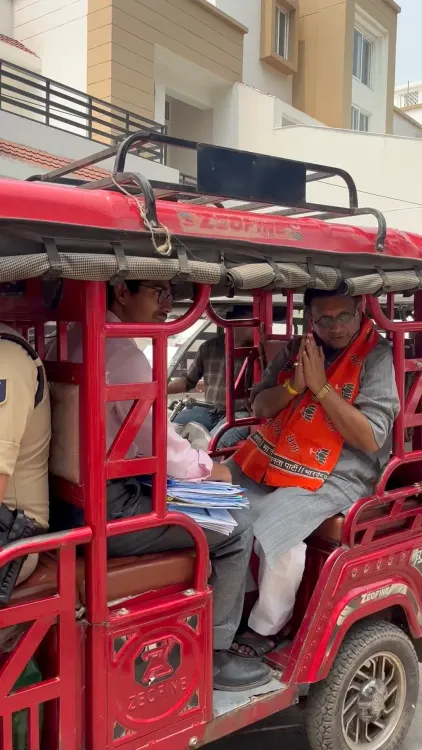
Bihar Road Construction Minister Kumar Shailendra rode an e-rickshaw to office in Patna — including to a cabinet meeting — pledging clean transport at least twice a week in direct response to PM Modi's national fuel conservation appeal. It is a rare instance of a sitting minister making a sustained, day-long public commitment to the initiative rather than a one-off photo opportunity.
Key Takeaways
Bihar Road Construction Minister Kumar Shailendra commuted to his Patna office by e-rickshaw on 20 May 2025 .
He pledged to use eco-friendly transport for at least two days every week , including for cabinet meetings and official engagements.
The move follows PM Narendra Modi 's national appeal to reduce petrol and diesel consumption to conserve foreign exchange.
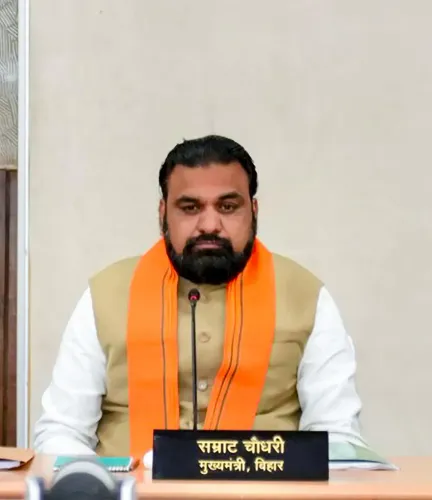
Bihar CM Samrat Choudhary had discussed fuel conservation at a cabinet meeting prior to the minister's initiative.
Shailendra also highlighted the Sahyog Shivir outreach programme, aimed at bridging the gap between citizens and government services across districts and panchayats.
He had toured 10 districts before returning to the departmental headquarters for the first time since assuming office.
Bihar Road Construction Minister Kumar Shailendra on Wednesday, 20 May arrived at his office in Patna aboard an e-rickshaw, directly responding to Prime Minister Narendra Modi's national appeal to reduce petrol and diesel consumption amid concerns over a possible global energy crisis. The gesture signals Bihar's political class aligning visibly with the Centre's push for eco-friendly transportation.
The Pledge and What It Covers
Speaking to reporters, Minister Shailendra said he had committed to using alternative, environmentally friendly modes of transport for at least two days every week. 'On that very day, I resolved to use alternative and eco-friendly modes of transport for at least two days every week. Today, wherever I travel, I will do so by e-rickshaw,' he said.
He added that the e-rickshaw would be his sole mode of transport throughout the day for all official engagements — including a cabinet meeting and a scheduled meeting with Bihar Chief Minister Samrat Choudhary.
Bihar Cabinet's Role in the Initiative
Shailendra noted that Chief Minister Samrat Choudhary had raised the issue of fuel conservation during a cabinet meeting following the Prime Minister's appeal. The minister's e-rickshaw commute is, in effect, a public enactment of that cabinet-level discussion, lending institutional weight to what might otherwise be a symbolic act.
This comes amid a broader national conversation about energy security and India's dependence on imported fuel, which places a recurring burden on the country's foreign exchange reserves.
PM Modi's Fuel Conservation Appeal
Prime Minister Narendra Modi had appealed to citizens across the country to cut back on petrol and diesel use and shift to eco-friendly alternatives such as the metro, electric vehicles, and other clean transport options. The stated objective, according to the Prime Minister, is to conserve fuel and reduce the outflow of foreign exchange.
Notably, the appeal comes at a time when global energy markets remain volatile, with supply-side uncertainties continuing to affect crude oil prices and import bills for oil-dependent economies like India.
Shailendra's District Outreach and Sahyog Shivir
Beyond the transport initiative, Minister Shailendra also highlighted the state government's Sahyog Shivir programme — assistance camps designed to reach citizens who are unable to directly access ministers or senior officials. He said officials are conducting outreach across districts, blocks, subdivisions, and panchayats to hear public grievances.
The minister acknowledged that awareness of these camps remains low among large sections of the public and said the initiative aims to bridge that gap. He also noted that he had already toured 10 districts before returning to the departmental headquarters for the first time since assuming office.
What This Signals
As India accelerates its electric vehicle adoption agenda, visible participation by state ministers in clean-transport messaging carries political and policy weight. Whether such gestures translate into sustained behavioural change or policy action — such as expanded e-rickshaw infrastructure or EV subsidies at the state level — will determine the initiative's real impact.
Point of View
But the real question is whether it moves beyond optics. Bihar's road infrastructure remains heavily dependent on fossil-fuel logistics, and a two-days-a-week personal pledge does not by itself constitute a clean transport policy. The more meaningful signal would be if the state follows up with EV-friendly procurement norms, e-rickshaw route expansion, or state-level fuel efficiency mandates. Modi's conservation appeal is directionally sound, but without structural incentives, ministerial gestures risk becoming a media cycle rather than a policy shift.
NationPress
7 Oct 2026
Frequently Asked Questions
Why did Bihar Minister Kumar Shailendra travel by e-rickshaw to office?
Minister Kumar Shailendra rode an e-rickshaw to his Patna office on 20 May 2025 in response to PM Narendra Modi's national appeal to reduce petrol and diesel consumption and promote eco-friendly transport. He pledged to use alternative transport for at least two days every week.
What did PM Modi say about fuel conservation?
PM Narendra Modi appealed to citizens to reduce consumption of petrol and diesel and adopt clean alternatives such as the metro and electric vehicles. The stated goal is to conserve fuel and reduce India's foreign exchange outflow on energy imports.
What is the Sahyog Shivir initiative mentioned by the minister?
Sahyog Shivir is a Bihar state government outreach programme that deploys officials across districts, blocks, subdivisions, and panchayats to hear public grievances from citizens who cannot directly access ministers or senior officials. Minister Shailendra said awareness of the camps remains low and the initiative aims to improve access to government services.
Did Bihar's cabinet discuss fuel conservation?
Yes. According to Minister Shailendra, Bihar Chief Minister Samrat Choudhary raised the issue of fuel conservation during a cabinet meeting following PM Modi's appeal, which prompted the minister to make his personal pledge on eco-friendly commuting.
How many districts has Minister Shailendra toured since taking office?
Minister Kumar Shailendra stated that he had toured 10 districts before returning to the departmental headquarters in Patna for the first time since assuming office.