Diya Kumari takes train to Ajmer after Modi's fuel conservation call
Synopsis
Rajasthan Deputy CM Diya Kumari traded her official convoy for a train seat on Sunday, travelling Jaipur-Ajmer in a visible show of support for PM Modi's fuel conservation push. The same day, the BJP rolled out 'Mera Bharat, Mera Yogdan' — a nationwide campaign urging citizens to cut gold purchases, skip foreign travel, and back Swadeshi. It is the ruling alliance's most coordinated symbolic response yet to the West Asia-driven energy crisis.
Key Takeaways
Rajasthan Deputy CM Diya Kumari travelled by train from Jaipur to Ajmer on 17 May , responding to PM Modi 's fuel conservation appeal.
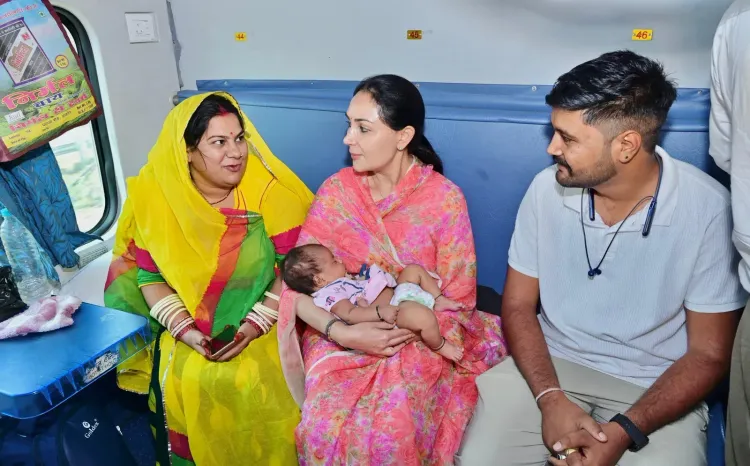
She interacted with fellow passengers and posted about the journey on X , invoking the 'Rashtra Pratham' principle.
The BJP launched the 'Mera Bharat, Mera Yogdan' campaign nationwide on the same day to promote energy conservation and simpler lifestyles.
Citizens are being urged to avoid gold purchases, postpone non-essential foreign travel, and support Swadeshi products.
Across NDA -ruled states, leaders have reduced convoy sizes and switched to Metro and electric vehicles following Modi's directive.
India imports approximately 85% of its crude oil, making it highly vulnerable to the West Asia conflict's impact on global energy prices.
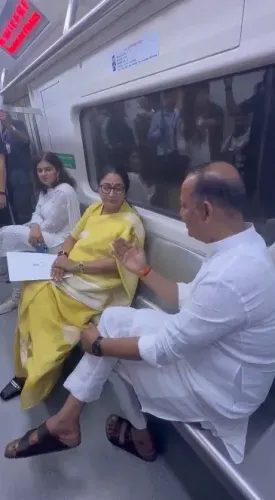
Rajasthan Deputy Chief Minister Diya Kumari on Sunday, 17 May boarded a train from Jaipur Railway Station to Ajmer, responding to Prime Minister Narendra Modi's appeal to citizens to cut fuel consumption amid the global energy crisis linked to the ongoing conflict in West Asia. During the journey, she interacted with fellow passengers to understand their perspectives on public transport and energy conservation.
What Diya Kumari Said
In a post on X, Kumari stated: 'Embracing the inspiring call of the successful Prime Minister Narendra Modi for ‘Rashtra Pratham’, today I travelled by Indian Railways to Ajmer and engaged in heartfelt conversations with fellow passengers to understand their thoughts and experiences.'
She further added: 'Today, the need is to give the character of a people’s movement not only to development but also to environmental protection and energy conservation. The growing trust in public transport provides new momentum to the country towards economic strength, energy conservation, and a clean environment.'
The BJP's 'Mera Bharat, Mera Yogdan' Campaign
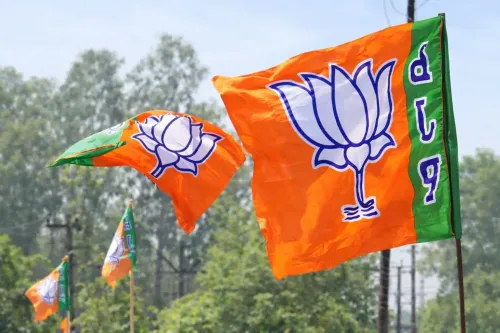
On the same day, the Bharatiya Janata Party (BJP) launched a nationwide public awareness campaign titled 'Mera Bharat, Mera Yogdan', directly aligned with Modi's fuel conservation appeal. The campaign aims to motivate citizens to prioritise national interests, conserve energy, and adopt simpler daily habits.
As part of the initiative, citizens are being encouraged to refrain from purchasing gold, postpone non-essential foreign travel, and support Swadeshi products. Party leaders and workers are expected to incorporate these principles into their programmes.
Leaders Across NDA Adopt Fuel-Saving Measures
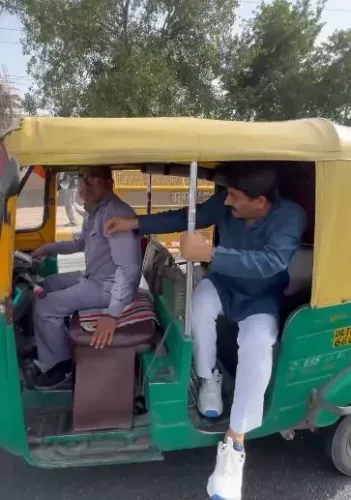
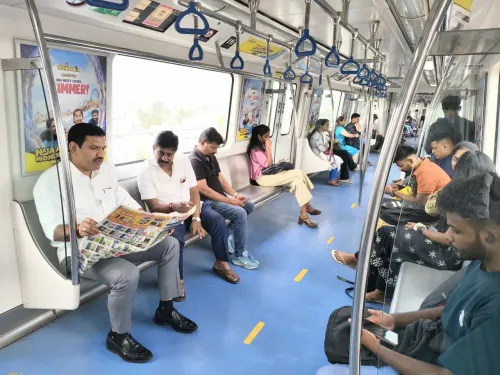
Prime Minister Modi, several Union Ministers, and Chief Ministers have already begun adopting fuel-saving practices. Multiple leaders have opted for Metro travel and electric vehicles, and have significantly reduced convoy sizes. In NDA-ruled states in particular, convoy downsizing has been widely reported following the Prime Minister's directive.
Notably, this marks a coordinated, top-down push by the ruling alliance to translate a national energy conservation message into visible symbolic action by elected representatives — a move that blurs the line between governance and political optics.
Broader Context
Modi's appeal comes against the backdrop of rising global fuel prices driven by the West Asia conflict, which has strained energy supply chains and placed pressure on India's import bill. India imports roughly 85% of its crude oil requirements, making it acutely sensitive to international price shocks. Public transport adoption and reduced private vehicle use are among the short-term levers the government is urging citizens to pull.
How far voluntary symbolic gestures by leaders translate into sustained behavioural change among the general public remains to be seen.
Point of View
Mera Yogdan' campaign produces measurable behavioural shifts or simply generates social media content. Asking citizens to defer gold purchases and foreign travel while the government has no emergency conservation mandate in place reveals the voluntary, optics-first nature of this exercise. The West Asia crisis deserves a more substantive policy response than a convoy reduction.
NationPress
20 Sept 2026
Frequently Asked Questions
Why did Diya Kumari travel by train to Ajmer?
Rajasthan Deputy Chief Minister Diya Kumari took a train from Jaipur to Ajmer on 17 May in response to PM Narendra Modi's appeal to citizens to reduce fuel consumption amid the global energy crisis triggered by the West Asia conflict. She described the journey as an act of 'Rashtra Pratham' — nation first.
What is the BJP's 'Mera Bharat, Mera Yogdan' campaign?
'Mera Bharat, Mera Yogdan' is a nationwide public awareness campaign launched by the BJP on 17 May, aligned with PM Modi's fuel conservation call. It urges citizens to conserve energy, avoid gold purchases, postpone non-essential foreign travel, and support Swadeshi products.
What fuel-saving steps have NDA leaders taken?
Several Union Ministers, Chief Ministers, and NDA leaders have switched to Metro travel and electric vehicles, and have significantly reduced the size of their official convoys following PM Modi's appeal. The measures are voluntary and symbolic in nature.
Why is India concerned about the West Asia conflict's impact on fuel?
India imports approximately 85% of its crude oil requirements, making it highly sensitive to global oil price movements. The ongoing West Asia conflict has disrupted energy supply chains and pushed up prices, increasing pressure on India's import bill and domestic fuel costs.
What did Diya Kumari say in her X post about the train journey?
In her post on X, Kumari said she travelled by Indian Railways to Ajmer embracing PM Modi's call for 'Rashtra Pratham', and engaged in conversations with fellow passengers. She also stressed the need to turn energy conservation and environmental protection into a people's movement.