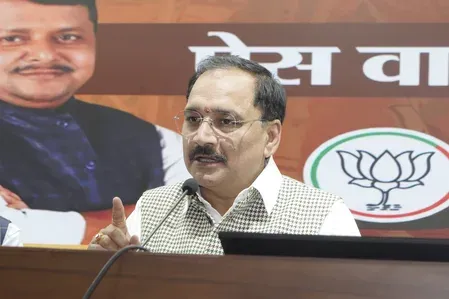
Delhi BJP chief Virendra Sachdeva rolls out fuel-saving steps amid Modi's conservation appeal
Synopsis
Delhi BJP chief Virendra Sachdeva has moved beyond symbolic support — announcing online party meetings and personal fuel cuts to back PM Modi's conservation appeal. On the same day, CM Rekha Gupta launched 'Mera Bharat, Mera Yogdan', introducing Metro Mondays, two work-from-home days a week, and 58 new feeder bus routes to Metro stations. It is the first coordinated state-level BJP response to the PM's national fuel conservation call.
Key Takeaways
Delhi BJP President Virendra Sachdeva announced party-wide fuel-saving steps on 14 May , including shifting all party meetings online.
All Delhi BJP office-bearers and workers are directed to reduce personal petrol and diesel consumption.
Delhi CM Rekha Gupta launched the 'Mera Bharat, Mera Yogdan' campaign on the same day.
Government employees (excluding essential services) will work from home for two days a week ; every Monday is designated 'Metro Monday' .
Delhi ministers and officials will avoid foreign tours for one year and large government events will be curtailed.
Special route plans for 58 feeder buses have been prepared to link 29 government colonies with Metro stations .
Delhi Bharatiya Janata Party (BJP) President Virendra Sachdeva on Thursday, 14 May announced a set of concrete fuel-conservation measures for the party, welcoming Prime Minister Narendra Modi's appeal to citizens to cut petrol and diesel consumption and curtail foreign travel in order to protect India's foreign exchange reserves. Sachdeva described the Prime Minister's call as an emergency step taken squarely in the national interest.
Key Decisions by Delhi BJP
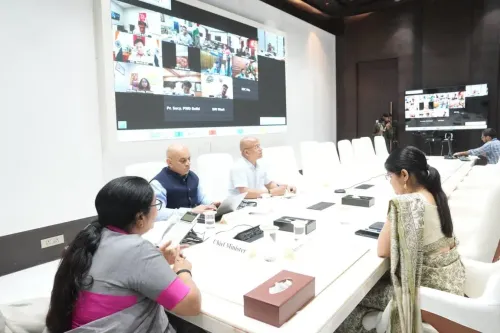
Sachdeva announced that all Delhi BJP office-bearers and workers will comply with both the Prime Minister's appeal and the Delhi government's directives by actively reducing their personal petrol and diesel usage. Crucially, the party will shift its internal meetings to online platforms to cut down on fuel-intensive travel — a visible, immediate step that signals organisational commitment beyond rhetoric.
Sachdeva also welcomed the fuel-conservation announcements made by Delhi Chief Minister Rekha Gupta, saying the state unit stands in alignment with the government's broader conservation drive.
Delhi Government's 'Mera Bharat, Mera Yogdan' Campaign
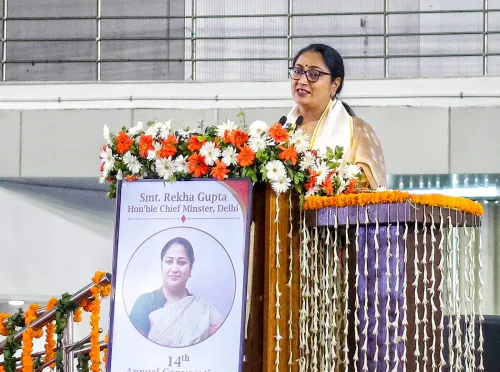
Chief Minister Rekha Gupta launched the 'Mera Bharat, Mera Yogdan' campaign on the same day, framing fuel conservation as an act of national service. The government announced that employees — barring those in essential services — will be permitted to work from home for two days each week, directly reducing daily commuter fuel demand.
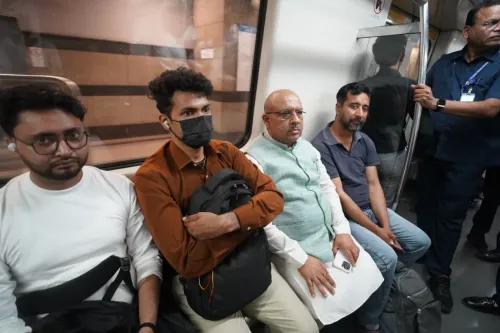
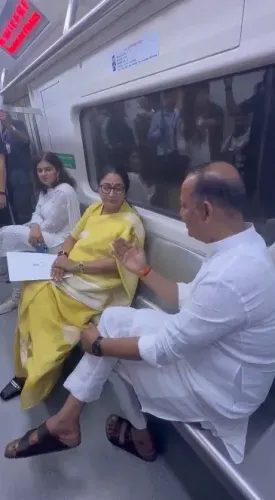
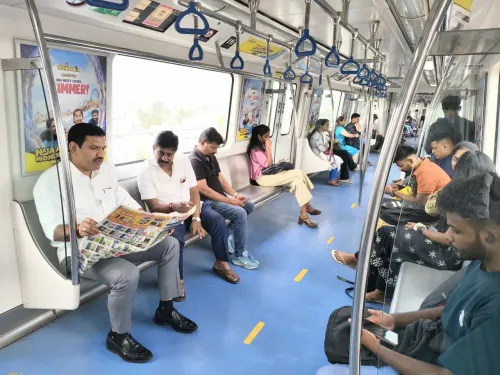
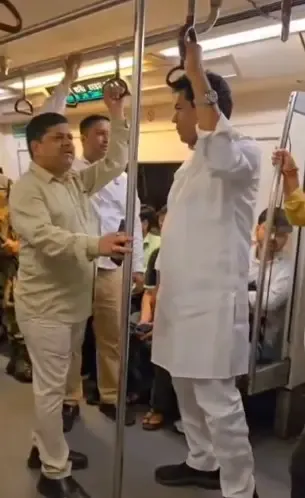
Every Monday has been designated 'Metro Monday', with ministers and government employees encouraged to use public transport instead of official vehicles. Delhi ministers and senior officials have additionally committed to avoiding foreign tours for a period of one year, while large-scale government events are to be curtailed.
Infrastructure Push to Support Public Transport
To back the conservation push with ground-level action, the Delhi government has prepared special route plans for 58 feeder buses to connect 29 government colonies directly with Metro stations. The government has also decided to reduce fuel consumption in its own vehicle fleet used across government offices — setting a precedent for the public sector to lead by example.
Broader Context and National Significance
The announcements come against the backdrop of Prime Minister Modi's national call for fuel conservation, which officials have framed as a response to foreign exchange pressures. This is the first coordinated state-level response from a BJP-governed state capital, with both the party unit and the elected government moving in tandem. Notably, the emphasis on public transport, carpooling, and digital meetings reflects a multi-pronged approach rather than a single symbolic gesture.
Chief Minister Gupta underscored that every citizen holds the power to contribute to national strength through small, consistent choices — from taking the Metro to avoiding unnecessary vehicle use. The campaign is expected to be rolled out across Delhi's residential colonies and government offices in the coming days.
Point of View
Metro Mondays, and feeder bus routes are measurable actions, not just pledges. Yet the harder question is whether a one-year foreign travel ban for ministers and two work-from-home days genuinely move the needle on Delhi's fuel demand, or whether they function primarily as visible solidarity with a national political signal. The real test of the 'Mera Bharat, Mera Yogdan' campaign will be whether the 58 feeder bus routes are actually operationalised and whether Metro Monday becomes a sustained habit rather than a first-week photo opportunity.
NationPress
29 Sept 2026
Frequently Asked Questions
What fuel-saving steps has Delhi BJP announced?
Delhi BJP President Virendra Sachdeva announced on 14 May that all party office-bearers and workers will reduce personal petrol and diesel usage, and that party meetings will be shifted to online platforms to cut fuel consumption. The steps are in direct response to Prime Minister Narendra Modi's national conservation appeal.
What is the 'Mera Bharat, Mera Yogdan' campaign?
It is a fuel-conservation campaign launched by Delhi Chief Minister Rekha Gupta on 14 May, calling on citizens to save fuel and use public transport as an act of national service. The campaign includes Metro Mondays, two work-from-home days per week for non-essential government staff, and new feeder bus routes to Metro stations.
What is 'Metro Monday' in Delhi?
'Metro Monday' is a weekly initiative announced by the Delhi government under which ministers and government employees are encouraged to commute using public transport — specifically the Metro — every Monday, instead of official or personal vehicles.
How long will Delhi ministers avoid foreign travel?
Delhi ministers and senior officials have committed to avoiding official foreign tours for one year, as part of the broader fuel and foreign exchange conservation drive announced alongside the 'Mera Bharat, Mera Yogdan' campaign.
What infrastructure support has the Delhi government announced for public transport?
The Delhi government has prepared special route plans for 58 feeder buses to connect 29 government colonies with Metro stations, aiming to make public transport a practical option for daily commuters and government employees.