Delhi mandates 2-day WFH in govt offices amid PM Modi's fuel conservation push
Synopsis
Delhi has become one of the first states to translate PM Modi's fuel conservation appeal into binding policy — mandatory two-day WFH for all government staff, a 20% petrol allowance cut, a one-year foreign travel ban for employees, and a weekly no-vehicle day for residents. The speed and breadth of the response sets a visible benchmark for other state governments.
Key Takeaways
Delhi CM Rekha Gupta announced mandatory two-day WFH for all state government offices, effective 15 May .
A 20 per cent cut in petrol allowances for government vehicles has been proposed.
All Delhi government employees are barred from foreign tours for one year ; no large events for three months .
Residents have been urged to observe a 'No Vehicle Day' every week.
Private offices have been encouraged — but not mandated — to adopt the two-day WFH model.
The measures follow PM Modi's seven-point fuel conservation appeal citing the ongoing West Asia conflict .
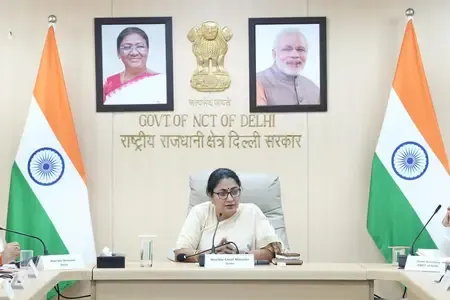
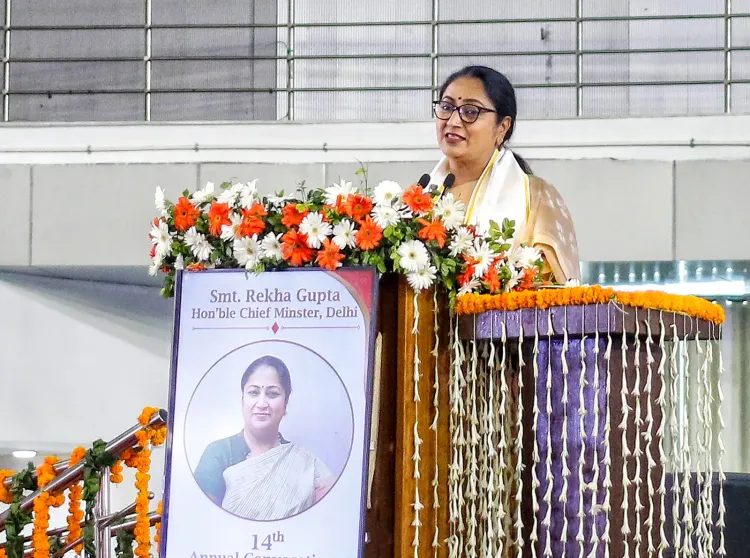
Delhi Chief Minister Rekha Gupta on Thursday, 14 May announced a mandatory two-day Work From Home (WFH) policy for all state government offices, unveiling a sweeping package of fuel-saving measures that will take effect from Friday, 15 May. The announcement, made at a press conference in New Delhi, directly follows Prime Minister Narendra Modi's national appeal for fuel conservation in response to the ongoing West Asia conflict.
Key Measures Announced
Chief Minister Gupta outlined several concrete steps the Delhi government will take to curb fuel expenditure. A 20 per cent cut in petrol allowances for government-run vehicles has been proposed, while the purchase of new vehicles will be put on hold for the next few months. The government will also actively promote the adoption of Electric Vehicles (EVs) within its fleet.
All Delhi government employees have been barred from undertaking foreign tours for the next one year. Additionally, the capital will not host any large-scale events for the next three months. Essential services, officials confirmed, will remain unaffected by any of these restrictions.
Push to Engage Private Sector and Citizens
The Delhi government's fuel conservation drive extends beyond its own offices. Chief Minister Gupta urged private companies and offices to voluntarily adopt the two-day WFH model, amplifying the city-wide impact of the initiative. City residents have also been appealed to participate in a 'No Vehicle Day' every week — a measure the government expects will significantly reduce fuel consumption across the capital.
The National Context: Modi's Seven-Point Appeal
The Delhi government's action comes in the wake of Prime Minister Modi's fervent appeal last week, in which he called on citizens to take 'national responsibility' for cutting unnecessary expenses amid what he described as a tough period arising from the Gulf crisis. Modi laid out a seven-point plan, with the sharpest emphasis on reducing fuel usage, noting that imports of petrol and diesel place the greatest burden on India's foreign exchange reserves and the national exchequer.
Modi had framed the conservation effort as a 'collective fight', seeking broad participation from both government and the public. Delhi's response is among the first state-level policy actions directly aligned with the Centre's appeal.
What This Means for Delhi
The combined effect of mandatory WFH, a weekly no-vehicle day, and reduced government vehicle usage could meaningfully cut the capital's official fuel bill in the short term. However, the voluntary nature of private-sector participation means the broader impact will depend on corporate uptake. Analysts note that Delhi, as the national capital, sets a visible precedent — other state governments may face pressure to announce similar measures. How consistently these policies are enforced, particularly the foreign travel ban and event moratorium, will determine whether this is a structural shift or a short-term symbolic gesture.
Point of View
But its real-world impact hinges on two weak links: voluntary private-sector WFH adoption and enforcement of the foreign travel and events bans — both historically patchy in Indian governance. The Modi appeal framed fuel conservation as a national security issue, yet the Centre has not yet announced equivalent restrictions on its own ministries, which makes Delhi's move politically useful optics as much as genuine policy. The deeper question is whether a crisis-driven, time-bound WFH order can shift commuting habits durably, or whether it evaporates the moment the West Asia situation stabilises.
NationPress
9 Oct 2026
Frequently Asked Questions
What did Delhi CM Rekha Gupta announce on 14 May regarding Work From Home?
Delhi Chief Minister Rekha Gupta announced a mandatory two-day Work From Home policy for all Delhi state government offices, effective from 15 May. The move is part of a broader fuel conservation package responding to PM Modi's national appeal.
Why is the Delhi government implementing fuel conservation measures?
The measures follow Prime Minister Narendra Modi's appeal for a 'collective fight' against rising fuel costs triggered by the prolonged conflict in West Asia. Modi issued a seven-point plan last week urging citizens to cut unnecessary fuel expenditure to ease pressure on India's foreign exchange reserves.
What other fuel-saving steps has the Delhi government announced?
Alongside two-day WFH, the Delhi government has proposed a 20 per cent cut in petrol allowances for government vehicles, a ban on new vehicle purchases for several months, a one-year moratorium on foreign tours for government employees, no large events in the capital for three months, and a weekly 'No Vehicle Day' appeal to residents.
Will private offices in Delhi also have to follow the WFH order?
No — private offices are being encouraged, not mandated, to voluntarily adopt the two-day WFH model. The mandatory policy applies only to Delhi state government offices.
Will essential services be affected by these fuel conservation measures?
No. The Delhi government has confirmed that essential services will remain fully operational and are exempt from all the restrictions announced under the fuel conservation package.