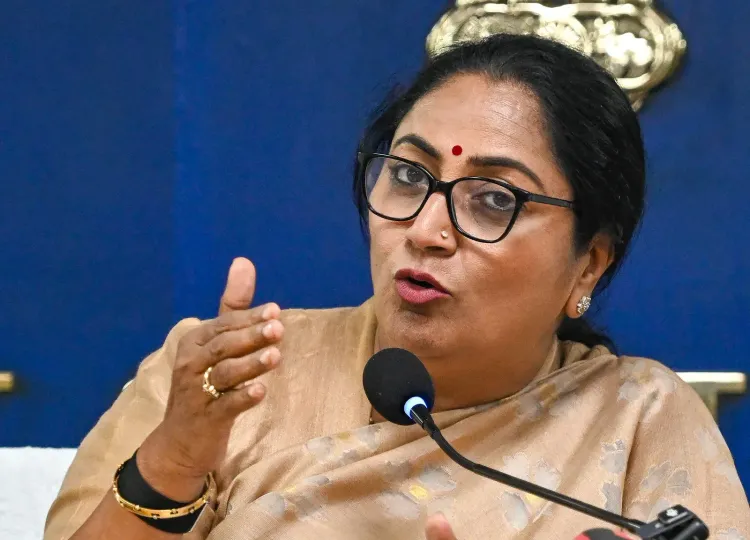
Delhi CM Rekha Gupta hits back at Opposition over fuel-saving 'politics'
Synopsis
Delhi CM Rekha Gupta turned an Opposition attack into a political counter-offensive — challenging rival leaders to give up their own luxury convoys after they called her fuel-saving drive a ‘proof of failure.’ With a four-vehicle convoy cap, a Metro Monday mandate, and 58 feeder buses linking government colonies to Metro stations, the real question is whether the measures outlast the headlines.
Key Takeaways
Delhi CM Rekha Gupta on 14 May accused the Opposition of politicising her government’s fuel-conservation drive.
Her official convoy will be capped at four vehicles ; she travelled to a university convocation in an electric vehicle .
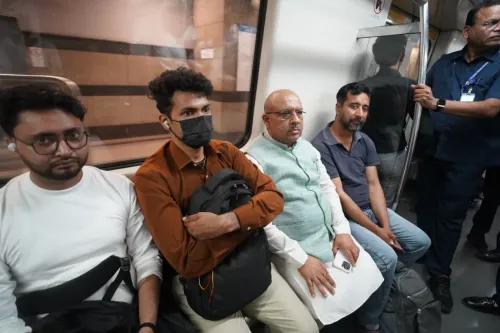
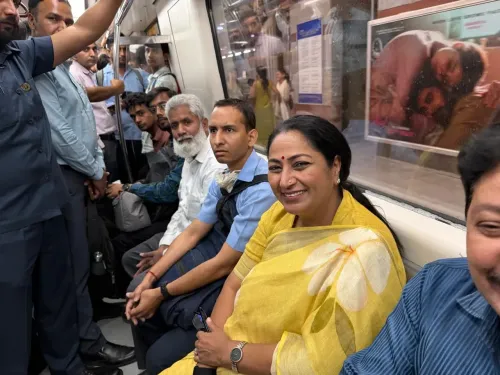
Every Monday is designated ‘Metro Monday’ — government employees and ministers are directed to use public transport.
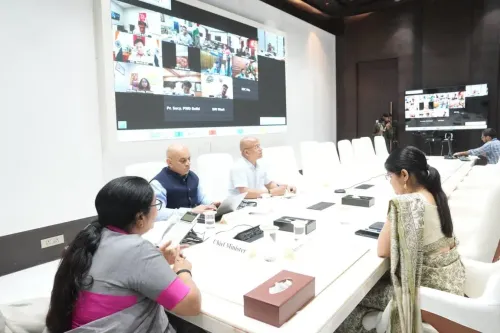
The Delhi government announced two work-from-home days per week for non-essential services and a one-year ban on official foreign tours.
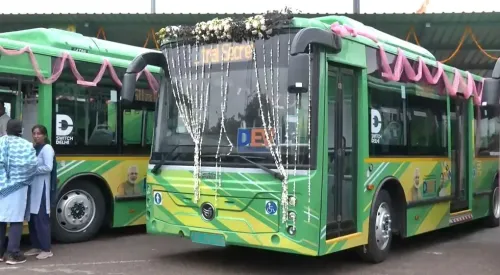
58 feeder buses will connect 29 government colonies to Metro stations under the new route plan.
A ‘ Mera Bharat, Mera Yogdan ’ public campaign has been launched to promote fuel saving and indigenous resource use.
Delhi Chief Minister Rekha Gupta on Thursday, 14 May fired back at Opposition leaders for politicising her government's fuel-conservation drive, accusing them of double standards after they labelled her austerity measures a ‘proof of failure.’ The pushback came a day after Gupta launched a sweeping green mobility initiative aligned with Prime Minister Narendra Modi’s ‘Nation First’ appeal.
What Triggered the Standoff
The row erupted after CM Gupta announced a reduction in her official convoy, directed ministers and officials to prioritise Metro services, buses, and electric vehicles (EVs), and declared every Monday a ‘Metro Monday’ for government employees. Opposition parties responded by framing the moves as an admission of administrative failure rather than a policy choice.
Gupta rejected that reading sharply. ‘We have done exactly that today. But will Opposition leaders now have the courage to step out on the roads after giving up their attachment to luxury?’ she said, challenging them to match the government’s actions.
Key Measures Announced
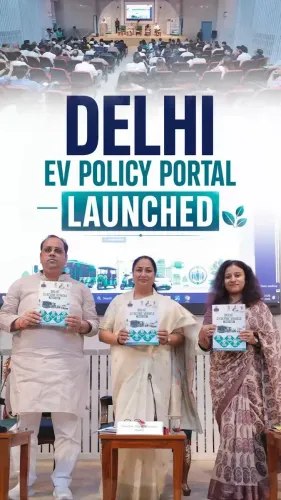
As part of the initiative, the Chief Minister led by example, travelling to the 14th convocation ceremony of Dr B. R. Ambedkar University in an electric vehicle with minimal security. Her convoy will now be capped at four vehicles. The Delhi government also announced:
• Two work-from-home days per week for non-essential services.
• A freeze on official foreign tours for ministers and officials for one year.
• Curtailment of large government events.
• Special route plans for 58 feeder buses connecting 29 government colonies to Metro stations.
A ‘Mera Bharat, Mera Yogdan’ campaign was also launched to convert the fuel-saving call into a public movement.
CM Gupta’s Argument
Gupta argued that ‘saving petrol and promoting the use of indigenous resources is a matter of national policy, not politics.’ She drew a distinction between what she called ‘visionary leaders’ who alert the public to emerging challenges and ‘opportunistic politicians’ who, she alleged, thrive on fear and confusion.
‘We have chosen green mobility over VIP culture. It is our responsibility towards future generations,’ she said, framing the convoy reduction not as austerity born of fiscal stress but as a deliberate cultural shift in governance.
Broader Context
The initiative fits into a wider national conversation around fuel import dependency and environmental accountability. India remains one of the world’s largest crude importers, and any sustained reduction in government fuel consumption carries symbolic as well as marginal fiscal value. This is also not the first time a state government has announced convoy-reduction measures — similar pledges have been made by administrations across party lines, with varying degrees of follow-through.
Whether the Delhi government’s measures translate into measurable fuel savings or remain largely symbolic will depend on implementation and independent monitoring — a point critics are likely to revisit in the months ahead.
Point of View
Work-from-home orders fade, and feeder bus plans stall in procurement. The ‘Mera Bharat, Mera Yogdan’ branding suggests this is as much about optics as operations. The real accountability test will come in six months, when independent observers can ask how many ministers actually took the Metro — and how many vehicles are still in the Chief Minister’s motorcade.
NationPress
5 Oct 2026
Frequently Asked Questions
What fuel-saving measures has the Delhi government announced?
The Delhi government has capped CM Rekha Gupta’s convoy at four vehicles, declared every Monday a ‘Metro Monday’ for officials, introduced two work-from-home days per week for non-essential services, frozen official foreign tours for one year, and planned 58 feeder buses to link 29 government colonies to Metro stations.
Why did CM Rekha Gupta criticise the Opposition?
Gupta accused Opposition leaders of double standards — they had earlier demanded the government lead by example on fuel saving, but then labelled her austerity measures a ‘proof of failure’ once she acted. She called their response politically motivated.
What is the ‘Mera Bharat, Mera Yogdan’ campaign?
It is a public fuel-conservation campaign launched by CM Gupta to extend PM Modi’s ‘Nation First’ call into a mass movement. It encourages citizens, ministers, and officials to adopt public transport, carpooling, and electric vehicles for daily commutes.
Did CM Gupta herself adopt the new green mobility measures?
Yes. She travelled to the 14th convocation ceremony of Dr B. R. Ambedkar University in an electric vehicle with minimal security, signalling a personal commitment to the policy before directing ministers and officials to follow suit.
How does this fit into India’s broader energy context?
India is one of the world’s largest crude oil importers, making government-level fuel conservation both a fiscal and strategic priority. State-level initiatives like Delhi’s, if sustained, contribute marginally to reducing import dependency, though their primary impact is often symbolic and behavioural.