Delhi govt expands WFH policy to 2 days a week after Metro Monday success
Synopsis
Delhi has moved beyond a one-off 'Metro Monday' experiment — the state government has now locked in a two-day-a-week WFH policy for ministers and employees, while the city's business community has pledged carpooling and flexible work at their own offices. It is a rare case of a state government converting a PM-led appeal into a structured, recurring policy.
Key Takeaways
Delhi government has formalised a two-day WFH policy every Wednesday and Saturday for ministers and employees.
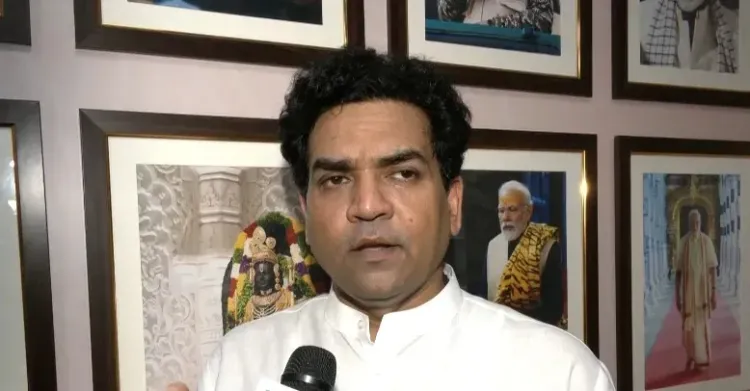
Minister Kapil Mishra confirmed the policy on 20 May , working remotely himself on Wednesday.
Chief Minister Rekha Gupta is managing official duties through the Jan Seva Kendra while conducting meetings online. 'Metro Monday' drove enough ridership to prompt the Delhi Metro to increase trips and the DTC to expand feeder services.
Representatives of major businesses and the Delhi CII chapter have pledged to adopt WFH and carpooling at their workplaces.
The initiative is aligned with Prime Minister Narendra Modi's appeal for fuel conservation and sustainable urban mobility.
Delhi Minister Kapil Mishra on Wednesday, 20 May confirmed that the Delhi government has scaled up its work-from-home initiative to two days a week — Wednesdays and Saturdays — following the strong public response to the 'Metro Monday' campaign and in line with Prime Minister Narendra Modi's appeal to conserve fuel and promote sustainable urban mobility.
The Two-Day WFH Policy
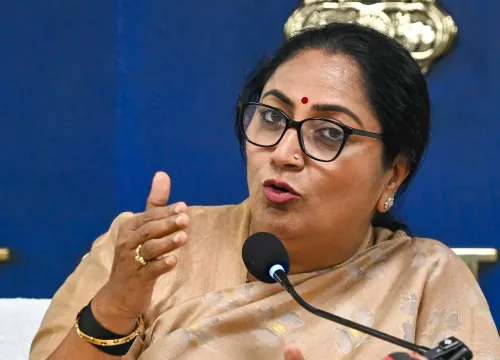
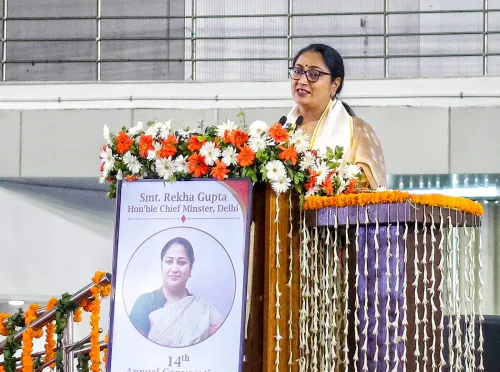
Minister Mishra stated that Chief Minister Rekha Gupta has formally decided to implement the two-day work-from-home schedule for government employees and ministers. Mishra himself worked remotely on Wednesday, conducting most official engagements online. 'Following the appeal of the Prime Minister, the entire nation is standing together. The Chief Minister of Delhi has also taken a decision to implement work from home for two days a week, on Wednesdays and Saturdays,' he said.
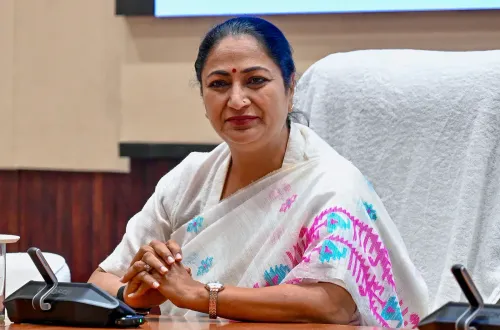
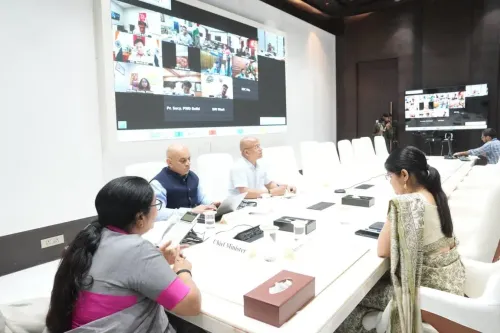
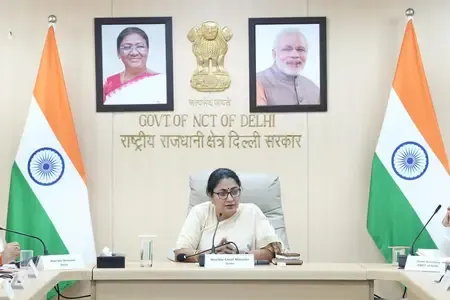
Chief Minister Gupta is reportedly managing official duties through the Jan Seva Kendra, while ministers and senior officials are holding the majority of their meetings through virtual platforms.
Metro Monday's Visible Impact
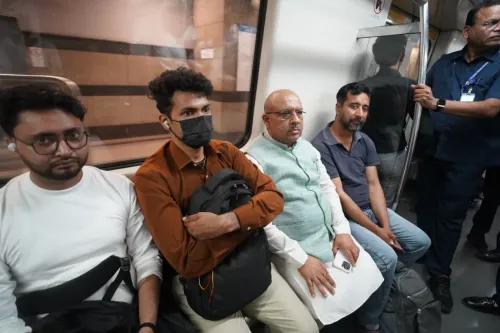
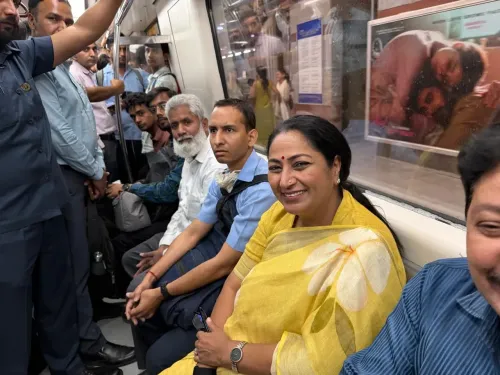
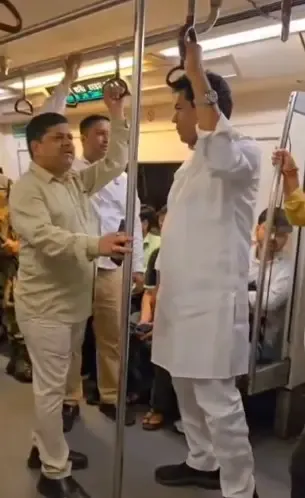
The 'Metro Monday' initiative — which encouraged residents to switch from private vehicles to public transport at least once a week — has drawn notably strong participation, according to Mishra. The surge in commuters prompted the Delhi Metro to increase the frequency of its trips, and the Delhi Transport Corporation (DTC) expanded its feeder services to accommodate demand.
'More people are actively taking part in this initiative, road traffic is also seen to be reduced, and it appears that gradually this is becoming a part of people's lifestyle,' Mishra said. This comes amid growing pressure on Delhi's administration to address chronic traffic congestion and air quality concerns in the capital.
Business Community Joins the Push
On Tuesday evening, Minister Mishra held a meeting with representatives of major business establishments and the Delhi chapter of the Confederation of Indian Industry (CII). 'Representatives from almost all major business institutions were present. During the meeting, they decided to include work from home and carpooling at their workplaces,' he said.
The private sector's buy-in is significant — a large portion of Delhi's peak-hour traffic is driven by office commuters, and corporate adoption of flexible work policies could amplify the impact of government-led measures.
Broader Context and What Comes Next
The Delhi government's push is part of a wider, nationally coordinated effort following Prime Minister Modi's appeal for fuel conservation and greater use of shared mobility. Notably, this is among the first instances of a state government institutionalising WFH as a regular, policy-backed practice rather than an emergency measure.
Whether the two-day schedule translates into measurable reductions in fuel consumption and vehicular emissions will depend on sustained compliance from both government and the private sector. Officials have indicated that the campaign is expected to deepen, with more businesses and institutions likely to be brought on board in the coming weeks.
Point of View
Which is rare in Indian state governance. The real test is compliance: government employees working from home is enforceable in principle, but private-sector adoption depends entirely on voluntary buy-in from CII members. Notably, neither the fuel savings nor the traffic reduction figures have been independently quantified yet, making the campaign's impact difficult to assess beyond anecdotal road observations. If Delhi does publish measurable outcomes, it could set a template other congested metros — Mumbai, Bengaluru, Hyderabad — would find hard to ignore.
NationPress
5 Oct 2026
Frequently Asked Questions
What is Delhi's new work-from-home policy?
The Delhi government has introduced a two-day-a-week WFH policy for ministers and government employees, covering every Wednesday and Saturday. The decision was announced by Minister Kapil Mishra on 20 May, in line with PM Modi's appeal to conserve fuel and reduce traffic congestion.
What is the 'Metro Monday' initiative in Delhi?
'Metro Monday' is a Delhi government campaign that encourages residents to use public transport — particularly the Delhi Metro — instead of private vehicles at least once a week. The initiative drew strong public participation, prompting the Metro to increase trip frequency and the DTC to expand feeder services.
Who announced the two-day WFH policy for Delhi?
Delhi Minister Kapil Mishra confirmed the policy on Wednesday, 20 May. He attributed the decision to Chief Minister Rekha Gupta, who has also been managing official work through the Jan Seva Kendra while conducting meetings online.
Has Delhi's business community supported the WFH and Metro Monday campaigns?
Yes. Following a meeting on Tuesday evening between Minister Mishra and representatives of major businesses and the Delhi chapter of the Confederation of Indian Industry (CII), the private sector pledged to adopt WFH and carpooling policies at their workplaces.
Why is PM Modi's appeal relevant to Delhi's WFH push?
Prime Minister Narendra Modi had appealed to citizens and governments to conserve fuel and promote sustainable mobility. Delhi's WFH policy and Metro Monday initiative are direct responses to that appeal, positioning the state as an early adopter of nationally coordinated urban sustainability measures.