BJP's 'Mera Bharat Mera Yogdan' campaign: Fuel, gold, and lifestyle cuts
Synopsis
The BJP has rolled out a sweeping lifestyle-change campaign that goes far beyond fuel — asking citizens to skip gold purchases, cut edible oil use, halve chemical fertiliser consumption, and avoid foreign travel. Framed as a patriotic response to West Asia-driven energy stress, 'Mera Bharat, Mera Yogdan' is one of the most ambitious civilian mobilisation drives a ruling party has launched in peacetime India.
Key Takeaways
BJP launched the 'Mera Bharat, Mera Yogdan' campaign on 17 May in response to PM Modi's fuel conservation appeal.
Citizens are urged to avoid private vehicles at least one day per week and adopt carpooling, metro, and public transport.
The campaign asks people to refrain from buying gold , postpone non-essential foreign travel, and back Swadeshi products.
BJP offices nationwide have been tasked with cutting power and fuel usage by 50 per cent .
Households are asked to reduce edible oil consumption by 10 per cent and chemical fertiliser use by 50 per cent .
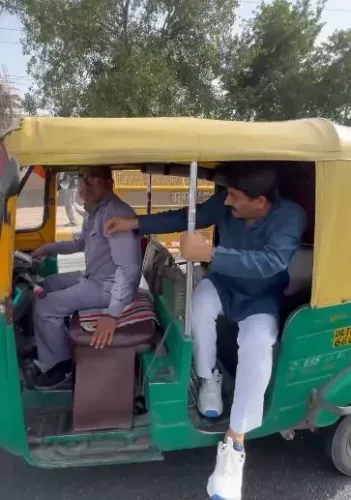
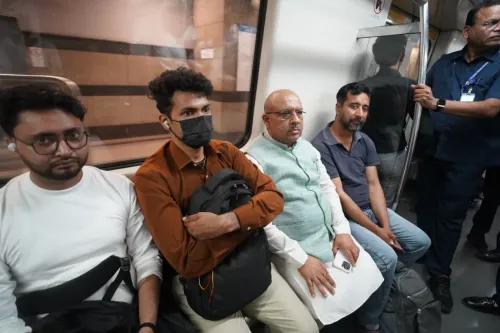
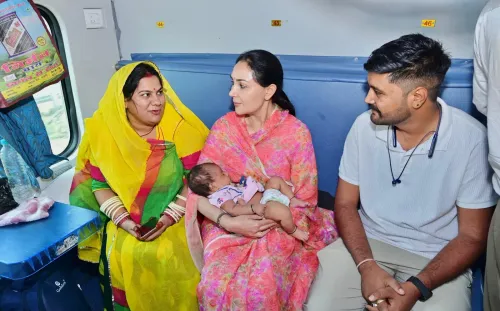
Several Union Ministers and Chief Ministers have already downsized convoys and switched to Metro and electric vehicles .
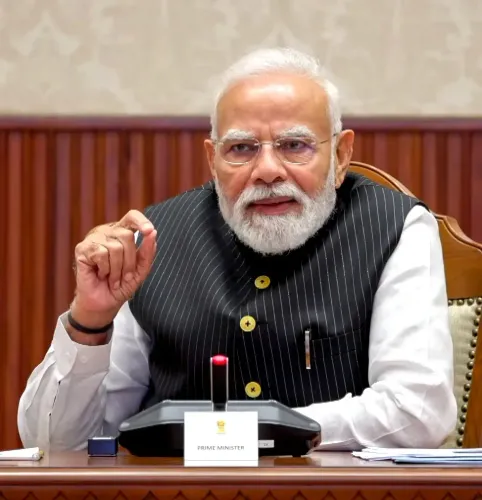
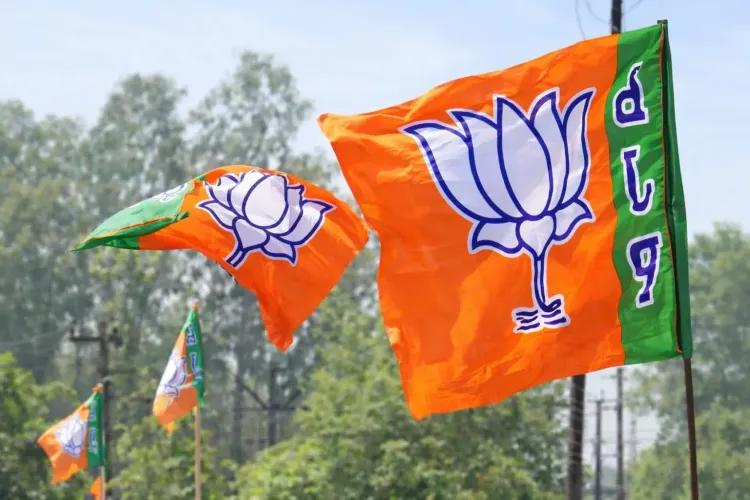
The Bharatiya Janata Party (BJP) on Sunday, 17 May launched a nationwide public awareness drive titled 'Mera Bharat, Mera Yogdan' — translating to 'My India, My Contribution' — in direct response to Prime Minister Narendra Modi's appeal for citizens to reduce fuel consumption as geopolitical tensions in West Asia continue to strain global energy supplies. The campaign marks one of the most structured civilian mobilisation efforts by a ruling party in recent years, extending well beyond fuel conservation into consumption habits, travel, and agricultural practices.
What the Campaign Asks of Citizens
The initiative sets out a broad behavioural checklist for both party workers and the general public. Citizens are encouraged to increase use of carpooling, the metro, and other forms of public transport, and to avoid private vehicles on at least one day per week. Virtual and online meetings are being promoted, alongside work-from-home arrangements for one to two days weekly, to reduce both fuel and electricity consumption.
Beyond energy, the campaign calls on citizens to refrain from purchasing gold, postpone non-essential foreign travel, and actively support Swadeshi (domestically produced) goods. Households are asked to cut edible oil consumption by 10 per cent and reduce chemical fertiliser use by 50 per cent, with a push toward natural and organic farming.
How BJP Leaders Are Leading by Example
Several Union Ministers, Chief Ministers, and senior party leaders have already begun implementing fuel-saving measures, reportedly switching to Metro travel and electric vehicles and significantly downsizing their official convoys. In NDA-ruled states, convoy reductions have been particularly visible following the Prime Minister's directive.
Internally, the party has set a target to cut power and fuel consumption by 50 per cent across all BJP offices nationwide. Directives have also been issued to limit the scale of public welcome events and cap the number of vehicles in leaders' motorcades — a notable shift in the culture of political pageantry.
The Geopolitical Context
The campaign comes amid an intensifying conflict in West Asia that has raised concerns about global fuel supply chains and energy security. India, which imports a significant share of its crude oil requirements, is particularly exposed to price shocks triggered by Middle East instability. This is not the first time an Indian government has appealed for conservation during a global energy stress event, but the structured, party-driven mobilisation at this scale is relatively uncommon.
Notably, the campaign's scope — spanning fuel, gold imports, foreign exchange outflows, and agricultural inputs — suggests a broader economic anxiety behind the messaging, even as officials frame it primarily as a patriotic and environmental call to action.
What Happens Next
Party leaders and workers are expected to integrate the campaign's principles into ongoing BJP programmes and outreach activities. The push for lifestyle changes, if sustained, could have downstream effects on urban mobility patterns and retail consumption in the weeks ahead. Whether the voluntary measures translate into measurable energy savings will depend on public uptake beyond the party's own cadre.
Point of View
But the campaign's breadth — touching imports, agriculture, and foreign exchange — reads like a pre-emptive buffer against a wider economic squeeze. The real question is durability: India has seen conservation appeals before, and without enforcement or incentive structures, voluntary drives tend to fade within weeks of the launch headline. Whether 'Mera Bharat, Mera Yogdan' outlasts the news cycle will depend on whether the party's own cadre sustains it visibly — and whether citizens see reciprocal sacrifice from the political class beyond convoy trims.
NationPress
20 Oct 2026
Frequently Asked Questions
What is the BJP's 'Mera Bharat, Mera Yogdan' campaign?
'Mera Bharat, Mera Yogdan' is a nationwide public awareness campaign launched by the BJP on 17 May, urging citizens to conserve fuel, reduce gold purchases, support Swadeshi products, and adopt simpler lifestyles. It was initiated in response to Prime Minister Narendra Modi's appeal for energy conservation amid the West Asia conflict.
Why has the BJP launched this campaign now?
The campaign follows rising geopolitical tensions in West Asia, which have intensified global concerns about fuel supply and energy security. India, a major crude oil importer, is vulnerable to price shocks from Middle East instability, prompting the government and the ruling party to call for voluntary conservation measures.
What specific lifestyle changes are being asked of citizens?
Citizens are asked to use public transport or carpool and avoid private vehicles at least one day a week, work from home one to two days weekly, abstain from buying gold, postpone non-essential foreign travel, reduce edible oil consumption by 10 per cent, and cut chemical fertiliser use by 50 per cent.
How are BJP leaders participating in the campaign?
Several Union Ministers, Chief Ministers, and senior BJP leaders have reportedly switched to Metro travel and electric vehicles, and have reduced the size of their official convoys. In NDA-ruled states, convoy downsizing has been particularly prominent following PM Modi's directive.
What is the energy-saving target for BJP offices?
BJP offices across India have been set a target of reducing power and fuel consumption by 50 per cent as part of the campaign's internal compliance measures.