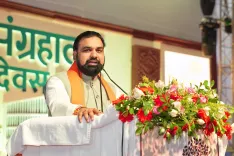
Bihar CM Pays Tribute to Sant Guru Ravidas Ji
Synopsis
Bihar's Chief Minister has paid tribute to Sant Guru Ravidas Ji, citing the 15th-century Bhakti saint's teachings on equality and social harmony as an enduring inspiration for unity and equal opportunity in society.
Key Takeaways
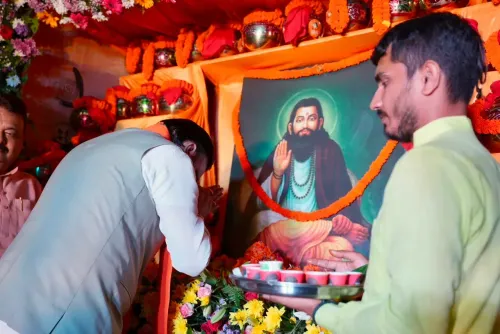
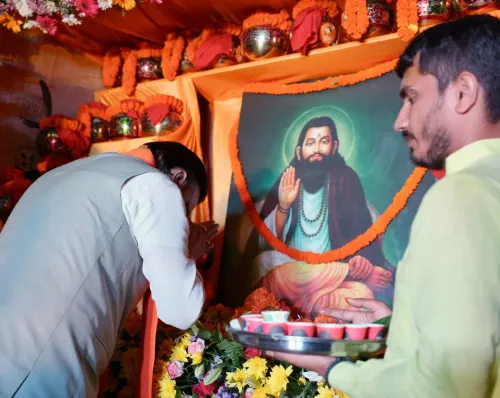
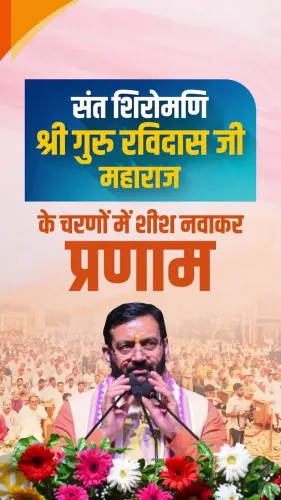
The Chief Minister's Office of Bihar shared the CM's tribute to Sant Guru Ravidas Ji on 7 August 2026 .
The CM credited Ravidas Ji with 'paving the way for uniting society, equality, and social harmony.' Sant Guru Ravidas Ji was a 15th–16th century Bhakti-movement saint born near Varanasi , known for opposing caste discrimination.
His devotional compositions are included in the Guru Granth Sahib and hold deep significance for Dalit communities.
Bihar leaders regularly invoke Bhakti-era reformers in official messaging, reflecting the state's caste-diverse demographics and political landscape.
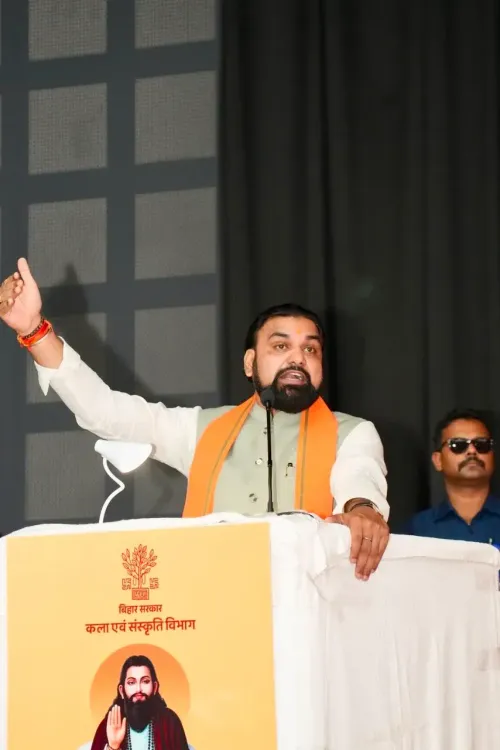
A message of unity and equality from one of India's most revered Bhakti-era saints found fresh voice in Bihar's seat of power. The Chief Minister's Office of Bihar shared remarks by the Chief Minister honouring Sant Guru Ravidas Ji, underscoring his enduring legacy of social harmony and equal opportunity.
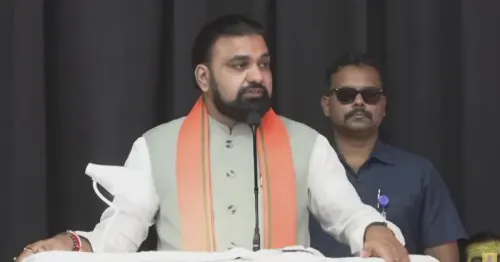
The Chief Minister stated: 'Sant Guru Ravidas Ji paved the way for uniting society, equality, and social harmony. His thoughts continue to inspire unity, goodwill, and equal opportunity in society even today.'
A 15th-Century Voice That Still Resonates
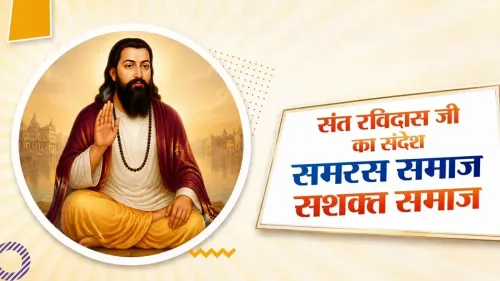
Sant Guru Ravidas Ji, born near Varanasi in the 15th–16th century, was a towering figure of the Bhakti movement. He composed devotional poetry that cut through caste hierarchies, preaching that spiritual worth had nothing to do with birth. His verses are enshrined in the Guru Granth Sahib and remain central to Dalit cultural identity across northern India.
His philosophy — samanta aur samajik samrasta (equality and social harmony) — was radical in its time. It remains politically and socially resonant in a state like Bihar, where caste dynamics shape both governance and public discourse.
Bihar's Pattern of Invoking Bhakti-Era Reformers
This tribute fits a consistent pattern in Bihar's political communication. Leaders across the state regularly invoke saints such as Guru Ravidas to signal commitment to social justice and inclusive governance — particularly around commemorative occasions linked to Bhakti-era reformers. With Guru Ravidas Jayanti drawing significant observance each year, such official statements serve both cultural and political purposes in a caste-diverse electorate.
The message is directed at Dalit communities and the broader Bihar public, reinforcing the state government's alignment with the values of equality and social cohesion that Ravidas Ji championed centuries ago.
Centuries after his death, Guru Ravidas Ji's call for a society without walls of caste or creed still lands — and Bihar's corridors of power are still listening.
Point of View
Making him a rare unifying figure in a politically fragmented state. The Chief Minister's emphasis on 'equal opportunity' alongside spiritual unity reflects a deliberate framing that bridges cultural reverence with contemporary welfare politics. Watch whether this statement is followed by a concrete programme announcement around Guru Ravidas Jayanti, which would convert symbolism into policy.
NationPress
8 Aug 2026
Frequently Asked Questions
Who was Sant Guru Ravidas Ji?
Sant Guru Ravidas Ji was a 15th–16th century saint-poet of the Bhakti movement, born near Varanasi, who preached social equality, opposed caste discrimination, and composed devotional poetry included in the Guru Granth Sahib.
Why did Bihar CM pay tribute to Guru Ravidas Ji?
The Chief Minister honoured Guru Ravidas Ji for his teachings on social harmony, equality, and unity — values the Bihar government regularly highlights in official messaging, particularly around Bhakti-era commemorations.
What did Bihar CM say about Guru Ravidas Ji?
The CM stated that Guru Ravidas Ji 'paved the way for uniting society, equality, and social harmony,' and that his thoughts continue to inspire unity, goodwill, and equal opportunity even today.
What is Guru Ravidas Jayanti?
Guru Ravidas Jayanti is the annual celebration of Sant Guru Ravidas Ji's birth anniversary, widely observed by Dalit communities and devotees across northern India, including Bihar.
Why is Guru Ravidas Ji significant for Dalit communities?
Guru Ravidas Ji is a central spiritual and cultural figure for Dalit communities because his teachings directly challenged caste hierarchy and asserted the dignity and equality of all people regardless of birth.