Bihar CM Calls for Global Push to Preserve Folk Arts
Synopsis
Chief Minister Nitish Kumar has declared global promotion of Bihar's culture, civilisation, and folk arts a top state priority, urging youth to preserve and pass on folk traditions and Indian heritage to future generations.
Key Takeaways
Bihar CM Nitish Kumar has identified global recognition of the state's culture and folk arts as one of the government's highest priorities.
He made a direct appeal to Bihar's youth to internalise, conserve, and transmit folk art and cultural heritage to future generations.
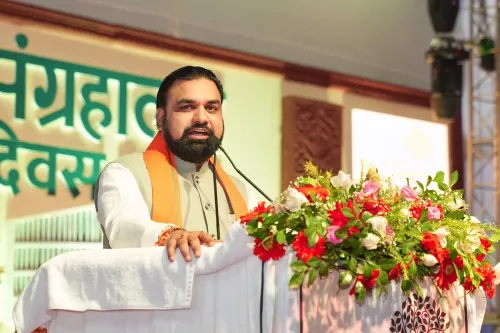
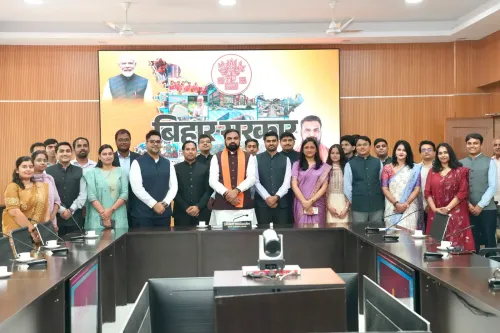
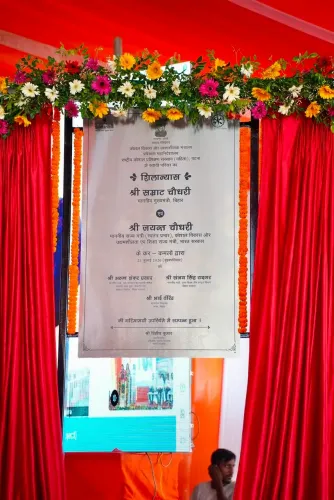
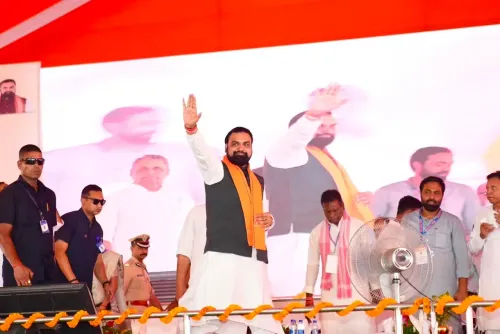
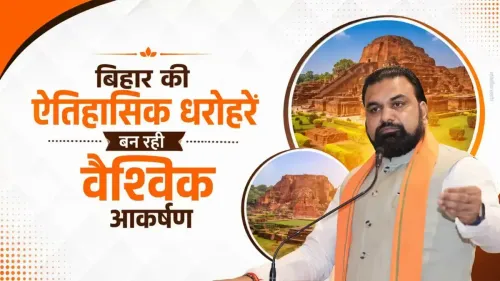
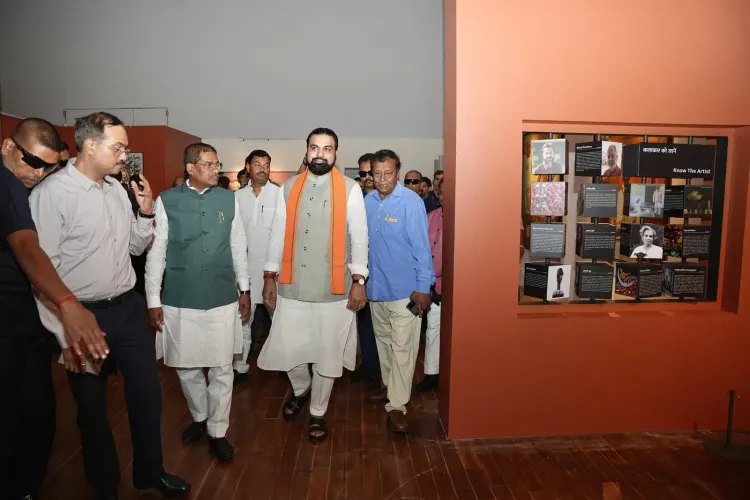
The statement was shared by the Chief Minister's Office of Bihar on 8 August 2026 , accompanied by four images.
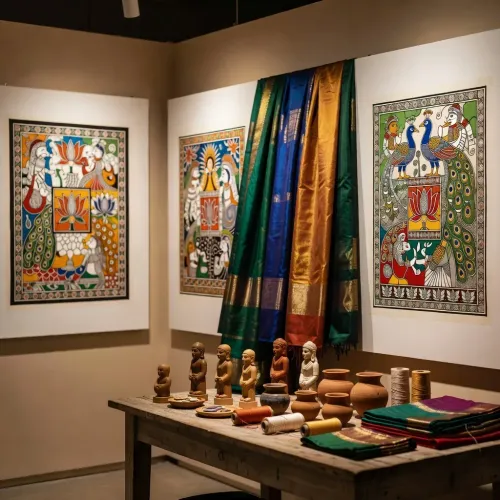
Bihar's living folk traditions include Madhubani art , Sujani embroidery , and Chhath Puja — all with potential for international cultural projection.
The framing of 'global recognition' positions Bihar's heritage as a soft-power and tourism asset, not merely a domestic preservation goal.
Bihar's ancient folk traditions — from Madhubani paintings to Chhath rituals — are getting a fresh political champion. Chief Minister Nitish Kumar has declared that giving Bihar's culture, civilisation, and folk arts global recognition stands among the state government's highest priorities, while calling on the state's youth to absorb, protect, and carry forward their cultural heritage to future generations.
The Chief Minister's Office of Bihar shared the remarks on Saturday, 8 August 2026, posting in Hindi: 'बिहार की संस्कृति, सभ्यता और लोक कला को वैश्विक पहचान दिलाना राज्य सरकार की सर्वोच्च प्राथमिकताओं में है' — 'Giving global recognition to Bihar's culture, civilisation, and folk arts is among the state government's highest priorities.' The post, accompanied by four images, also carried a direct appeal to youth to 'internalise and conserve folk art, cultural heritage, and Indian traditions' and pass them on to coming generations.
Why Bihar's Heritage Push Carries Weight
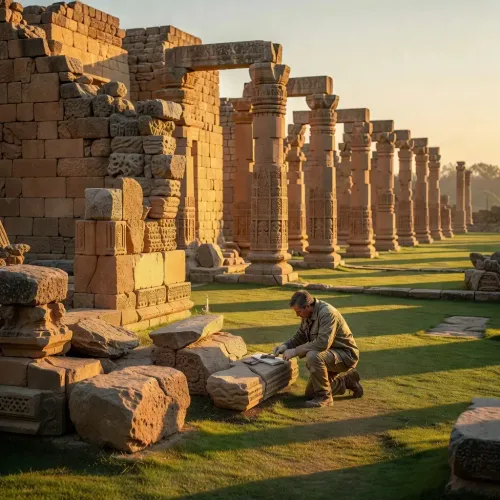
Bihar is not starting from a blank slate. The state sits atop one of the subcontinent's oldest civilisational layers — home to Nalanda, the ancient seat of Buddhist learning; the Vajjian Confederacy, one of the world's earliest republican experiments; and a living folk tradition that includes Madhubani art, Sujani embroidery, and the globally observed Chhath Puja. These are not museum artefacts. They are practised, breathing traditions — and they have struggled for formal state support against decades of economic migration and underfunding. Kumar's framing — 'global recognition' rather than mere domestic preservation — signals an ambition that goes beyond heritage tourism. It positions Bihar's folk identity as a soft-power asset, echoing a broader national trend in which state governments use cultural distinctiveness to attract investment, diaspora engagement, and international visibility.Youth as the Custodians the State Is Betting On
The direct appeal to Bihar's youth is pointed. The state has one of India's youngest demographic profiles, and a large share of its working-age population has historically migrated to other states for employment. Asking young Bihari men and women to become active custodians of folk traditions — not passive observers — is both a cultural and a political statement: that pride in heritage can be a reason to stay, to build, and to represent Bihar on a world stage. State governments across India have increasingly tied cultural promotion to identity-building and tourism revenue. For Bihar, where folk artists have long operated outside formal economic support structures, a sustained government push could mean training programmes, international cultural exchanges, or dedicated heritage festivals. Whether those commitments materialise in policy and budget will be the real test of the priority Kumar has proclaimed.Point of View
Especially with a young, migration-prone electorate that needs reasons to feel pride in home. The real policy question is whether the rhetoric translates into funded schemes for folk artists and structured youth programmes, or remains aspirational messaging. If Bihar follows through with international cultural exchanges and heritage tourism investment, it could carve a distinctive soft-power lane — but the gap between CM statements and budget allocations in cultural ministries has historically been wide.
NationPress
8 Aug 2026
Frequently Asked Questions
What did Bihar CM Nitish Kumar say about folk art and culture?
Nitish Kumar said giving global recognition to Bihar's culture, civilisation, and folk arts is among the state government's highest priorities, and called on youth to preserve and pass on these traditions.
What folk arts and traditions is Bihar known for?
Bihar is known for Madhubani painting , Sujani embroidery , Chhath Puja , and a range of other folk music and craft traditions rooted in its ancient civilisational heritage.
Why is the Bihar government focusing on cultural promotion?
Cultural promotion is linked to identity-building, diaspora engagement, and tourism revenue. For Bihar, it also serves as a message to the state's large youth population to take pride in and actively preserve local heritage.
What could 'global recognition' for Bihar culture look like in practice?
It could involve international cultural exchange programmes, state-backed folk art training, heritage festivals, and promotional campaigns targeting the Bihari diaspora and global tourism circuits.
Who is the Chief Minister of Bihar?
Nitish Kumar is the Chief Minister of Bihar, a long-serving leader known for focusing on state development alongside cultural and heritage initiatives.