Bihar CM Thanks Amit Shah, Nitish for Sitamarhi Sita Temple Push

Synopsis
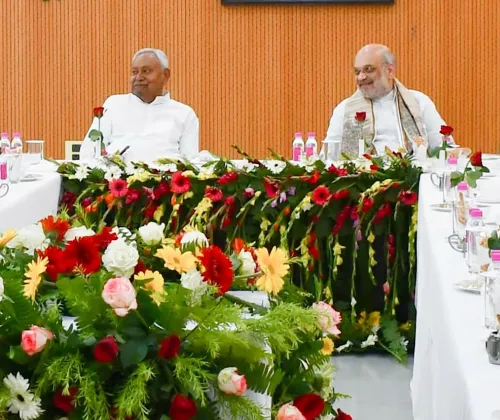
Bihar's Chief Minister publicly thanked Union Minister Amit Shah and former CM Nitish Kumar for supporting the proposed grand Mata Sita temple in Sitamarhi, saying the project will give new identity to the state's cultural and religious heritage.
Key Takeaways
Bihar's Chief Minister expressed formal gratitude to Amit Shah and Nitish Kumar for backing the Sitamarhi temple project.
The proposed grand temple in Sitamarhi is intended to honour Mata Sita at her traditionally recognised birthplace in Bihar.
The CM stated the temple will give 'a new identity' to Bihar's cultural and religious heritage.
The project aligns with the central government's Swadesh Darshan Ramayana Circuit , launched in 2014-15 .
Formal approvals, land acquisition details, and funding arrangements have not yet been publicly confirmed.
Pilgrims, Sitamarhi residents, and the broader religious tourism sector are the primary stakeholders.
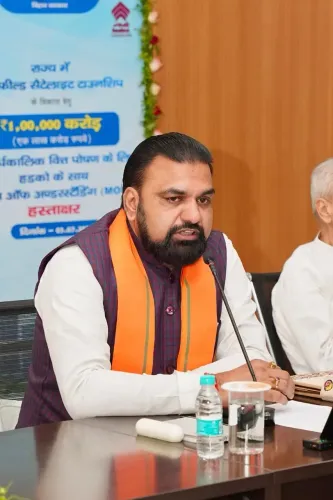
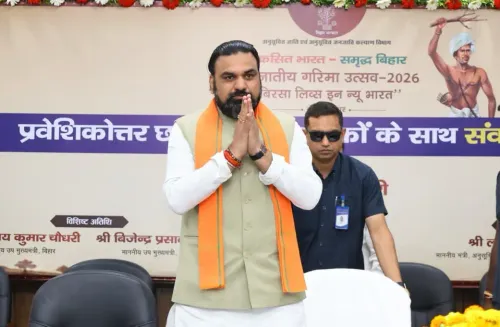
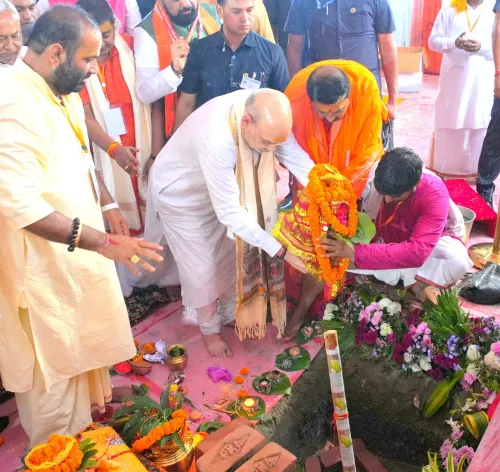
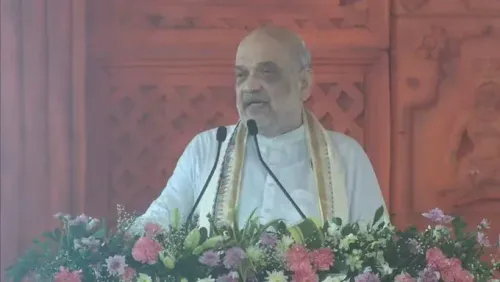
The Chief Minister's Office of Bihar announced on Sunday, 12 July 2026 that the state's Chief Minister expressed gratitude to Union Home and Cooperation Minister Amit Shah and former Chief Minister Nitish Kumar for their support toward the construction of a grand temple dedicated to Mata Sita in Sitamarhi, the district traditionally regarded as her birthplace.
The Chief Minister, in remarks shared by the official CMO account, stated that 'सीतामढ़ी में माता सीता के भव्य मंदिर का निर्माण राज्य की सांस्कृतिक एवं धार्मिक विरासत को नई पहचान प्रदान करेगा' — ('the construction of a grand temple of Mata Sita in Sitamarhi will give a new identity to the state's cultural and religious heritage').
Context
Sitamarhi, a district in northern Bihar, holds a central place in Ramayana lore as the reputed birthplace of Goddess Sita. The district already draws pilgrims to existing shrines, but proponents of the new temple project argue that a grander, purpose-built structure would better serve the growing volume of devotees and tourists visiting the region.
The Chief Minister's public acknowledgment of both Amit Shah and Nitish Kumar signals cross-party and centre-state alignment behind the proposal — a notable political signal given Bihar's coalition dynamics.
Policy Backdrop
The project fits within a broader national framework of developing religious and heritage corridors tied to the Ramayana. The Government of India's Swadesh Darshan scheme, launched in 2014-15, identified a dedicated Ramayana Circuit covering key sites across multiple states, with several locations in Bihar included.
Bihar possesses a cluster of sites associated with the Ramayana — including Sitamarhi, Buxar, and Darbhanga — making coordinated centre-state investment in temple infrastructure and road connectivity a recurring policy conversation. The involvement of the Union Ministry of Home Affairs alongside state cultural departments reflects the multi-ministry character such projects typically require.
Stakeholders and Impact
Pilgrims, devotees, and residents of Sitamarhi stand as the most immediate stakeholders. A large-scale temple complex, if realised, would likely generate demand for hospitality, transport, and ancillary services, benefiting the local economy of one of Bihar's less-developed districts.
The broader tourism sector — particularly operators running Ramayana Circuit packages — could also see increased footfall if the temple is developed alongside improved road and rail connectivity. State and central tourism departments are expected to play coordinating roles in any formal project rollout.
What's Next
Formal milestones to watch include any official project approval, land acquisition notification, or a foundation-stone-laying ceremony that would move the Sitamarhi temple from announcement to execution. Funding allocation — whether through central schemes, state budget, or a public trust model — has not yet been publicly confirmed.
The Chief Minister's statement of gratitude suggests active political momentum behind the proposal. Whether that momentum translates into a concrete timeline will become clearer once government orders or tender documents are issued.
Point of View
And anchoring that ambition to a high-profile temple mirrors the playbook seen in Uttar Pradesh with the Ayodhya Ram temple corridor. The move also elevates Sitamarhi's profile ahead of what could be a significant infrastructure and pilgrimage economy push. Whether this announcement accelerates into formal project sanction or remains in the realm of political aspiration will be the defining test of the initiative's seriousness.
NationPress
12 Jul 2026
Frequently Asked Questions
Where is Mata Sita's birthplace according to Hindu tradition?
According to Ramayana tradition, Sitamarhi in northern Bihar is regarded as the birthplace of Mata Sita, and the district takes its name from this belief.
Why did Bihar's CM thank Amit Shah for the Sitamarhi temple?
Bihar's Chief Minister thanked Amit Shah , the Union Home and Cooperation Minister, for his support toward the proposed grand Mata Sita temple in Sitamarhi, indicating central government backing for the project.
What is the Swadesh Darshan Ramayana Circuit?
The Swadesh Darshan scheme , launched in 2014-15 , created thematic tourist circuits including a Ramayana Circuit covering key sites across India, with several locations in Bihar included.
What will the Sitamarhi Mata Sita temple mean for Bihar's tourism?
A grand temple complex in Sitamarhi is expected to boost religious tourism, generate local employment, and increase footfall on Bihar's Ramayana Circuit, benefiting hospitality and transport sectors.
Has the Sitamarhi Mata Sita temple been approved officially?
As of the 12 July 2026 announcement, formal project approval, land acquisition details, and funding arrangements for the Sitamarhi temple have not been publicly confirmed.