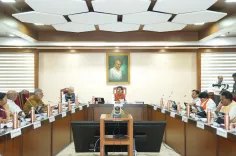
Bihar CMO: 100 of 129 Grievances Resolved at State Sahyog Camp
Synopsis
The Chief Minister's Office of Bihar reported that 100 of 129 registered applicants had their grievances resolved at a state-level sahayog programme on 14 July 2026, with beneficiaries publicly thanking CM Nitish Kumar for effective complaint disposal.
Key Takeaways
129 applications were registered at the state-level sahayog programme held on 14 July 2026 .
100 applicants were present and had their cases disposed of on the spot.
Citizens who benefited expressed gratitude toward Chief Minister Nitish Kumar .
The camp is part of Bihar's long-running sushasan (good governance) agenda, active since 2005 .
The Bihar Right to Public Services Act, 2011 provides the statutory framework that such camps operationalise.
Follow-up on the remaining 29 absent applicants and district-level replication are key points to watch.
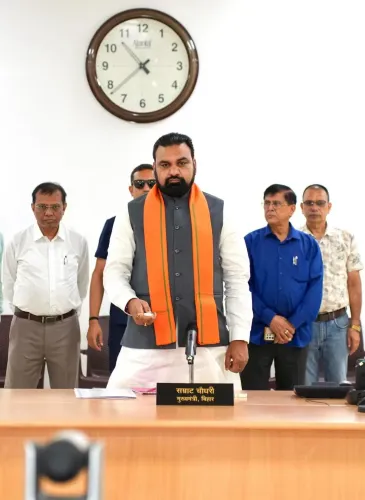
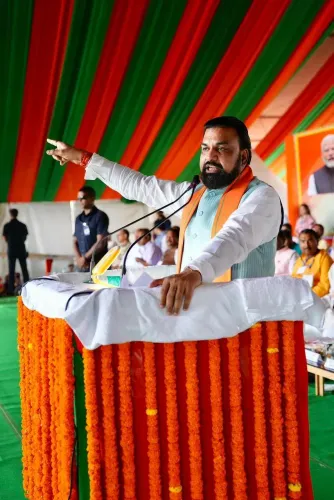
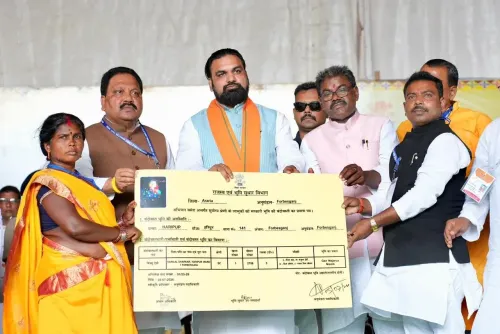
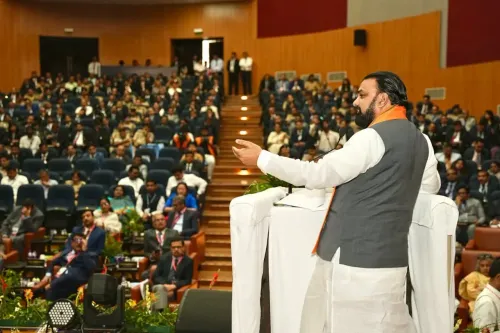
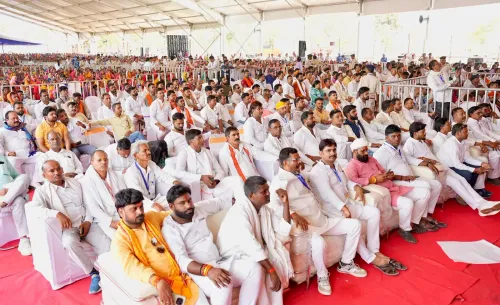
The Chief Minister's Office of Bihar announced on Tuesday, 14 July 2026 that a state-level sahayog (assistance) programme resolved grievances for 100 applicants out of 129 registered on the day, with beneficiaries expressing gratitude toward Chief Minister Nitish Kumar.
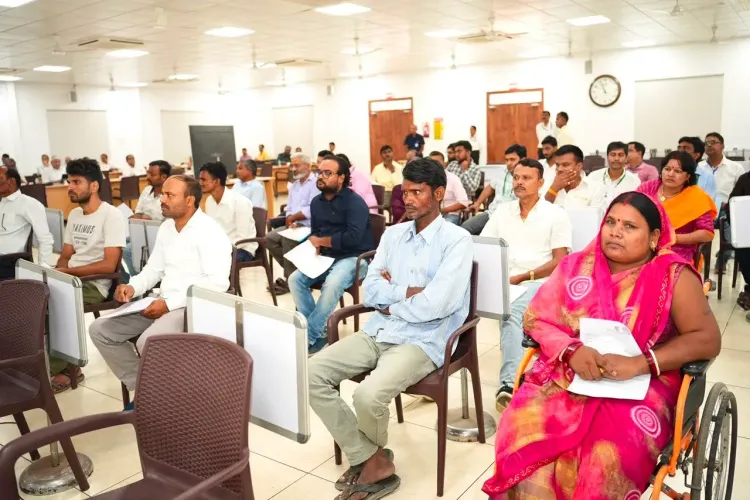
The CMO posted on X: 'Aaj aayojit rajya stareey sahayog karyakram mein kul 129 aavedan darj hue. Inmein se 100 aavedak upasthit hue, jinke mamlon ka nishpadan kiya gaya.' — 'At today's state-level sahayog programme, a total of 129 applications were registered. Of these, 100 applicants were present and their cases were disposed of.' Citizens who benefited from the effective resolution of complaints at the camp expressed gratitude toward the Chief Minister, according to the post.
Context
The sahayog camp is a single-window grievance redressal event where residents of Bihar can register complaints and receive on-the-spot disposal from officials. Such camps are periodically organised by the state administration to reduce pendency in public grievances and bring government services closer to citizens. The 14 July 2026 event was held at the state level, drawing applicants from across Bihar.Policy Backdrop
Grievance camps of this kind are rooted in the sushasan (good governance) agenda that has defined Nitish Kumar's administrations since 2005. Initiatives such as the Janata Darbar — a weekly open-court session where the Chief Minister directly hears public complaints — established the template for large-scale, accessible grievance mechanisms in the state. The Bihar Right to Public Services Act, 2011 further institutionalised this approach by creating statutory timelines within which government departments must dispose of applications, a framework that camps like today's sahayog karyakram are designed to operationalise on the ground.Stakeholders and Impact
The immediate beneficiaries are the 100 citizens whose cases were disposed of at the camp. The remaining 29 registered applicants who were absent represent a follow-up caseload for the administration. More broadly, the programme targets ordinary residents of Bihar — particularly those who face difficulty navigating departmental channels — by offering a single venue where multiple grievance categories can be addressed simultaneously. The CMO's public communication of attendance and disposal figures signals an intent to demonstrate administrative responsiveness and accountability to a wider audience.What's Next
The Bihar administration is expected to publish follow-up data on the disposal rate for cases registered at this and similar camps. District-level replication of the state sahayog model remains a watch point, as does the possible tabling of aggregate grievance statistics before the Bihar Legislative Assembly. Sustained high disposal rates at successive camps would strengthen the government's sushasan narrative ahead of future electoral cycles.Point of View
However, also invites scrutiny: independent verification of disposal quality, not just quantity, will determine whether the camps translate into durable relief for citizens. As Bihar's political calendar advances, the frequency and reach of such camps are likely to intensify as a visible proof-point of administrative responsiveness.
NationPress
14 Jul 2026
Frequently Asked Questions
What is the Bihar state-level sahayog karyakram?
The state-level sahayog karyakram is a government-organised grievance redressal camp in Bihar where citizens can register complaints and receive on-the-spot resolution from officials, held periodically as part of the state's sushasan initiative.
How many grievances were resolved at the Bihar sahayog camp on 14 July 2026?
According to the Chief Minister's Office of Bihar , 100 applicants were present and had their cases disposed of; a total of 129 applications had been registered for the camp.
What is Nitish Kumar's Janata Darbar?
Janata Darbar is a periodic open-court session introduced by Chief Minister Nitish Kumar in which the Chief Minister directly hears public grievances; it is a flagship element of his sushasan governance model, running since 2005 .
What is the Bihar Right to Public Services Act 2011?
The Bihar Right to Public Services Act, 2011 is a state law that mandates statutory timelines for government departments to dispose of public applications and grievances, providing the legal backbone for camps like the sahayog karyakram .
Who runs the Chief Minister's Office of Bihar?
The Chief Minister's Office of Bihar is the official administrative office supporting Chief Minister Nitish Kumar , who has led the state government since 2005 (with brief interruptions), and is responsible for coordinating governance initiatives including grievance redressal programmes.