CM Rio Eyes Cooperl Tie-Up to Modernise Nagaland Pig Farming
Synopsis
Nagaland Chief Minister Neiphiu Rio has publicly backed a proposed partnership with French pork cooperative Cooperl to modernise the state's pig-rearing sector. Rio says the tie-up offers scientific breeding and best practices for an industry central to Nagaland's culture and rural economy.
Key Takeaways
CM Neiphiu Rio endorsed a proposed partnership with Cooperl , a major French pork cooperative, on 14 July 2026 .
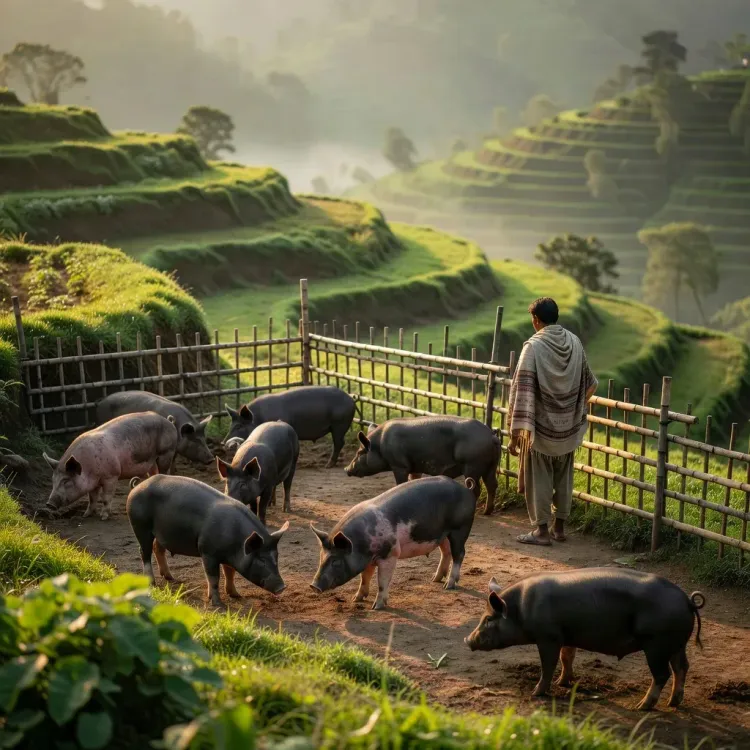
Nagaland is recognised as one of India's leading pig-rearing states, with the sector integral to tribal culture and rural livelihoods.
The partnership aims to introduce scientific breeding and modern best practices to an industry historically run on traditional methods.
Formal details — including any MoU, financial terms, and start date — have not yet been made public.
The move aligns with a broader northeastern trend of pursuing foreign technical partnerships to upgrade traditional livestock systems.
Key milestones to watch include a formal agreement signing, pilot farm timelines, and state budget provisions for farmer training.
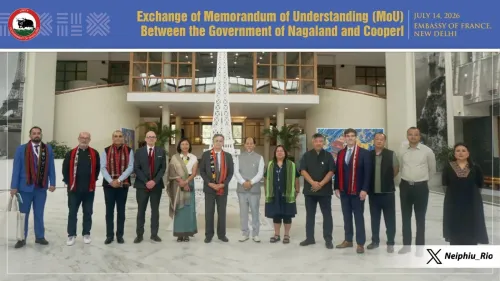
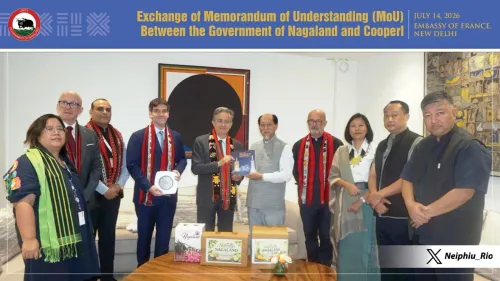
Nagaland Chief Minister Neiphiu Rio on Tuesday, 14 July 2026, highlighted a proposed partnership with French pork cooperative Cooperl, calling it an opportunity to modernise the state's pig-rearing sector through scientific breeding and best practices. Rio made the remarks in a post on X, underscoring the deep cultural and economic roots of pig farming in the northeastern state.
Context
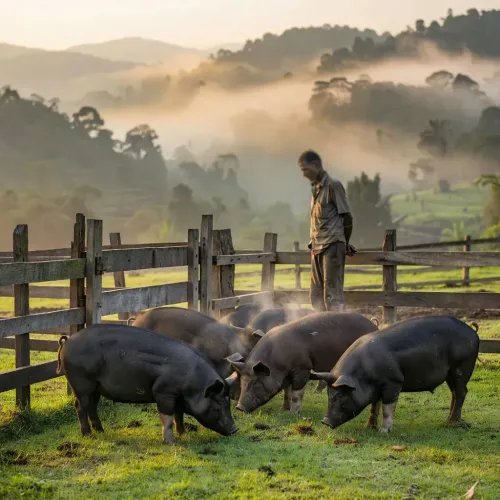
Pig rearing occupies a central place in Nagaland's rural economy and tribal culture. The Chief Minister noted that the state has 'long been recognised as one of India's leading pig-rearing States,' with the sector woven into household livelihoods across its hilly districts. Rio described the Cooperl partnership as a vehicle for bringing 'scientific breeding and best practices' to an industry that has historically relied on traditional methods.
The post is framed as a reply, suggesting Rio was responding to or amplifying a conversation already under way about the collaboration's potential. While formal details of the partnership — including any memorandum of understanding, financial terms, or start date — have not been made public, the Chief Minister's public endorsement signals active state-level interest.
Policy Backdrop
Nagaland's livestock policies have consistently identified piggery as a priority sector for employment and food security across successive planning cycles since the 2000s. The state's terrain — remote, hilly, and with limited arable flatland — makes livestock a more viable economic anchor than crop agriculture for many communities.
Cooperl, a major French agricultural cooperative, brings expertise in selective breeding, genetics, and integrated production systems. Northeastern states have increasingly pursued foreign technical partnerships to upgrade traditional livestock systems, and this potential tie-up fits that broader pattern. National animal husbandry frameworks have also encouraged state-level technology transfers aimed at reducing India's dependence on pork imports and strengthening domestic value chains.
Stakeholders and Impact
The primary beneficiaries, if the partnership materialises, would be Nagaland's pig farmers and rural households for whom pork production is both a source of income and a cultural practice. Improved breeding stock and modern husbandry techniques could raise productivity and farm-gate prices without necessarily displacing smallholder operations — a balance that state policy has long sought.
Broader supply-chain actors, including traders, processors, and consumers in the Northeast, stand to gain if the collaboration expands pork availability and quality. The partnership could also position Nagaland as a model for livestock modernisation among other northeastern states pursuing similar upgrades.
What's Next
Key developments to watch include the formal signing of any agreement between the Nagaland government and Cooperl, the establishment of pilot breeding or training farms, and any state budget allocations for infrastructure or farmer-training programmes under the initiative. Chief Minister Rio's public statement adds political momentum, but the partnership's scope and timeline will depend on negotiations that are still under way.
If the collaboration advances, it could mark a significant step in Nagaland's ambition to translate its traditional pig-rearing strength into a scientifically managed, commercially competitive industry — one that serves both rural livelihoods and the state's broader economic aspirations.
Point of View
Not merely preserve it. By invoking both cultural identity and economic modernisation in the same breath, Rio is navigating a politically sensitive balance — appealing to tribal communities for whom pig farming is heritage while pitching to investors and planners who want productivity gains. The move fits a wider arc in which northeastern states are leveraging foreign agricultural expertise to compensate for infrastructure deficits and thin domestic investment. Whether the partnership delivers will hinge on implementation details that remain undisclosed, making this an announcement to watch rather than a policy achievement to celebrate yet.
NationPress
12 Oct 2026
Frequently Asked Questions
What is the Cooperl partnership with Nagaland about?
The proposed partnership involves French pork cooperative Cooperl working with Nagaland to modernise the state's pig-rearing sector through scientific breeding techniques and improved husbandry practices. Formal details such as financial terms and timelines have not yet been made public.
Why is pig farming important to Nagaland?
Pig rearing is deeply embedded in Nagaland's tribal culture and forms a significant source of income for rural households. The state has historically been one of India's leading pig-rearing states, making the sector central to both food security and rural livelihoods.
Who is Cooperl and what do they do?
Cooperl is a major French agricultural cooperative specialising in the pork sector. It operates integrated production systems and has expertise in selective breeding, genetics, and large-scale farming — capabilities that the Nagaland government hopes to apply locally.
What has CM Neiphiu Rio said about the pig farming partnership?
CM Neiphiu Rio said the partnership with Cooperl 'presents an opportunity to modernise the sector through scientific breeding and best practices,' describing pig farming as deeply woven into Nagaland's culture, economy, and rural livelihoods.
What should we watch for next in the Nagaland-Cooperl deal?
Key developments include the formal signing of any memorandum of understanding, the establishment of pilot breeding or training farms, and state budget allocations for infrastructure and farmer training under the initiative.