CM Bihar Pushes District-Level Budget Plans for Local Development
Synopsis
Bihar's Chief Minister's Office on 4 July 2026 directed each of the state's 38 districts to prepare its own budget plan, aiming to align resource allocation with local needs and development priorities — a step toward sub-state fiscal decentralisation.
Key Takeaways
Bihar's Chief Minister's Office issued a directive on 4 July 2026 calling for district-specific budget plans across the state.
The directive covers all 38 districts of Bihar, each with distinct infrastructure, agricultural, and social-service needs.
The move aligns with the constitutional mandate of the 73rd and 74th Amendments (1992) , which established District Planning Committees for bottom-up planning.
District administrations and local bodies are the primary stakeholders, gaining potential authority to prioritise local spending.
Chief Minister Nitish Kumar has championed administrative reform and decentralised governance across multiple terms since 2005 .
Formal guidelines and timelines from Bihar's Finance or Planning Department are awaited to operationalise the directive.
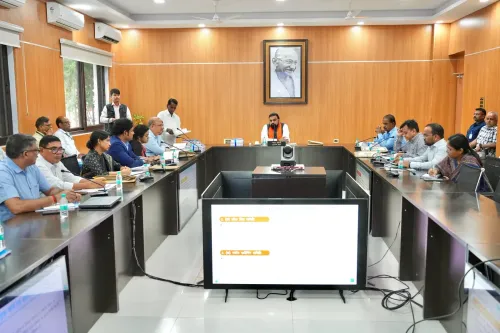
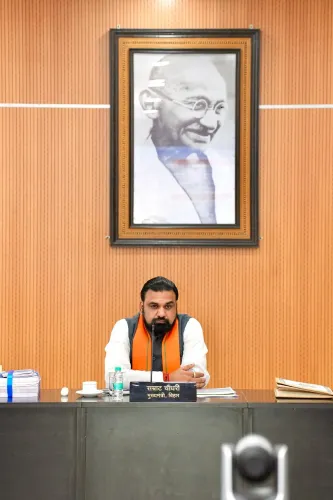
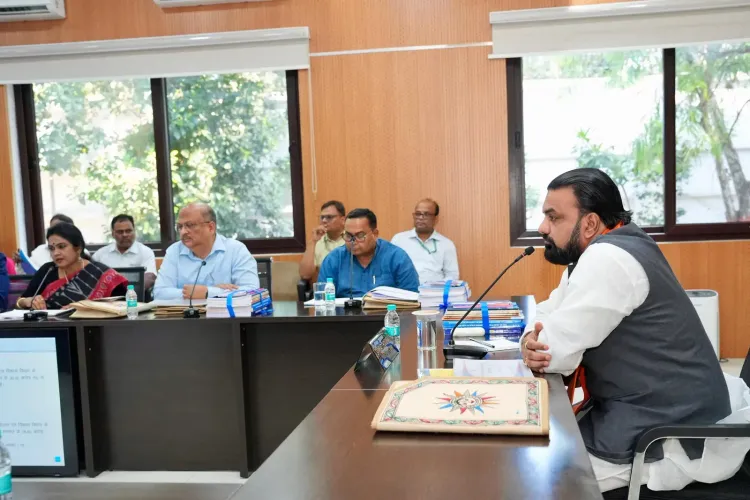
The Chief Minister's Office of Bihar, on Saturday, 4 July 2026, shared a directive emphasising that each of Bihar's 38 districts must prepare its own budget plan to ensure resources are deployed in line with local needs and development priorities.
The post quoted the directive as follows: 'प्रत्येक जिले की अपनी बजट योजना तैयार की जाए' — 'each district should prepare its own budget plan' — so that effective utilisation of resources can be ensured in accordance with local requirements and development priorities.
Context
The instruction signals a push toward sub-state fiscal decentralisation in Bihar, where district administrations have historically operated under consolidated state budgets with limited autonomy over resource allocation. The directive asks district-level authorities to align spending with ground-level priorities rather than a uniform top-down template. This move, if implemented, would mark a meaningful shift in how the state channels funds across its 38 districts.Policy Backdrop
The constitutional basis for such an approach dates to the 73rd and 74th Amendments of 1992, which mandated the formation of District Planning Committees across Indian states to enable bottom-up planning. Bihar has District Planning Committees in place, though their effective role in budget formulation has varied over the years. State Finance Commission recommendations have periodically called for greater district-level autonomy in budgeting, and this directive appears to align with that long-standing policy thread. Chief Minister Nitish Kumar, who has led Bihar through multiple terms since 2005, has repeatedly positioned administrative reform and decentralised governance as pillars of the state's development agenda.Stakeholders and Impact
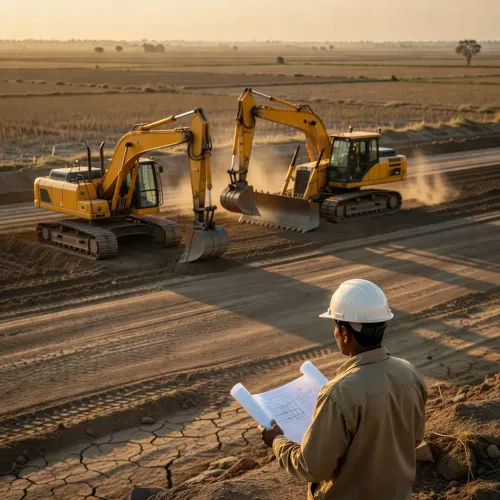
District administrations and local bodies stand to gain the most direct authority under this framework, as they would be empowered to identify and prioritise spending on infrastructure, agriculture, social services, and other locally pressing needs. For a state as diverse as Bihar — where districts range from flood-prone riverine zones in the north to dryland agricultural belts in the south — a uniform budget template has long been seen as a structural limitation. Residents and local elected representatives could see more responsive public spending if district plans are genuinely built from the ground up. The directive also places greater accountability on district-level officials to justify and execute their allocations.What's Next
The immediate question is whether Bihar's Finance Department or Planning Department will issue formal guidelines, formats, or timelines for districts to submit their budget plans. Observers will watch for any gazette notifications or circulars that give the directive legal and procedural standing. The rollout timeline and the degree of flexibility granted to individual districts will determine whether this remains an administrative nudge or becomes a structural reform. A successful pilot in even a handful of districts could set a replicable model for other states pursuing similar fiscal decentralisation goals.Point of View
The announcement fits a pattern of signalling governance reform ahead of political cycles, though the gap between such directives and on-ground implementation in Bihar has historically been wide. The real test will be whether district collectors are given genuine fiscal discretion or merely asked to repackage existing line items in a new format. If substantive, this could serve as a model for other large, heterogeneous states grappling with the same top-down budgeting problem.
NationPress
3 Oct 2026
Frequently Asked Questions
What did Bihar's Chief Minister's Office announce about district budgets?
Bihar's CMO directed all 38 districts to prepare their own budget plans so that resources are allocated according to local needs and development priorities, as announced on 4 July 2026.
Why does Bihar want district-level budget plans?
District-level budget plans are intended to ensure that spending matches the specific infrastructure, agricultural, and social-service requirements of each district rather than following a uniform state-wide template.
What is the constitutional basis for district planning in India?
The 73rd and 74th Constitutional Amendments of 1992 mandated the creation of District Planning Committees across Indian states to facilitate bottom-up, participatory planning.
How many districts does Bihar have?
Bihar has 38 administrative districts, each with varying geographic, economic, and social characteristics that this directive aims to address through tailored budget planning.
What happens next after Bihar's district budget directive?
Bihar's Finance or Planning Department is expected to issue formal guidelines, formats, and timelines for districts to submit their individual budget plans; no such notification has been confirmed yet.