Bihar CM Office Vows Aviation, Tourism Push for State Growth
Synopsis
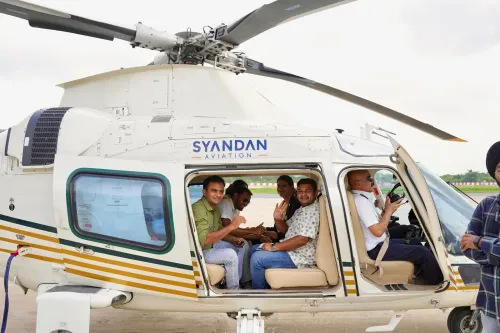
The Chief Minister's Office of Bihar on 18 July 2026 reaffirmed the state's commitment to modern aviation facilities, skilled human resource development, and stronger tourism infrastructure, pledging a 'new flight of development' for the state in a reply to BJP leader Samrat Chaudhary on X.
Key Takeaways
The Chief Minister's Office of Bihar publicly committed on 18 July 2026 to developing modern aviation infrastructure, skilled manpower, and tourism infrastructure.
The statement was made in reply to Samrat Chaudhary , a senior Bihar BJP leader, on platform X.
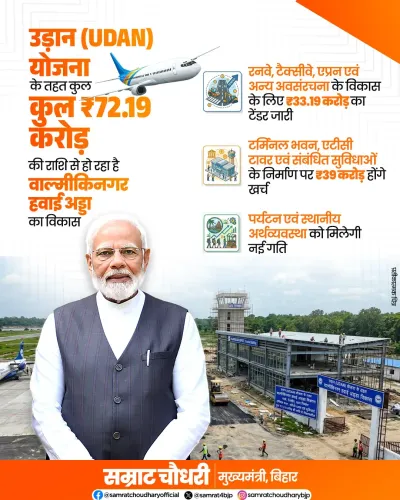
Bihar airports including Darbhanga and Purnia were operationalised under the Central government's UDAN scheme from 2018 onwards.
Gaya International Airport serves as a key aviation gateway for Bihar's Buddhist tourism circuit and has seen ongoing modernisation.
The state's 2018 Tourism Policy had already identified aviation linkages and skilled manpower as priority areas for tourism growth.
Key beneficiaries include tourism operators , aviation workforce , and skilled youth across Bihar.
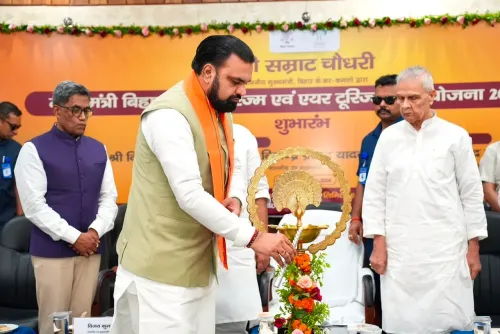
The Chief Minister's Office of Bihar reaffirmed on Saturday, 18 July 2026 the state government's commitment to developing modern aviation infrastructure, building skilled human resources, and strengthening tourism infrastructure to give Bihar a new trajectory of growth. The statement came in a reply to Samrat Chaudhary, a senior Bihar BJP leader, on the social media platform X.
The post, in Hindi, stated: 'Bihar sarkar aadhunik vimanon suvidhaon ke vikas, kushal manav sansadhan ke nirman tatha paryatan avsanrachna ko sudridh kar rajya ko vikas ki nayi udaan dene ke liye pratibaddh hai' — translated as: 'The Bihar government is committed to giving the state a new flight of development by developing modern aviation facilities, building skilled human resources, and strengthening tourism infrastructure.'
Context
The exchange between the Chief Minister's Office and Samrat Chaudhary reflects an ongoing conversation within Bihar's political establishment about accelerating infrastructure development. Aviation connectivity and tourism have been recurring themes in the state's development discourse, particularly as Bihar seeks to raise its economic profile among India's eastern states.
The phrase 'vikas ki nayi udaan' — 'a new flight of development' — is a deliberate double reference to both aviation expansion and broader economic progress, signalling the government's intent to link physical connectivity with long-term growth ambitions.
Policy Backdrop
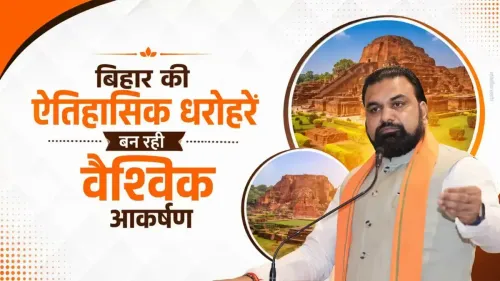
Bihar's aviation development has been shaped significantly by the Central government's UDAN (Ude Desh ka Aam Naagrik) regional connectivity scheme, under which airports including Darbhanga and Purnia were operationalised from 2018 onwards. Gaya International Airport has also seen ongoing modernisation efforts, serving as a key gateway for the Buddhist tourism circuit.
The state's 2018 Tourism Policy had specifically identified aviation linkages and skilled manpower development as priority areas for boosting both Buddhist tourism and eco-tourism circuits. The latest statement from the Chief Minister's Office suggests continuity and deepening of this policy direction under Chief Minister Nitish Kumar.
Bihar has consistently paired physical infrastructure upgrades with human-capital programmes — a pattern seen across eastern states seeking to leverage connectivity and tourism for economic growth.
Stakeholders and Impact
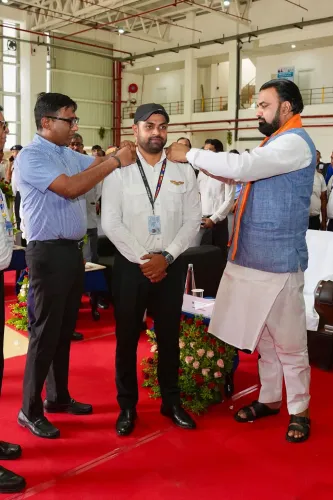
The government's three-pronged commitment — aviation infrastructure, skilled human resources, and tourism — directly affects tourism operators, aviation sector workers, and skilled youth across the state. Improved air connectivity is expected to reduce travel barriers for pilgrims and tourists visiting Bihar's significant religious and historical sites.
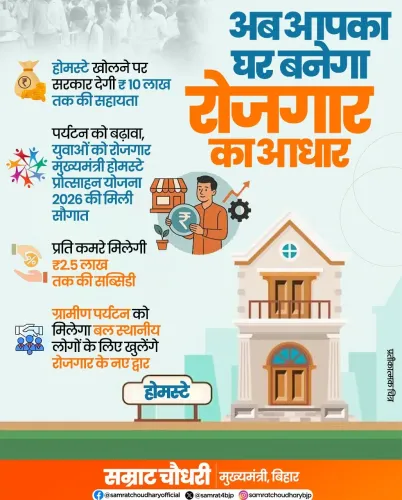
Skilled manpower development in the aviation and hospitality sectors could generate employment opportunities for Bihar's large youth population, addressing one of the state's persistent economic challenges. Strengthened tourism infrastructure, in turn, stands to benefit local communities dependent on pilgrim and heritage tourism.
What's Next
Observers will watch for concrete follow-through in the form of state budget allocations or cabinet approvals for new airport projects and tourism skill development centres in the coming fiscal cycle. The government's stated commitment will be tested against actual capital expenditure announcements and project timelines in the months ahead.
With Bihar's aviation network still expanding and its tourism potential widely regarded as underdeveloped relative to its historical significance, the state's ability to translate political commitment into operational infrastructure will be closely watched by investors, tourism stakeholders, and the state's aspirational youth.
Frequently Asked Questions
What did the Bihar government announce about aviation development?
The Chief Minister's Office of Bihar reaffirmed on 18 July 2026 that the state is committed to developing modern aviation facilities, building skilled human resources, and strengthening tourism infrastructure to drive state growth.
Which airports in Bihar have been developed under the UDAN scheme?
Airports including Darbhanga and Purnia were operationalised in Bihar under the Central government's UDAN regional connectivity scheme from 2018 onwards, while Gaya International Airport has seen ongoing modernisation as a gateway for the Buddhist tourism circuit.
Who is Samrat Chaudhary and why did the Bihar CMO reply to him?
Samrat Chaudhary is a senior Bihar BJP leader and former minister who frequently engages on state development issues. The Chief Minister's Office replied to his post on X, reaffirming the government's infrastructure and tourism commitments.
What is Bihar's tourism policy focus?
Bihar's 2018 Tourism Policy identified aviation linkages and skilled manpower development as priority areas, with a particular focus on Buddhist tourism and eco-tourism circuits, including routes centred on Gaya and other heritage sites.
How will Bihar's aviation and tourism push benefit the youth?
The government's commitment to skilled human resource development in aviation and hospitality is expected to generate employment for Bihar's large youth population, complementing physical infrastructure upgrades with career opportunities in growing sectors.