Trump waives Graham Act Russia oil tariffs, sparing India and China 100% duty
Synopsis
Trump signed an order enacting the Graham Act's sweeping tariffs on Russian oil buyers — including a 100% duty on India and China — and then waived them all in the same document, one day before the deadline. With Rubio flying to India and a bilateral trade deal in the works, the move looks less like sanctions relief and more like a carefully timed diplomatic signal.
Key Takeaways
President Trump signed an executive order on Friday, 17 October 2026 implementing and immediately waiving tariffs under the Lindsey O.
Graham Sanctioning Russia and Iran Act of 2026 .
The Act mandated duties of up to 100 per cent on goods from the largest buyers of Russian oil, with a deadline of 18 October 2026 .
The waivers are open-ended and cover tariffs on third-country importers as well as most sanctions on foreign persons under the Act.
India — one of the largest buyers of Russian crude — is spared; existing US sanctions on Russia remain fully in place.
Secretary of State Marco Rubio is scheduled to meet External Affairs Minister S.
Jaishankar in Mumbai on 20 October and visit the Jamnagar refinery complex .
Bipartisan congressional critics, including Congressman Michael McCaul and Congressman Jim Costa , had urged Trump to keep waivers 'narrow, time-limited, and tied to measurable reductions in support for Russia's war.'
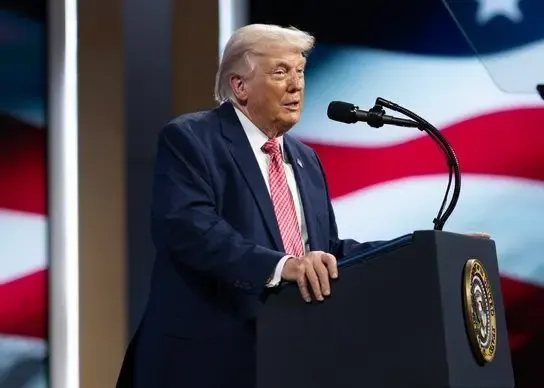
US President Donald Trump has simultaneously enacted and waived the tariff provisions of a sweeping new law targeting buyers of Russian oil, sparing countries including India and China a potential 100 per cent duty — just one day before the deadline was set to take effect, and as Secretary of State Marco Rubio prepares to visit India.
What the Graham Act Mandates
The Lindsey O. Graham Sanctioning Russia and Iran Act of 2026, signed by Trump on 18 September 2026, required duties of up to 100 per cent on goods from the biggest buyers of Russian oil and gas within 30 days — a deadline falling on Sunday, 18 October 2026. The executive order, signed on Friday and posted by the White House late that evening, implements the law and then immediately suspends its most consequential provisions.
Specifically, the order raises duties on goods from 'the largest 5 importers of crude oil and natural gas that originated in the Russian Federation' by 100 per cent, provided those countries 'knowingly make new purchases' of Russian oil or gas on or after 18 October 2026. It imposes the same 100 per cent increase on goods from the 'top 5 facilitators of Russian oil sanctions evasion', and raises duties on goods from Russia itself by 500 per cent.
The Waivers: Broad and Open-Ended
Section 4 of the order, however, immediately suspends those measures. Trump wrote: 'I hereby waive the application of any duties provided for in sections 112 and 113 of the Graham Act or this order.' The order also waives most of the law's sanctions on foreign persons, covering sections 102(a), 102(d), 102(e), 103 to 111, and 117 of the Act. Critically, the waivers are open-ended — they 'shall remain in effect until such time as the President or the Secretary of State... determine that further action is appropriate.'
Trump separately sent Congress the written certification the law requires, stating that the waiver 'is in the national interests of the United States,' along with an explanatory report. Neither document has been made public. The order does not name any country.
Pressure Remains, Monitoring Continues
While the immediate tariff threat is neutralised, the order preserves a monitoring mechanism. The US Trade Representative, working with the Secretaries of State, Treasury, and Energy, is directed to track purchases of Russian oil and gas by foreign countries and 'promptly inform the President of any circumstance that... might indicate the need for further action.' All existing US sanctions on Russia remain fully in place; the order explicitly states that nothing in it affects any sanctions or measures issued to address the national emergency with respect to Russia.
The order also delegates most of the President's powers under the Act — including waiver authority — to the Secretary of State, Treasury Secretary, Trade Representative, and Energy Secretary.
What It Means for India
India is among the largest buyers of Russian crude and was directly in the crosshairs of the law. In February 2026, Washington had already removed an additional 25 per cent duty on Indian goods linked to New Delhi's Russian oil purchases, as part of a broader trade framework that reduced the reciprocal tariff on Indian goods from 25 per cent to 18 per cent. The two sides are reportedly close to finalising the first tranche of a bilateral trade agreement.
The timing is notable: Secretary of State Marco Rubio is scheduled to travel to Samarkand, Mumbai, and Jamnagar from 17 to 22 October. He is set to hold talks with External Affairs Minister S. Jaishankar in Mumbai on 20 October and to visit the Jamnagar refinery complex — the world's largest.
Congressional Pushback
Not everyone in Washington is satisfied. In a bipartisan letter dated Thursday, Republican Congressman Michael McCaul and Democratic Congressman Jim Costa urged Trump to implement the law fully by the deadline and called for any waiver to be 'narrow, time-limited, and tied to measurable reductions in support for Russia's war.' The open-ended nature of Friday's waivers stands in direct contrast to that demand, and critics argue the broad suspension undermines the law's deterrent value.
With Rubio's India visit beginning Saturday and a trade agreement reportedly within reach, the waiver signals that Washington is prioritising diplomatic and economic leverage over immediate sanctions pressure — at least for now.
Point of View
Leaving the Graham Act as a dormant threat rather than an active deterrent. The open-ended waivers, combined with Rubio's simultaneous India visit and a near-complete bilateral trade deal, make clear that Washington is using sanctions leverage as a negotiating chip rather than a coercive instrument. Congressional critics are right that the broad waiver strips the law of its stated purpose — but the diplomatic calculus, particularly with India, may be the point. The unresolved question is whether India will interpret this reprieve as a permanent accommodation or a ticking clock, and whether New Delhi will accelerate its own Russia oil diversification in response.
NationPress
17 Oct 2026
Frequently Asked Questions
What is the Lindsey O. Graham Sanctioning Russia and Iran Act of 2026?
It is a US law signed by President Trump on 18 September 2026 that requires duties of up to 100 per cent on goods from the largest buyers of Russian oil and gas, as well as on top facilitators of Russian oil sanctions evasion, within 30 days of enactment. It also mandates a 500 per cent duty increase on goods from Russia itself.
Why did Trump waive the Graham Act tariffs on India and China?
Trump cited the 'national interests of the United States' in the written certification sent to Congress, though neither the certification nor the explanatory report has been made public. The waivers coincide with Secretary of State Rubio's visit to India and ongoing US-India trade negotiations, suggesting diplomatic and economic considerations played a central role.
Are the tariff waivers permanent?
No — the waivers are open-ended, not permanent. They remain in effect until the President or the Secretary of State, in consultation with the Treasury Secretary and the Trade Representative, determine that further action is warranted. Monitoring of countries' Russian oil purchases continues under the order.
How does this affect India specifically?
India, one of the world's largest buyers of Russian crude, is effectively shielded from the 100 per cent tariff for now. This follows an earlier February 2026 move in which the US removed an additional 25 per cent duty on Indian goods tied to Russian oil purchases, reducing the reciprocal tariff on Indian goods from 25 per cent to 18 per cent as part of a broader trade framework.
What is the significance of Marco Rubio's India visit?
Secretary of State Marco Rubio is travelling to Samarkand, Mumbai, and Jamnagar from 17 to 22 October 2026. He is scheduled to hold talks with External Affairs Minister S. Jaishankar in Mumbai on 20 October and to visit the Jamnagar refinery complex — the world's largest — underscoring the energy and trade dimensions of the US-India relationship at a sensitive diplomatic moment.