Lalan Singh hails Bihar Museum's top-9 world ranking
Synopsis
Union Minister Rajiv Ranjan Singh (Lalan Singh) has celebrated the Bihar Museum in Patna being ranked 9th in the world and 1st among Asian history museums in 'The World's 100 Best Museums' ranking, crediting former Chief Minister Nitish Kumar's vision for the achievement.
Key Takeaways
Bihar Museum, Patna has been ranked 9th in the world in 'The World's 100 Best Museums' ranking.
The museum holds the top position among Asian history museums on the same list.
Union Minister Rajiv Ranjan Singh (Lalan Singh) shared the achievement on X on 27 October 2026 .
Singh attributed the museum's development to the vision of former Chief Minister Nitish Kumar .
The ranking is seen as a boost for Bihar's cultural tourism and international heritage profile.
The post was tagged to @Jduonline , reflecting party-level pride in the achievement.
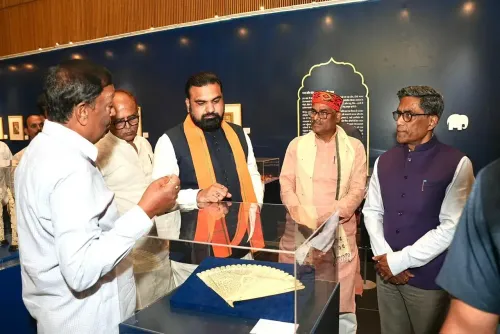
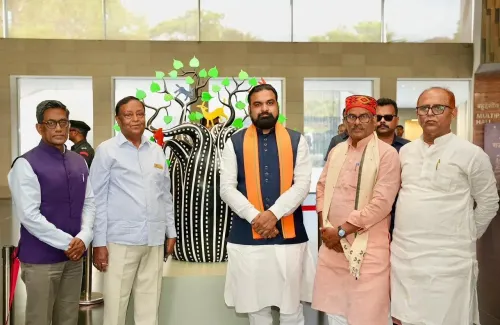
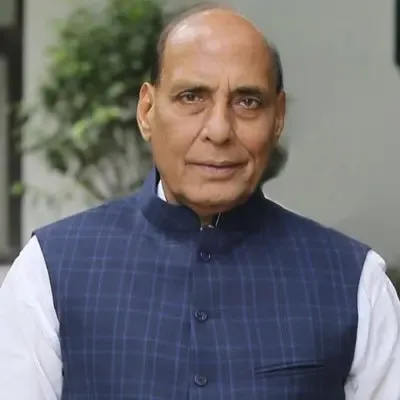
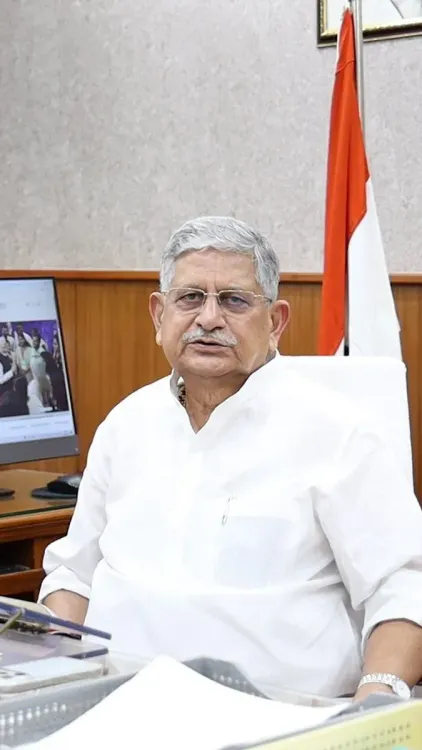
A museum in the heart of Patna has just put Bihar on the world's cultural map — and the accolade is being celebrated all the way to Delhi. On Tuesday, 27 October 2026, Union Panchayati Raj and Fisheries Minister Rajiv Ranjan Singh — popularly known as Lalan Singh — took to X to share that the Bihar Museum has been ranked 9th in the world and 1st among Asian history museums in the prestigious 'The World's 100 Best Museums' ranking.
Patna's crown jewel climbs a global leaderboard
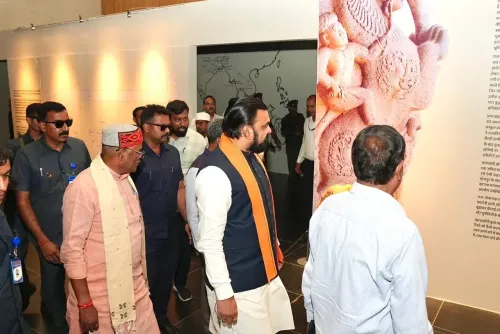
The Bihar Museum, located in Patna, was built to house and celebrate the state's extraordinary archaeological and historical collections — artefacts spanning ancient kingdoms, Mauryan-era glory, and deep Buddhist heritage. Its emergence in a global top-ten list, and its pole position across all Asian history museums, marks a significant moment for a state that has long argued its civilisational depth deserves far wider recognition.
Singh's post, written in Hindi, captures the mood precisely: 'यह उपलब्धि बिहार की ऐतिहासिक धरोहर और सांस्कृतिक वैभव को अंतरराष्ट्रीय मंच पर नई पहचान दिलाती है' — 'This achievement gives Bihar's historical heritage and cultural splendour a new identity on the international stage. It is a matter of immense pride for all of us Biharis.'
Nitish Kumar's vision, now a globally stamped reality
Singh was explicit about the credit: the museum, he wrote, 'is the result of former Chief Minister Nitish Kumar's vision.' The Bihar Museum was conceived and developed during Kumar's tenure as Chief Minister, part of a broader push to build modern cultural infrastructure that could present ancient Bihar to both domestic and international visitors.
The tag to @Jduonline — the official handle of the Janata Dal (United) — signals this is also a moment of political pride for the party, which has consistently championed Bihar's cultural renaissance as a governance deliverable. Singh himself is one of JD(U)'s most senior national faces.
Why this ranking matters beyond the trophy
Several Indian states have invested heavily in museum infrastructure in recent years, positioning cultural tourism as an economic lever. Bihar's case is distinct: it sits atop some of the world's most consequential ancient history — the Maurya and Gupta empires, the birthplace of Buddhism, the ruins of Nalanda. Yet international tourist footfall has historically lagged behind that civilisational weight.
A credible global ranking changes the calculus. It functions as third-party validation that cuts through marketing noise, the kind of signal that makes it onto travel itineraries and heritage-tourism curricula worldwide. First place among Asian history museums is not a consolation bracket — Asia holds the Smithsonian of the East, the National Palace Museum, and dozens of world-class institutions. To top that category is a genuine statement.
Whether the Bihar government now moves to expand the museum network, deepen tourist infrastructure around Patna, or leverage the ranking in international cultural diplomacy will be the next test of whether a trophy becomes a trajectory.
Point of View
Internationally validated good news for a state that has long battled perception gaps despite its extraordinary civilisational legacy. For JD(U), the timing is politically useful — it reinforces the party's narrative that Nitish Kumar's governance built durable, recognised institutions, not just infrastructure. For the broader cultural policy arc, it adds to the case that state-level investment in museum quality (not just quantity) can yield global standing. The real test will be whether the Bihar government converts this reputational moment into sustained tourism and education policy rather than letting it remain a social-media milestone.
NationPress
27 Oct 2026
Frequently Asked Questions
What rank did Bihar Museum get in the World's 100 Best Museums list?
The Bihar Museum in Patna was ranked 9th in the world and 1st among Asian history museums in 'The World's 100 Best Museums' ranking, as shared by Union Minister Lalan Singh on 27 October 2026.
Where is Bihar Museum located?
The Bihar Museum is located in Patna, the capital of Bihar, India.
Who built or founded the Bihar Museum?
The Bihar Museum was developed during the tenure of former Chief Minister Nitish Kumar, who is credited with conceiving and building the institution to showcase Bihar's ancient heritage.
What is 'The World's 100 Best Museums' ranking?
'The World's 100 Best Museums' is a prestigious international ranking that evaluates museums globally; Bihar Museum's 9th-place finish and top ranking among Asian history museums was highlighted by Union Minister Lalan Singh in October 2026.
Why is Lalan Singh associated with Bihar Museum news?
Rajiv Ranjan Singh, popularly known as Lalan Singh, is a senior JD(U) leader and Union Minister who posted about the Bihar Museum's global ranking on X, celebrating it as a matter of pride for all Biharis and crediting Nitish Kumar's vision.