Bihar CM Office Plans Model Centres for Onion, Tomato, Mango
Synopsis
Bihar's Chief Minister's Office announced on 17 June 2026 that the state will set up dedicated model centres — Aadarsh Kendras — for onion, tomato, mango and other crops to promote agricultural innovation and raise productivity, continuing the state's long-term push toward horticultural diversification.
Key Takeaways
Bihar's Chief Minister's Office announced plans on 17 June 2026 to establish Aadarsh Kendras (model agricultural centres) across the state.
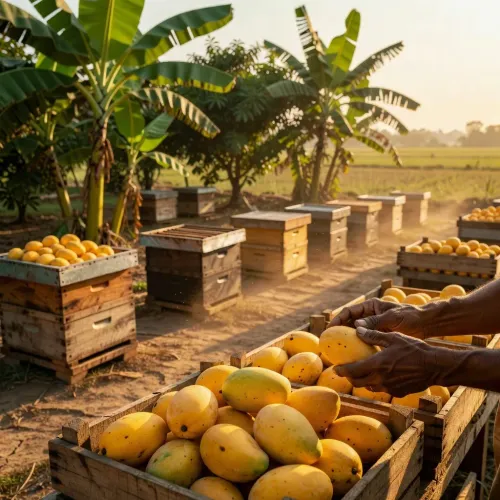
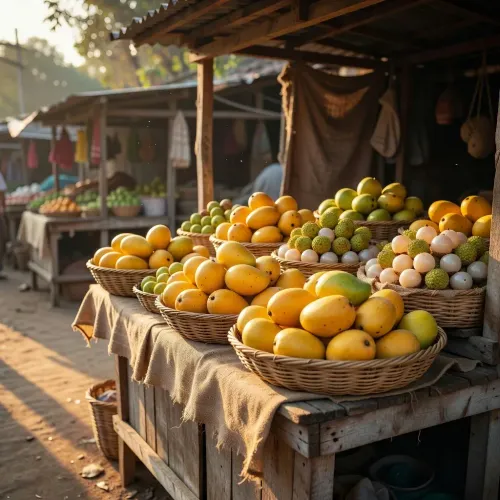
The centres will specifically focus on onion, tomato and mango , along with other agricultural produce.
The stated objectives are promoting innovation in agriculture and increasing farm productivity .
The initiative continues Bihar's shift from cereal farming toward high-value horticulture , a direction set out in the Agriculture Road Map since 2017 .
Exact locations, funding sources and timelines for the proposed centres have not yet been announced .
Small farmers, vegetable growers and mango cultivators are the primary intended beneficiaries.
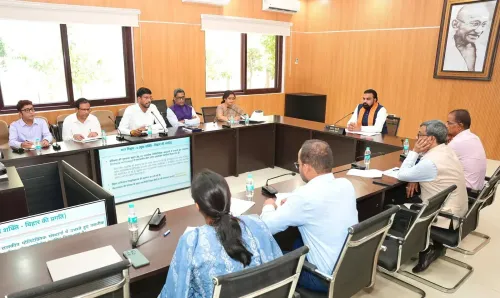
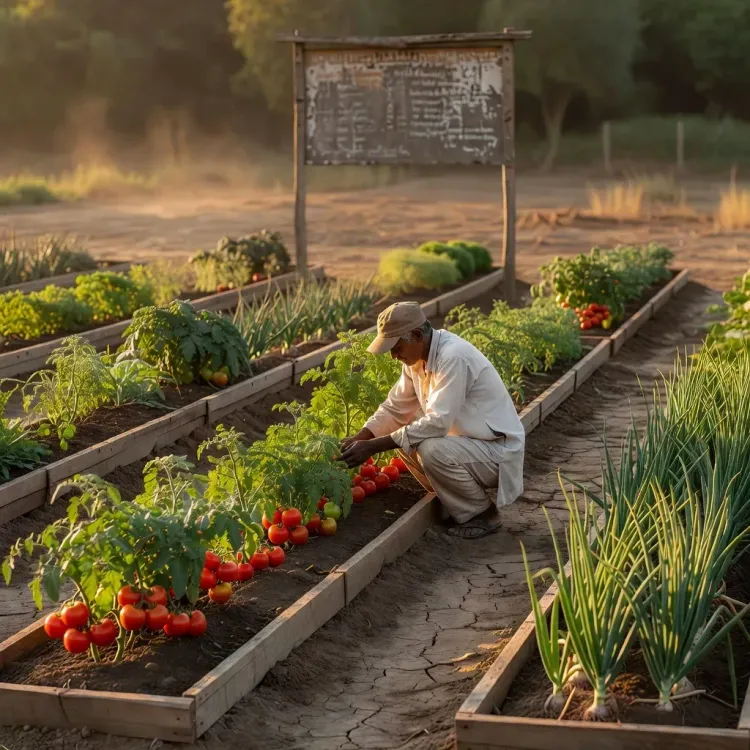
The Chief Minister's Office of Bihar announced on Wednesday, 17 June 2026 that the state government will establish dedicated Aadarsh Kendras (model centres) focused on key agricultural commodities — including onion, tomato and mango — to drive innovation and raise productivity across Bihar's farming sector.
Context
The official post, shared from the Chief Minister's Office account, stated that the centres would be set up 'कृषि क्षेत्र में नवाचार को बढ़ावा देने तथा उत्पादकता बढ़ाने के उद्देश्य से' — that is, 'with the objective of promoting innovation in the agriculture sector and increasing productivity.' The announcement specifically names onion, tomato and mango, along with other agricultural produce, as the priority commodities for these model facilities.
The statement was made in the context of a broader address by the state government, with the Chief Minister's Office relaying the commitment publicly via its official X account.
Policy Backdrop
Bihar's push toward horticultural diversification has deep roots. The state's Agriculture Road Map (2017–2022) placed technology dissemination and high-value crop development at its centre, explicitly encouraging a shift away from cereal-heavy cultivation toward vegetables and fruits that generate higher farmer incomes.
Chief Minister Nitish Kumar has consistently championed agricultural modernisation through successive terms in office, and the Bihar Agriculture Department has implemented a range of crop-specific extension programmes over the years. The proposed Aadarsh Kendras represent a continuation of that trajectory — using demonstration infrastructure to spread best practices at the field level.
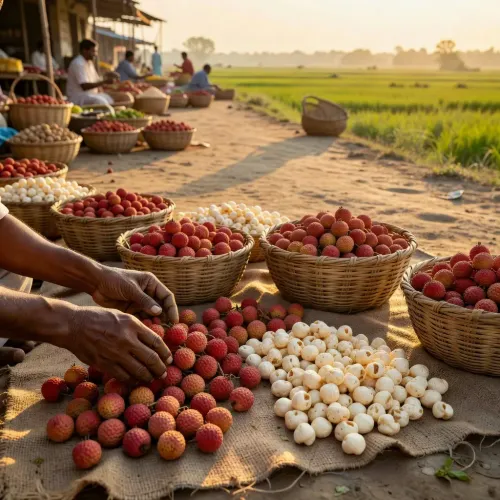
Bihar is already a significant producer of onion, tomato and mango, making these commodities logical anchors for state-backed model centres. A recurring challenge for the state has been post-harvest losses; demonstration centres that showcase storage, grading and productivity techniques can directly address that gap.
Stakeholders and Impact
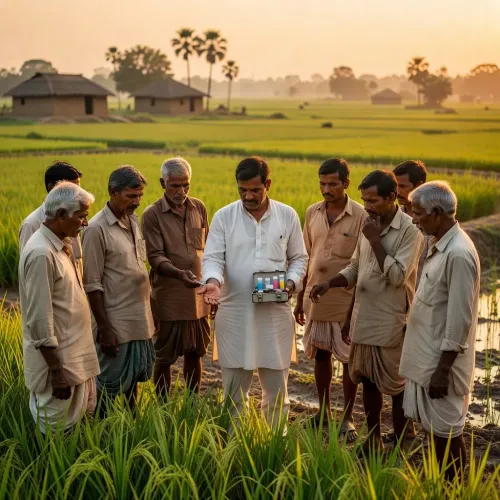
The primary beneficiaries of the Aadarsh Kendras will be vegetable growers, mango cultivators and small farmers across Bihar who currently lack access to structured knowledge of modern agri-practices. By concentrating expertise and demonstration capacity in dedicated centres, the state aims to create replicable models that extension workers can carry to villages.
The initiative also aligns with national-level priorities around precision farming and cluster-based horticulture development, potentially opening avenues for convergence with centrally sponsored schemes that support similar infrastructure. Farmers who shift to higher-value horticulture crops stand to benefit from both improved yields and better market linkages that such centres typically catalyse.
What's Next
The announcement does not yet specify exact locations, a funding source or an operational timeline for the proposed centres — details that are expected to emerge in the next state agriculture budget or a dedicated action plan from the Bihar Agriculture Department. Observers will watch closely for site-selection criteria, the scale of budgetary allocation and whether the rollout is phased by district or commodity cluster.
If implemented at meaningful scale, the Aadarsh Kendras could mark a structural step in Bihar's long-running effort to convert its horticultural potential into measurable income gains for its farming communities.
Point of View
Tomato and mango explicitly, the government is targeting crops where price volatility and post-harvest losses have historically eroded farmer gains, suggesting a recognition that productivity alone is insufficient without demonstration-led knowledge transfer. The move also positions Bihar to leverage central government cluster-development funding, which rewards states that build formal infrastructure around priority commodities. How quickly the state converts this announcement into operational centres with clear budgets will determine whether it registers as a policy milestone or a recurring aspiration.
NationPress
17 Sept 2026
Frequently Asked Questions
What are Aadarsh Kendras in Bihar?
Aadarsh Kendras are proposed model agricultural centres that the Bihar government plans to establish to demonstrate best farming practices, promote innovation and raise productivity for specific crops such as onion, tomato and mango.
Which crops will Bihar's new model centres focus on?
The announced centres will focus specifically on onion, tomato and mango , along with other agricultural produce grown in the state.
When did Bihar announce the Aadarsh Kendra scheme?
The Chief Minister's Office of Bihar announced the plan on 17 June 2026 via its official X account.
How will Bihar's Aadarsh Kendras help farmers?
The centres are designed to give farmers, especially small and marginal growers, access to modern agricultural techniques, innovation demonstrations and productivity-enhancement knowledge for high-value horticultural crops.
Has Bihar done similar agricultural schemes before?
Yes. Bihar's Agriculture Road Map from 2017–2022 already prioritised horticultural diversification and technology dissemination; the Aadarsh Kendra proposal continues that policy direction under Chief Minister Nitish Kumar .