Bihar CM sets 25 lakh MT fish output target for state
Synopsis
Bihar Chief Minister Nitish Kumar has called for nearly tripling the state's annual fish output from 9 lakh metric tonnes to 25 lakh metric tonnes, signalling a major push to expand inland fisheries as a pillar of agricultural diversification and rural employment.
Key Takeaways
The Chief Minister's Office of Bihar posted on 24 May 2026 quoting CM Nitish Kumar on a fisheries expansion directive.
The stated target is to raise annual fish production from 9 lakh metric tonnes to 25 lakh metric tonnes — nearly a three-fold increase.
Bihar has historically grown its fish output from roughly 2.8 lakh MT in 2004-05 to over 7 lakh MT by the late 2010s through pond renovation and fingerling programmes.
The Pradhan Mantri Matsya Sampada Yojana (PMMSY) , launched in 2020 , provides the central financing architecture that Bihar can leverage for this scale-up.
Fish farmers, rural fishing communities and ancillary supply-chain workers are the primary stakeholders who stand to benefit.
Budget allocations and physical scheme targets for 2026-27 will be the key near-term test of whether this goal is backed by concrete funding.
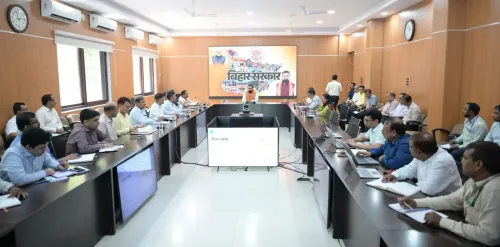
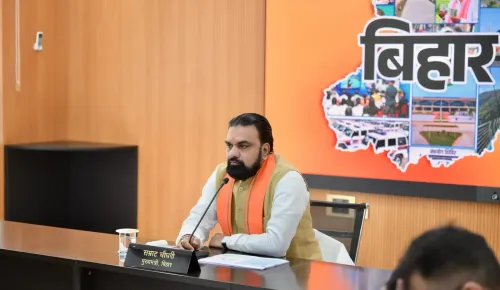
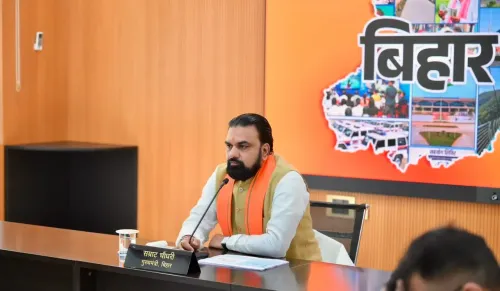
The Chief Minister's Office of Bihar, posting on Sunday, 24 May 2026, shared a directive attributed to Chief Minister Nitish Kumar calling for a near-tripling of the state's annual fish production — from the current 9 lakh metric tonnes to 25 lakh metric tonnes per year.
Context
The post, a reply from @officecmbihar, quoted the Chief Minister as stressing the need to scale up fisheries output substantially. In the original Hindi, he was quoted as saying: 'राज्य में मत्स्य उत्पादन को वर्तमान 9 लाख मीट्रिक टन प्रतिवर्ष से बढ़ाकर 25 लाख मीट्रिक टन प्रतिवर्ष किया जाए' — 'fish production in the state should be raised from the current 9 lakh metric tonnes per year to 25 lakh metric tonnes per year.' The statement signals a formal policy push rather than an aspirational remark, framing production expansion as a directional goal for the state's fisheries administration.
Policy Backdrop
Bihar has pursued fisheries development as a pillar of agricultural diversification since the mid-2000s. Under successive administrations led by Nitish Kumar, the state expanded pond renovation drives, fingerling stocking programmes and extension services that lifted reported annual production from roughly 2.8 lakh metric tonnes in 2004-05 to over 7 lakh metric tonnes by the late 2010s. The current stated baseline of 9 lakh metric tonnes reflects continued incremental growth since then.
At the national level, the Pradhan Mantri Matsya Sampada Yojana (PMMSY), launched in 2020, provides a central financing framework for modernising fisheries infrastructure, improving cold-chain logistics and expanding aquaculture across states. Bihar, with its extensive network of rivers, wetlands and ponds, is positioned to be a significant beneficiary of such schemes. The 25 lakh metric tonne target aligns with the broader 'Blue Revolution' trajectory that several eastern and southern states have adopted.
Stakeholders and Impact
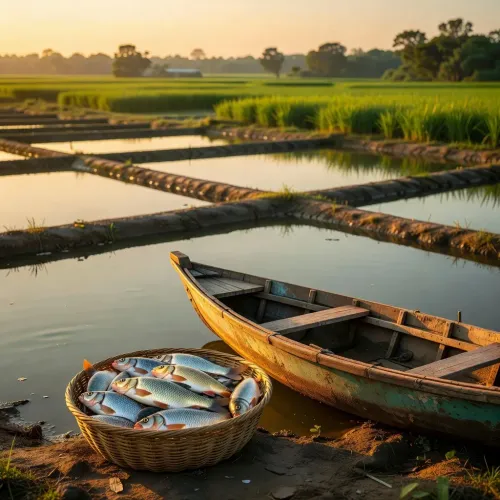
The most direct beneficiaries of any production ramp-up would be Bihar's fish farmers and rural fishing communities, for whom inland fisheries represent both a primary livelihood and a source of affordable dietary protein. A near-tripling of output, if achieved, would also generate downstream demand for hatchery infrastructure, feed supply chains, cold storage and transport logistics — creating ancillary employment across rural districts.
For rural households more broadly, expanded fish availability at competitive prices carries nutritional implications, particularly in districts where protein consumption remains below national averages. State government departments, district fisheries officers and private aquaculture investors would all need to align on land, water and capital allocation to make the target achievable.
What's Next
The immediate indicators to watch are the Bihar state budget allocations for fisheries in 2026-27 and the physical targets set under ongoing schemes for pond area brought under scientific aquaculture. Progress on new hatchery capacity and cold-chain infrastructure will determine whether the 25 lakh metric tonne goal translates from a stated ambition into a funded, time-bound programme.
If the state formalises this target through a dedicated fisheries mission or a revised scheme framework, it would mark one of the most ambitious inland fisheries expansion commitments by any Indian state government in recent years — with potential implications for how the Centre calibrates PMMSY fund flows to Bihar.
Point of View
Economically tangible lever in a state where agricultural diversification and rural job creation are perennial imperatives. The jump from 9 lakh to 25 lakh metric tonnes is an ambitious headline number, and the credibility of the target will rest entirely on whether the state backs it with ring-fenced budget lines and district-level infrastructure plans. Framed against the PMMSY framework, it also positions Bihar to make a stronger claim on central fisheries funds at a time when eastern states are competing for Blue Revolution resources. The announcement is best read as a policy signal that will need to survive the translation from a CM's directive into funded departmental action.
NationPress
8 Oct 2026
Frequently Asked Questions
What is Bihar's new fish production target announced by CM Nitish Kumar?
Chief Minister Nitish Kumar has directed that Bihar's annual fish production be raised from the current 9 lakh metric tonnes to 25 lakh metric tonnes per year.
What is Bihar's current annual fish production?
According to the Chief Minister's Office of Bihar, the state's current annual fish production stands at 9 lakh metric tonnes.
What central scheme supports fisheries development in Bihar?
The Pradhan Mantri Matsya Sampada Yojana (PMMSY), launched in 2020, is the primary central scheme aimed at modernising fisheries infrastructure and boosting production across states including Bihar.
How has Bihar's fish production grown over the years?
Bihar's reported fish output grew from roughly 2.8 lakh metric tonnes in 2004-05 to over 7 lakh metric tonnes by the late 2010s, driven by pond renovation, fingerling stocking and extension programmes under the Nitish Kumar government.
Who benefits from Bihar's fisheries expansion plans?
Fish farmers, rural fishing communities and ancillary workers in hatchery, feed, cold storage and transport supply chains are the primary beneficiaries of a larger fisheries sector in Bihar.