CM Nitish Directs Bihar Fish Farmers' Access to Nepal Markets
Synopsis
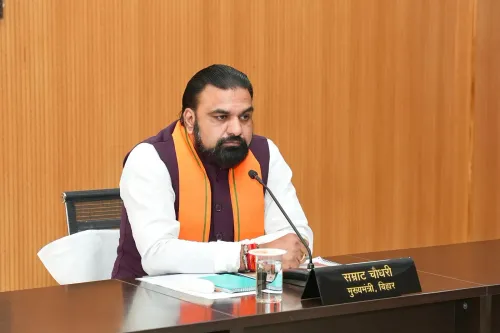
Chief Minister Nitish Kumar has directed that Bihar's fish farmers get market access in Nepal and neighbouring border states, leveraging open-border trade arrangements to diversify outlets for the state's inland fisheries produce and raise farmer incomes.
Key Takeaways
CM Nitish Kumar has directed officials to ensure Bihar fish farmers' produce reaches Nepal and border-state markets.
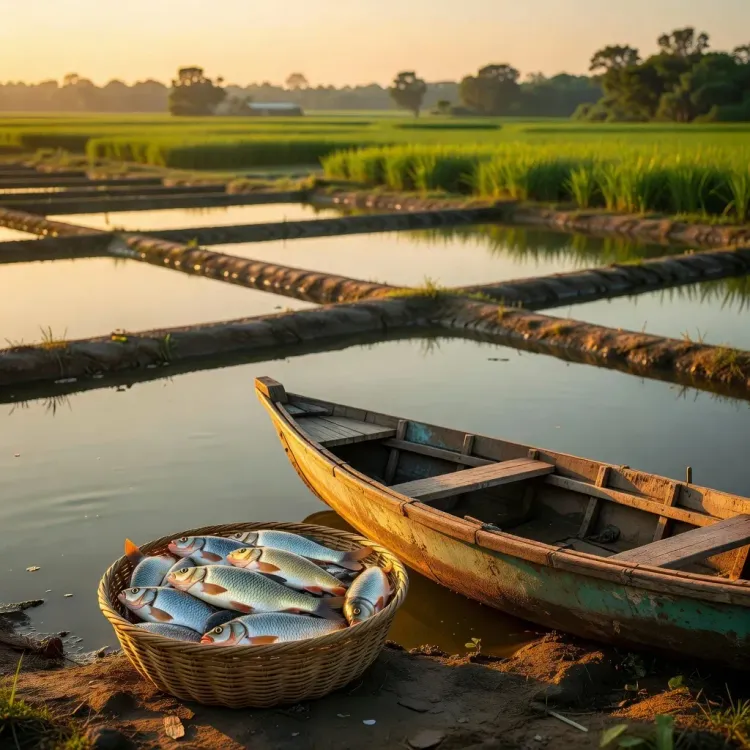
Bihar has extensive riverine and pond resources supporting significant inland fish production.
The India-Nepal Treaty of Trade and Transit provides a preferential trade framework that supports cross-border agricultural commodity movement.
Border districts such as Sitamarhi, Madhubani, Supaul, Araria, and Kishanganj are among the most likely beneficiaries of expanded market access.
The directive is part of Bihar's broader strategy of market diversification for perishable agricultural produce beyond local mandis.
Implementation details — including cold-chain infrastructure and border trade facilitation measures — are yet to be announced.
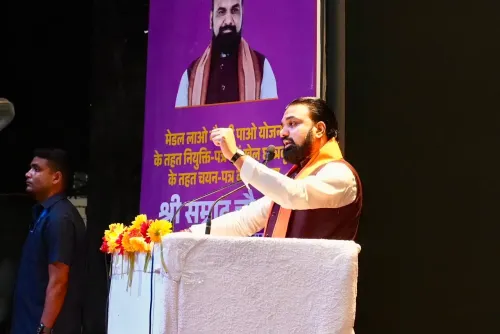
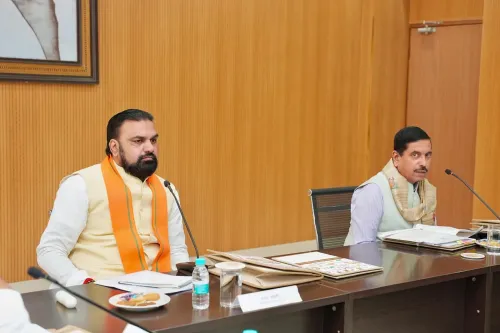
The Chief Minister's Office of Bihar, posting on Sunday, 24 May 2026, announced that Chief Minister Nitish Kumar has directed officials to ensure that fish produced by Bihar's fish farmers reaches markets in Nepal and neighbouring border states.
The post, shared from the official @officecmbihar handle, states: 'Mananiya Mukhyamantri ji ne Nepal evam seemavarti rajyon ke bazaron tak Bihar ke matsya palkon ki machliyon ki pahunch sunishchit karne ka bhi nirdesh diya' — 'The Honourable Chief Minister has directed that access for the fish of Bihar's fish farmers to markets in Nepal and border states be ensured.'
Context
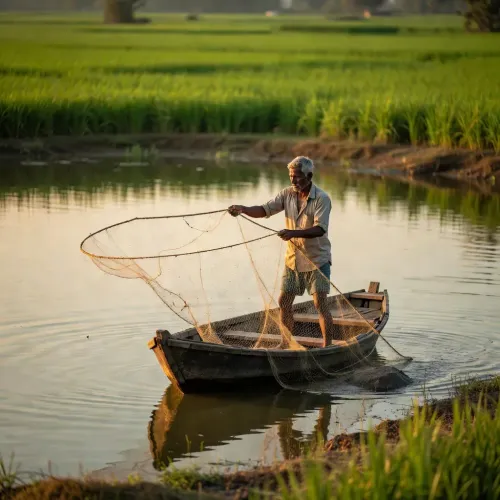
Bihar is one of eastern India's significant inland fisheries states, endowed with an extensive network of rivers, ponds, and wetlands. The state government has, over successive years, promoted fish farming through pond renovation programmes and fingerling distribution schemes aimed at raising overall fish output. Despite growing production, fish farmers have historically been constrained by limited market access, often selling through local mandis at suppressed prices. The Chief Minister's directive signals an intent to move beyond local market dependence and channel surpluses toward higher-value regional outlets, including the cross-border market with Nepal.Policy Backdrop
India and Nepal share an open border, and the bilateral Treaty of Trade and Transit — renewed and updated over the years — provides preferential or duty-free access for several agricultural commodities crossing between the two countries. This framework makes cross-border fish trade logistically and commercially feasible for Bihar's farmers, provided collection, cold-chain, and border-facilitation infrastructure is in place. Bihar's broader agricultural strategy has increasingly emphasised market diversification for perishable produce, mirroring approaches adopted by other eastern Indian states seeking regional integration for commodities that cannot be stored without cold-chain support.Stakeholders and Impact
Fish farmers — particularly smallholder pond operators across districts bordering Nepal such as Sitamarhi, Madhubani, Supaul, Araria, and Kishanganj — stand to benefit most directly if the directive translates into operational market linkages. Cross-border traders on both sides of the frontier are also key stakeholders, as smoother access could increase trade volumes and reduce price volatility for perishable fish. For Nepal, which imports a substantial share of its fish consumption, Bihar's supply could offer a proximate, cost-competitive source. Expanded market access could raise farm-gate prices for Bihar's matsya palaks (fish farmers), directly improving rural incomes in a state where agriculture and allied activities remain the primary livelihood for a large share of the population.What's Next
The directive as announced does not specify a timeline or the precise mechanism — whether through designated border haats, new cold-chain infrastructure, or trade facilitation agreements with neighbouring state governments. Observers will watch for follow-up notifications from the Bihar Department of Animal and Fisheries Resources detailing collection centres, refrigerated transport support, or border-trade facilitation measures. The success of the initiative will depend on how quickly supply-chain gaps between production clusters and border crossing points are addressed.Point of View
Proximate market with open-border trade arrangements already in place — the government is attempting to convert a logistical advantage into a price advantage for fish farmers. The announcement, however, stops short of specifying infrastructure or timelines, a recurring gap between intent and execution in Bihar's agricultural market-linkage initiatives. Whether this directive moves from announcement to operational supply chain will be the real test of its impact on rural incomes.
NationPress
19 Sept 2026
Frequently Asked Questions
Why is Bihar CM Nitish Kumar focusing on Nepal for fish market access?
Nepal shares an open border with Bihar and has a bilateral trade treaty with India that facilitates agricultural commodity movement, making it a natural and cost-effective export market for Bihar's fish farmers.
Which Bihar districts will benefit from fish market access to Nepal?
Border districts including Sitamarhi, Madhubani, Supaul, Araria, and Kishanganj are positioned to benefit most directly given their proximity to the Nepal border.
What is the current state of Bihar's fisheries sector?
Bihar has substantial inland fisheries resources — rivers, ponds, and wetlands — and the state government has promoted fish farming through pond renovation and fingerling distribution programmes over several years.
What trade framework supports Bihar-Nepal fish trade?
The India-Nepal Treaty of Trade and Transit, renewed and updated periodically, provides preferential or duty-free access for several agricultural commodities, creating a legal and commercial basis for cross-border fish trade.
What infrastructure is needed to make Bihar-Nepal fish trade work?
Cold-chain facilities, refrigerated transport, designated collection centres near border crossing points, and border-trade facilitation measures are key requirements that have not yet been publicly detailed by the government.