Bihar CM's Office Vows Grand Overhaul of Punaura Dham, Sita's Birthplace
Synopsis
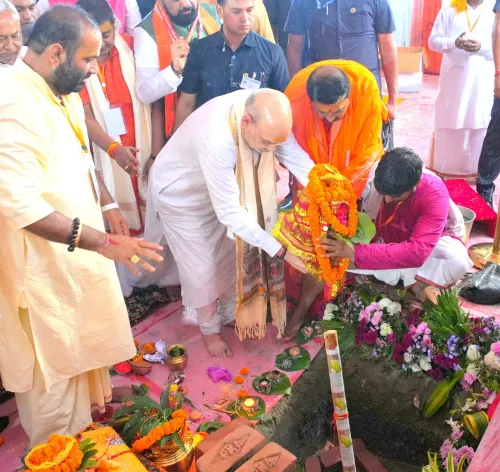
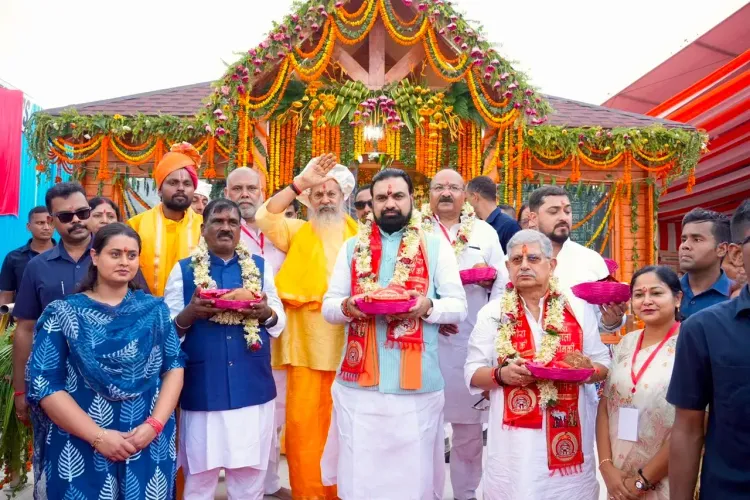
The Chief Minister's Office of Bihar declared on 8 August 2026 that Punaura Dham — revered as Goddess Sita's birthplace in Sitamarhi — is a state development priority, promising to transform it into a grand, well-organised pilgrimage destination as part of Bihar's Ramayana circuit tourism push.
Key Takeaways
The Chief Minister's Office of Bihar posted on 8 August 2026 pledging comprehensive development of Punaura Dham .
Punaura Dham in Sitamarhi district is traditionally regarded as the birthplace of Goddess Janaki (Sita) .
The state government described the dham as 'an important centre of Bihar's religious and cultural heritage.' The site is to be developed as a 'magnificent, divine, and well-organised pilgrimage destination' for devotees.
This aligns with Bihar's broader strategy of promoting Ramayana-linked sites alongside its Buddhist and Jain tourism circuits.
Specific funding figures, infrastructure timelines, and central government coordination details have not yet been announced.
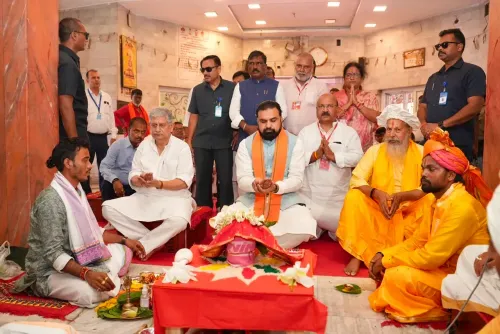
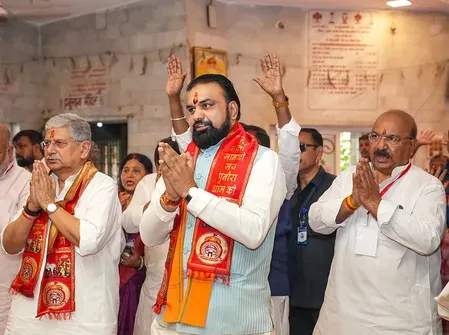
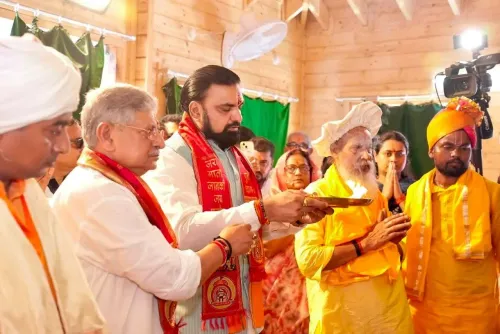
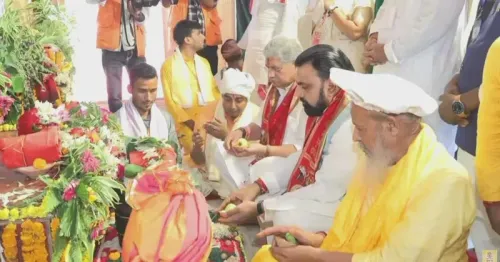
At the heart of Sitamarhi district, Bihar, lies a site that millions of Hindus revere as the earthly origin of Goddess Sita — and the state government has now placed its development at the top of its agenda. The Chief Minister's Office of Bihar shared a statement on Saturday, 8 August 2026, declaring Punaura Dham a cornerstone of Bihar's religious and cultural heritage and pledging its transformation into a grand, divine, and well-organised pilgrimage destination.
The statement quoted in the post reads: 'Maa Janaki ki janmbhoomi Punaura Dham Bihar ki dharmik evam sanskritik virasat ka mahatvapurna kendra hai' — 'The birthplace of Mother Janaki, Punaura Dham, is an important centre of Bihar's religious and cultural heritage.' It went further: the comprehensive development of this dham is a priority of the state government, and it will be established as a magnificent, divine, and well-organised pilgrimage site for devotees.
Why Punaura Dham Carries Such Weight
Punaura Dham, located in Sitamarhi, is traditionally identified as the birthplace of Goddess Janaki — Sita — the central female figure of the Ramayana. For devotees across India and the Hindu diaspora, the site holds a sanctity comparable to Ayodhya for Lord Ram. The district's very name, Sitamarhi, is a linguistic echo of that association, and pilgrims have visited the dham for centuries.
Bihar's interest in elevating Punaura Dham is not new. Since the 2010s, the state administration under Chief Minister Nitish Kumar has pursued upgrades to Ramayana-linked sites in Sitamarhi as part of a broader religious tourism push. That effort sits alongside Bihar's well-established Buddhist circuit — anchored at Bodh Gaya and Nalanda — and Jain pilgrimage routes, positioning the state as a multi-faith heritage destination.
Bihar's Ramayana Circuit Ambition
The announcement fits squarely into a national pattern: state governments competing to anchor themselves within India's booming religious tourism economy. Bihar's pitch is straightforward — if Ayodhya is Ram's city, Punaura Dham is Sita's birthplace, and no Ramayana circuit is complete without it. Developing the dham with modern amenities, connectivity, and a dignified spiritual atmosphere could draw pilgrims who already travel to Ayodhya and Varanasi deeper into the Bihar hinterland.
The specifics — project funding, infrastructure timelines, and any coordination with central government schemes for temple tourism — remain to be detailed. But the political and cultural signal is clear: Punaura Dham's makeover is now official state policy, not a distant aspiration.
For the millions who see Sita not merely as a mythological figure but as a living cultural anchor, this pledge carries weight that goes well beyond bricks and mortar. Bihar has staked its claim on one of Hinduism's most beloved stories — and it intends to build something worthy of it.
Point of View
The Nitish Kumar administration seeks to extend pilgrim footfall — and associated revenue — deep into the Mithila heartland. The announcement also carries electoral resonance in a state where cultural identity politics around the Ramayana tradition remain potent. Whether the pledge translates into funded, time-bound infrastructure or remains aspirational will be the real test of its policy seriousness.
NationPress
23 Sept 2026
Frequently Asked Questions
Where is Punaura Dham located?
Punaura Dham is located in Sitamarhi district, Bihar , and is traditionally regarded as the birthplace of Goddess Sita (Janaki).
Why is Punaura Dham significant?
Punaura Dham is revered by millions of Hindus as the earthly birthplace of Goddess Janaki (Sita) , the central female figure of the Ramayana, making it one of the most sacred sites in the Ramayana pilgrimage circuit.
What has the Bihar government announced for Punaura Dham?
The Chief Minister's Office of Bihar announced on 8 August 2026 that the comprehensive development of Punaura Dham is a state government priority, with plans to establish it as a grand, divine, and well-organised pilgrimage site.
What is Bihar's Ramayana circuit tourism plan?
Bihar has pursued development of Ramayana-linked sites, including Sitamarhi and Punaura Dham, since the 2010s to attract pilgrims and position the state as a key stop on the national Ramayana circuit alongside Ayodhya and Varanasi.
Has funding been announced for Punaura Dham's development?
As of the 8 August 2026 announcement, specific funding figures, infrastructure timelines, and details of any coordination with central government schemes have not been publicly disclosed.