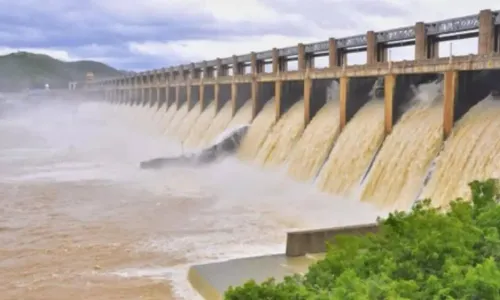
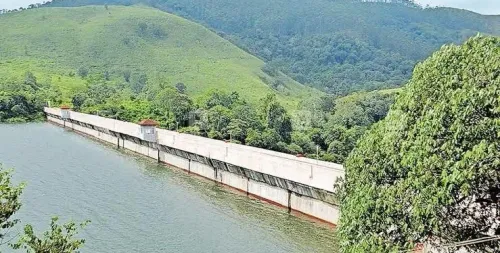
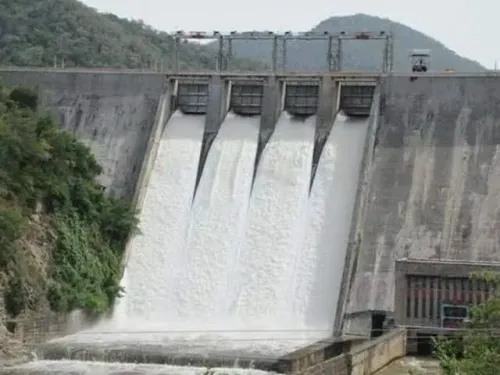
Mullaperiyar dam water level hits 123 ft as heavy rains boost inflow to 1,782 cusecs
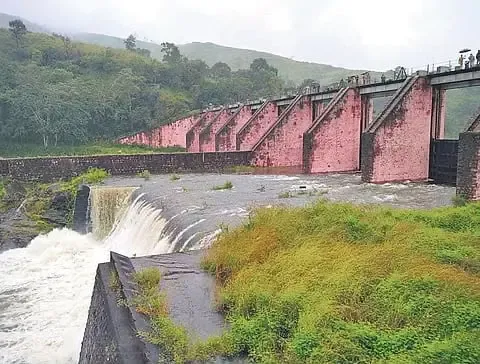
Synopsis
After months of below-normal inflow that delayed Tamil Nadu's first paddy season by over two months, the Mullaperiyar dam has finally crossed 123 feet with inflow nearly tripling overnight to 1,782 cusecs. The turnaround offers a narrow window of relief for farmers across five districts — but it rests entirely on whether the rains hold in Kerala's catchment zones.
Key Takeaways
Mullaperiyar dam water level rose to 123 feet on 7 November 2026 following heavy overnight rainfall in catchment areas.
Inflow surged from 634 cusecs to 1,782 cusecs ; reservoir now holds 3,163 mcft of water.
Five districts — Theni , Dindigul , Madurai , Sivaganga , and Ramanathapuram — depend on the dam for irrigation and drinking water.
Water release for the first paddy season was delayed from 1 June to 8 August due to insufficient monsoon rainfall.
Authorities had earlier cut discharge from 800 cusecs to 400 cusecs to conserve storage.
Further improvement depends on sustained rainfall in Kerala's catchment areas.
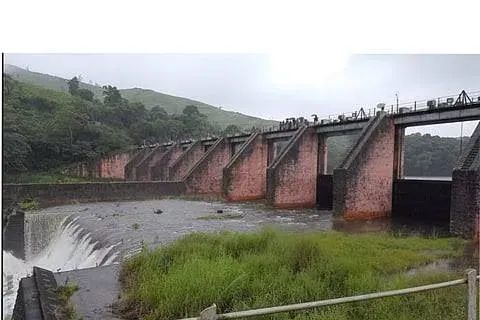
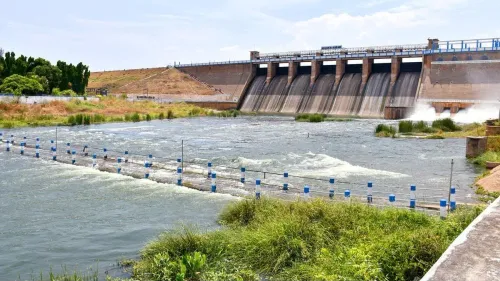
Heavy rainfall across the catchment areas of the Mullaperiyar dam has pushed the reservoir level to 123 feet, with water inflow surging to 1,782 cusecs — nearly three times the previous rate of 634 cusecs — bringing significant relief to drought-stressed farmers across five southern Tamil Nadu districts. The improvement, reported on 7 November 2026, follows weeks of declining storage and reduced water releases that had disrupted the ongoing agricultural season.
Current Reservoir Position
The dam currently holds 3,163 million cubic feet (mcft) of water, a marked improvement over recent weeks. The overnight rainfall surge in Kerala's catchment zones drove the sharp inflow spike, arresting what had been a sustained decline in storage levels. Authorities are closely monitoring inflow patterns as conditions remain contingent on continued rainfall.
How the Season Unravelled
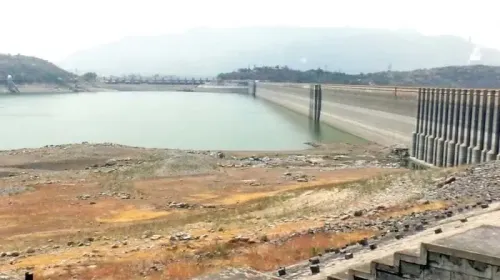
The Mullaperiyar dam, situated in Kerala near the Tamil Nadu border, is the primary irrigation and drinking water source for Theni, Dindigul, Madurai, Sivaganga, and Ramanathapuram districts. This year, below-normal southwest monsoon rainfall severely disrupted the routine water schedule. The first paddy cultivation season water release, originally scheduled for 1 June, was delayed by more than two months and was eventually made on 8 August due to insufficient reservoir storage.
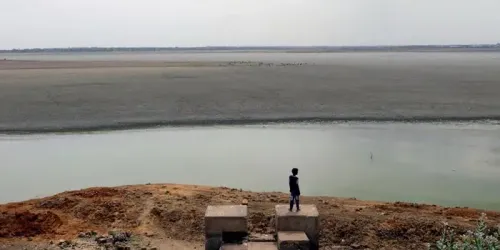
As inflow continued to disappoint through the monsoon months, authorities were forced to cut water discharge to Tamil Nadu from 800 cusecs to 400 cusecs in a bid to conserve available storage while meeting essential drinking water requirements. Thousands of farmers cultivating paddy and other crops across the five districts bore the brunt of these reductions.
Relief for Farmers, With Caveats
The recent improvement has rekindled hope among farming communities that had grown anxious about the viability of the ongoing agricultural season. Sustained inflow at current levels could stabilise irrigation supply and prevent further delays to crop cycles. However, officials caution that the situation remains entirely dependent on rainfall continuity in the upstream catchment areas — a factor outside administrative control.
Notably, this is not the first time the Mullaperiyar reservoir has experienced a late-season recovery; similar weather-dependent swings have characterised the dam's storage pattern in recent years, underscoring the structural vulnerability of an irrigation system serving millions in the Tamil Nadu hinterland.
What Authorities Are Watching
Dam management officials are expected to calibrate water releases carefully, balancing agricultural demand against the need to maintain adequate drinking water reserves. If the current wet weather conditions across Kerala persist, further improvement in storage is likely. Farmers in the five beneficiary districts remain cautiously optimistic, with the next few weeks of rainfall patterns in the catchment areas set to determine how the rest of the cultivation season unfolds.
Point of View
Delayed releases, farmer distress, then relief when the rains finally arrive. The long-term answer is reservoir augmentation and inter-district water planning, not weather-dependent hope.
NationPress
7 Nov 2026
Frequently Asked Questions
What is the current water level at Mullaperiyar dam?
As of 7 November 2026, the Mullaperiyar dam water level stands at 123 feet, with the reservoir holding 3,163 million cubic feet of water. This follows a sharp rise in inflow to 1,782 cusecs after heavy overnight rainfall in the catchment areas.
Which Tamil Nadu districts benefit from Mullaperiyar dam water?
The five districts that depend on Mullaperiyar dam for irrigation and drinking water are Theni, Dindigul, Madurai, Sivaganga, and Ramanathapuram. Thousands of farmers in these districts cultivate paddy and other crops using water released from the reservoir.
Why was water release from Mullaperiyar delayed this year?
The first paddy season water release, originally scheduled for 1 June 2026, was delayed by more than two months to 8 August because below-normal southwest monsoon rainfall left the reservoir with insufficient storage. Authorities also cut discharge from 800 cusecs to 400 cusecs to conserve water.
How much has inflow into Mullaperiyar dam increased?
Inflow rose from 634 cusecs to 1,782 cusecs — nearly a threefold increase — following heavy overnight rainfall in Kerala's catchment areas on 7 November 2026. The improvement has been attributed to continuous rainfall across parts of Kerala over the past few days.
Will the water situation improve further for Tamil Nadu farmers?
Further improvement in reservoir storage is likely if the current wet weather conditions in the catchment areas persist. However, authorities caution that the situation remains dependent on continued rainfall, and water releases will be monitored carefully to balance agricultural and drinking water needs.