PMEGP scheme turns Bihar trader Suman Kumar into a job creator
Synopsis
A small-town furniture trader from Sheikhpura, Bihar who once had to migrate to Mumbai for work has used a PMEGP loan and subsidy to modernise his business and employ four people locally — a ground-level snapshot of what India's flagship micro-enterprise scheme looks like when it works.
Key Takeaways
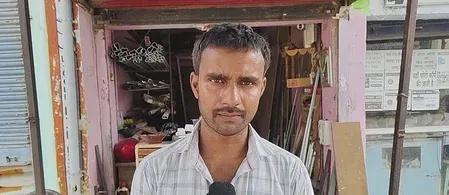
Suman Kumar of Koiri Bigha village, Sheikhpura, Bihar transformed his furniture shop using a PMEGP loan and subsidy.
He previously migrated to Mumbai for work, spending nearly five years there before returning home.
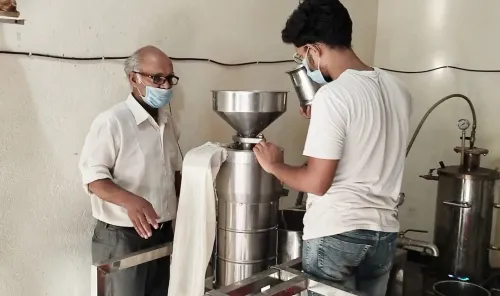
With PMEGP support, he purchased modern machinery and scaled up production at his Barbigha market outlet.
His business now provides employment to four other people in the local community.
PMEGP is a Centre-run scheme under the MSME Ministry , targeting non-farm micro enterprises to curb migration and build self-reliance.
Suman Kumar, a resident of Koiri Bigha village in Sheikhpura district, Bihar, has gone from struggling small-time trader to local job creator — all through the Prime Minister's Employment Generation Programme (PMEGP). His story illustrates how the Centre's flagship micro-enterprise scheme is reshaping livelihoods in one of India's most migration-prone states.
From Mumbai Migrant to Hometown Entrepreneur
After completing his intermediate education, Suman found few viable employment options in Bihar and relocated to Mumbai, where he worked with a company for nearly five years. Returning to his hometown, he set up a small furniture shop in the Barbigha market, but limited capital kept the venture from growing. 'Such schemes by the government have enabled the nation's youth to become self-reliant,' he said, expressing gratitude to Prime Minister Narendra Modi.
How PMEGP Made the Difference
On the advice of a friend, Suman visited the Sheikhpura Industries Department office, where officials walked him through the PMEGP application process. Within days of applying, he received a loan bundled with a government subsidy — the scheme's core financial structure for non-farm micro enterprises. He used the funds to purchase modern machinery and systematically scaled up his furniture business.
Impact on Income and Employment
The business turnaround has had a direct ripple effect. Suman now earns a stable income that supports his family and keeps his children's education uninterrupted. Notably, he has also created employment for four other individuals in his community — a modest but meaningful contribution to local job generation in a district historically marked by out-migration.
What PMEGP Is and Why It Matters
PMEGP is administered by the Ministry of Micro, Small and Medium Enterprises (MSME) and channelled through the Khadi and Village Industries Commission (KVIC). The scheme targets entrepreneurs in the non-farm sector, offering subsidised credit to set up micro enterprises. Its stated objectives include curbing rural-to-urban migration, fostering self-reliance, and driving inclusive economic growth — goals that Suman Kumar's trajectory directly reflects.
Bihar, with its high dependence on remittances and persistent labour out-migration, represents one of the scheme's most critical target geographies. Cases like Suman's suggest that when outreach and implementation align, the programme can alter individual economic trajectories — and, cumulatively, community ones.
Point of View
And anecdotal wins, however genuine, do not substitute for district-level data on loan utilisation, enterprise survival rates, and net employment generated. The scheme's real test is whether it is creating durable businesses or one-time subsidy events. Until KVIC publishes verifiable outcome data at the block level, stories like Suman's — compelling as they are — remain data points, not trend lines.
NationPress
17 Sept 2026
Frequently Asked Questions
What is the PMEGP scheme and who can apply?
The Prime Minister's Employment Generation Programme (PMEGP) is a Centre-run credit-linked subsidy scheme administered through the KVIC, aimed at helping individuals set up non-farm micro enterprises. Entrepreneurs like Suman Kumar can apply through district-level industry offices and receive a loan bundled with a government subsidy to start or expand a business.
How did Suman Kumar benefit from the PMEGP scheme?
Suman Kumar applied for PMEGP through the Sheikhpura Industries Department and received a loan with a subsidy within days. He used the funds to buy modern machinery, scale up his furniture business in Barbigha market, and now employs four people locally.
Why is PMEGP particularly significant for Bihar?
Bihar is one of India's highest sources of inter-state migrant labour, with limited local employment options pushing workers like Suman Kumar to cities like Mumbai. PMEGP targets this dynamic directly by funding micro enterprises in the non-farm sector, aiming to make self-employment viable at the hometown level.
How many jobs has Suman Kumar created through his business?
Suman Kumar's expanded furniture business currently provides employment to four people in his local community in Sheikhpura district, Bihar.
Which government body implements the PMEGP scheme?
PMEGP is implemented by the Ministry of Micro, Small and Medium Enterprises (MSME) and channelled primarily through the Khadi and Village Industries Commission (KVIC), with support from district-level industry offices across states.