How Are Social Issues and Daily Requirements Affecting Polling Matters in Bihar as Rahul Gandhi’s ‘Vote Chori’ Loses Ground?
Synopsis
In Bihar, the political landscape is shifting as social issues and daily necessities overshadow the fading narrative of Rahul Gandhi's 'vote chori'. Tejashwi Yadav's solo journey across key districts signals a focus on voter sentiments and effective governance, reshaping the electoral discourse ahead of the Assembly elections.
Key Takeaways
Tejashwi Yadav's tour aimed at assessing voter sentiments.
The 'vote chori' narrative has diminished in relevance.
Electoral list revisions have spurred discussions on voter rights.
Engagement in governance issues is becoming crucial for candidates.
Festival seasons have impacted political campaigning strategies.
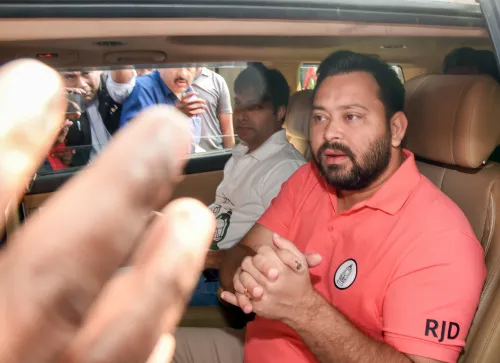
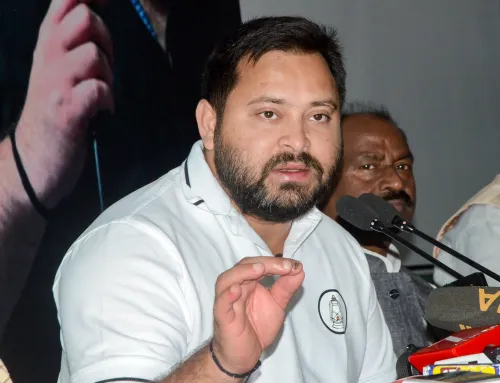
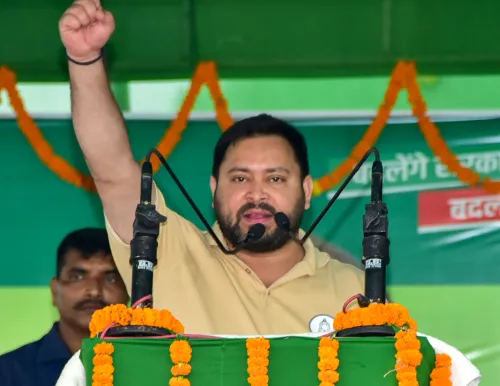
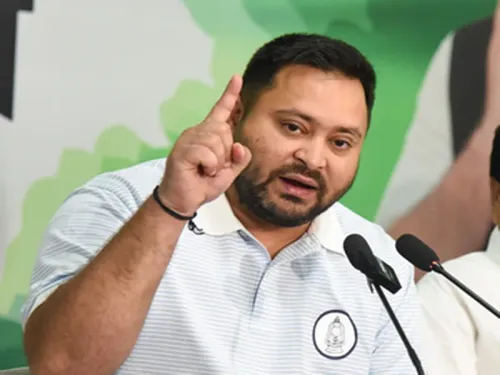
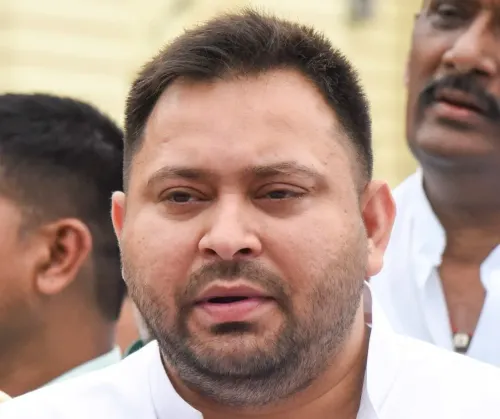
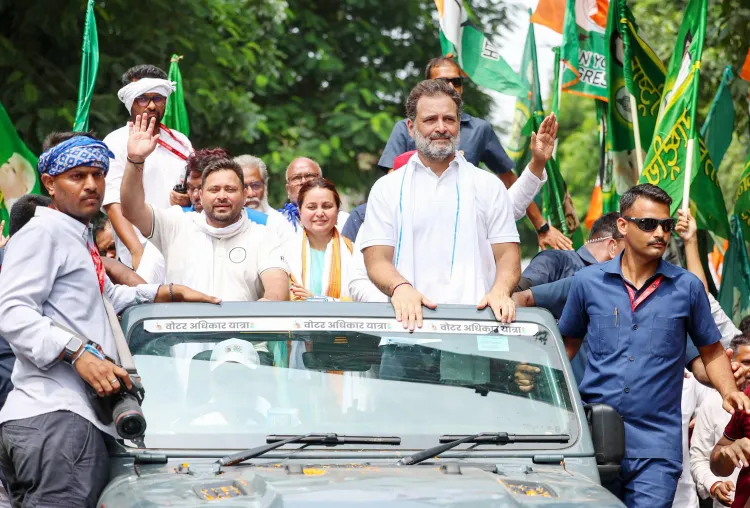
New Delhi, Nov 5 (NationPress) Following the conclusion of the 'Voter Adhikar Yatra' in Bihar last September, the prominent leader of the Mahagathbandhan's main ally, Rashtriya Janata Dal (RJD), Tejashwi Yadav, embarked on a solo expedition across several districts deemed vital for his party in the upcoming Assembly elections.
This five-day journey aimed to independently assess the sentiments of the electorate in 10 out of Bihar’s 38 districts where the RJD has either strengthened its influence or maintained a steady position since 2010.
Meanwhile, other constituents of the Mahagathbandhan organized their own meetings and focused on essential electoral tasks such as candidate selection and strategizing for the polls.
The initial enthusiasm surrounding the “vote chori” narrative has since diminished, making way for discussions on effective governance, welfare initiatives, and various political maneuverings.
Tejashwi Yadav's independent exploration of constituencies with promising prospects was an effort to gauge public sentiment while positioning himself as a serious candidate for the Chief Minister’s role, according to some supporters.
Many believe that the RJD de facto leader recognized that merely echoing the “vote chori” slogan wouldn’t secure a mandate, as the electorate desires more substantive issues.
Moreover, this slogan has become increasingly associated with the Congress and Leader of the Opposition (LoP) in the Lok Sabha, Rahul Gandhi.
Subsequently, the Election Commission disclosed the results of its Special Intensive Revision (SIR) of Bihar’s electoral list at the end of September, revealing that nearly 7.42 crore electors were included.
During the 'Voter Adhikar Yatra', Rahul Gandhi and his Mahagathbandhan allies alleged that the SIR aimed to disenfranchise a significant number of voters, particularly those from specific religions and supporters of the Congress and its allies.
They claimed that around 68 lakh names were removed from the voters' list, potentially leading to further exclusions. However, ultimately, over 21.5 lakh names were reinstated after the claims and objections period.
Individuals could still apply for their names to be included in the electoral roll until 10 days prior to the nomination deadline for elections.
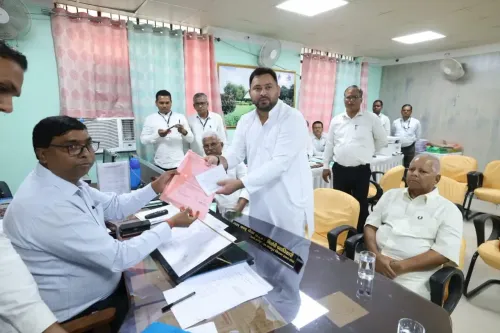
The final dates for filing nominations, following the election body’s announcement for the Bihar Assembly elections, were October 17 and 20 for the two polling phases.
Post 'Voter Adhikar Yatra', the discourse shifted towards demands for investigations and judicial reviews rather than sustained mass mobilization, allowing institutional processes to unfold while diminishing ongoing public agitation.
During this period, from September 1 to October 29, the Congress LoP was notably absent from campaigning. Some party leaders attributed this absence to festivals such as Diwali and Chhath Puja.
Even if LoP Gandhi had opted to campaign until the end of October, he neglected to visit Congress offices or polling centers to uplift the spirits of his party members.
Nor did he seek to address concerns when some names were omitted from the Congress candidate list, nor did he engage in seat-sharing discussions with allies despite regional leaders advocating for greater seat allocation.
The Congress High Command instead dispatched its “emissaries” to manage these issues. Consequently, parties like the RJD and the Left took the lead in negotiations, utilizing their historical performances as leverage.
Interestingly, the constituents of the Mahagathbandhan have consistently criticized the Congress’s performance in the 2020 Assembly elections.
Point of View
It’s crucial to recognize the evolving dynamics in Bihar’s political landscape. The shift from slogans to substantive governance reflects a growing awareness among voters about their daily concerns. As the elections draw near, effective engagement with the electorate will be paramount for all parties involved. NationPress remains committed to delivering unbiased coverage of these developments.
NationPress
23 Sept 2026
Frequently Asked Questions
What is the significance of Tejashwi Yadav's solo journey?
Tejashwi Yadav's solo journey across key districts is significant as it demonstrates an effort to connect with voters and understand their concerns ahead of the Assembly elections.
How has the 'vote chori' narrative evolved?
'Vote chori' has lost its initial momentum, with voters now prioritizing issues related to governance and welfare, reflecting a shift in electoral focus.
What are the implications of the Election Commission's SIR results?
The Election Commission's SIR results reveal changes in the electoral list, sparking debates about voter disenfranchisement and the importance of civic engagement.
Why was Rahul Gandhi absent from campaigning?
Rahul Gandhi's absence from campaigning has been attributed to festival observances, raising questions about the Congress's engagement with voters.
What challenges do the Congress and Mahagathbandhan face in these elections?
Both the Congress and Mahagathbandhan face challenges in addressing voter concerns and effectively mobilizing support, especially amidst criticism of past performances.