Is it Possible for a Five-Year-Old to be a Father? Progeny Mapping Reveals Shocking Case!
Synopsis
In a stunning revelation from West Bengal's voter registration process, a shocking case surfaced during the Special Intensive Revision, where a voter allegedly became a father at just five years old. This article explores the implications of this bizarre finding on the integrity of the electoral process and the steps being taken by the Election Commission.
Key Takeaways
Progeny mapping reveals significant voter registration anomalies.
The Election Commission is investigating cases of abnormal age discrepancies.
Legal actions may be taken against those providing false information.
Over 1.60 lakh voters have been flagged for unusual family trees.
The integrity of the electoral system is paramount for a healthy democracy.
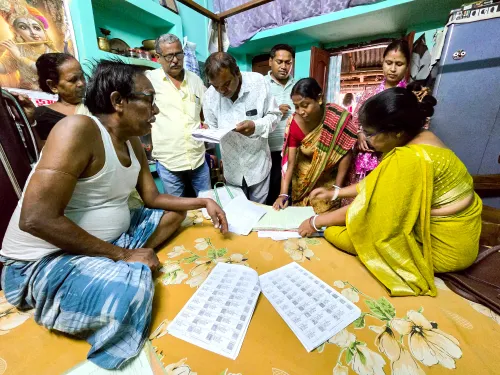
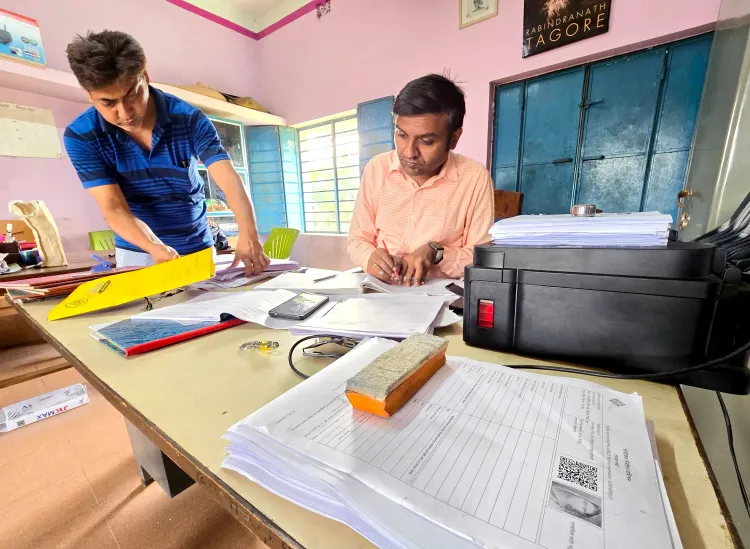
Kolkata, Dec 14 (NationPress) Progeny mapping during the ongoing Special Intensive Revision (SIR) in West Bengal has uncovered an astonishing case of a voter who allegedly became a father of two sons at the mere age of five!
This revelation, seemingly unbelievable, has surfaced in Part 175 of the Mangalkot assembly constituency, located in the East Burdwan district.
The serial numbers 438 and 440 in this constituency are attributed to brothers Lakkhi Majhi, aged 60, and Sagar Majijhi, aged 59, respectively.
Interestingly, they have identified Saroj Majhi, aged 64, as their father, implying that Saroj became a father at just five years old.
Saroj Majhi's serial number in Part 175 is 437. Notably, both Lakkhi and Sagar were not registered voters in 2002, which was the last time SIR was conducted in West Bengal, thus they fall under the progeny mapping category.
Self-mapping voters are those whose names appear in both the current voters' list as of October 27, 2025, and the 2002 voters' list.
Conversely, progeny-mapping voters are those who lack their own names but have their parents' names listed in 2002.
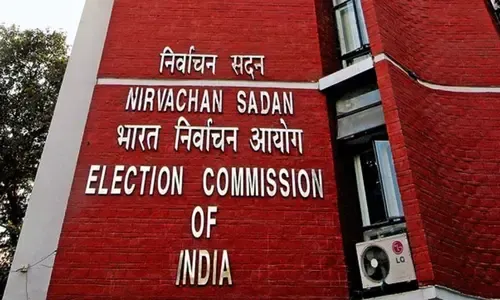
According to a source from the Chief Electoral Officer (CEO), the Commission intends to summon both brothers during the claims and objections hearings to clarify the significant age gap with their father. If it is determined that they provided false documentation to maintain their names on the voters' list, or if Saroj Majhi is not their actual father, the Election Commission of India will pursue stringent legal action against them.
The ECI has already flagged over 1.60 lakh voters with strange family-tree data identified through progeny mapping.
Such voters with unusual family trees are those who have sought to retain their names using progeny mapping rather than self-mapping, despite being 45 years or older.
As per the last SIR conducted in 2002, individuals aged 45 or older would have been eligible voters by then, raising questions about why they did not register back in 2002, necessitating their reliance on progeny mapping now.
The second group of voters with peculiar family-tree data includes those whose fathers were merely 15 years old or younger when they became fathers themselves. The Commission estimates around 12 lakh such voters.
The third category consists of voters whose fathers and mothers share the same name, estimated to be around 13 lakh.
Lastly, the fourth group includes voters whose grandfathers were only 40 years or younger when they became grandfathers, with an estimated count of approximately 3.50 lakh.
Point of View
It's crucial to highlight the integrity of our electoral system. The bizarre findings from the Special Intensive Revision raise essential questions about voter registration processes and the implications of such anomalies on our democracy. We stand committed to ensuring a transparent and trustworthy electoral framework.
NationPress
7 Oct 2026
Frequently Asked Questions
What is progeny mapping?
Progeny mapping is a method used to identify voters who do not have their own names in the current voters' list but have their parents' names listed in previous rolls.
Why are there discrepancies in voter ages?
Discrepancies arise when individuals are identified as voters at ages that are biologically impossible, leading to investigations by the Election Commission.
What actions will the Election Commission take?
The Election Commission will summon individuals involved to clarify their registration details and may take legal action if false information is discovered.
How many voters are affected by these anomalies?
The Commission has identified over 1.60 lakh voters with unusual family-tree data as a result of the ongoing progeny mapping.
What are the implications for future elections?
These findings necessitate a review of the electoral registration process to prevent similar issues and ensure the integrity of future elections.