BJD MP Sasmit Patra urges NCLT, NCLAT infrastructure overhaul after Delhi power outage
Synopsis
A power outage that halted proceedings at the NCLT's Delhi bench on 18 May has put a spotlight on years of neglect: flooded courtrooms, rented MTNL premises, and overworked members operating from temporary spaces. BJD MP Sasmit Patra's letter to the Corporate Affairs Ministry frames this not as a maintenance issue but as a structural threat to India's insolvency framework.
Key Takeaways
BJD MP Sasmit Patra wrote to MoS Corporate Affairs Harsh Malhotra on 18 May seeking urgent NCLT and NCLAT infrastructure reforms.
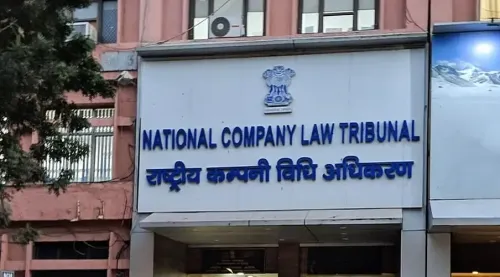
A power outage at the NCLT Principal Bench, CGO Complex, New Delhi reportedly disrupted court proceedings on the same day.
During last year's monsoon, courtrooms at the CGO Complex reportedly flooded, forcing half-day shifts and shared courtrooms.
The NCLAT currently operates from rented MTNL premises ; Judicial and Technical Members work out of temporary spaces.
Patra's demands include permanent infrastructure, uninterrupted power backup, augmented bench strength, and a review of the compulsory three-year rotation policy .
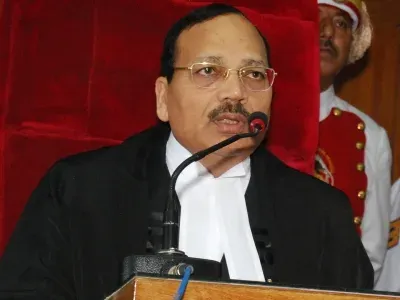
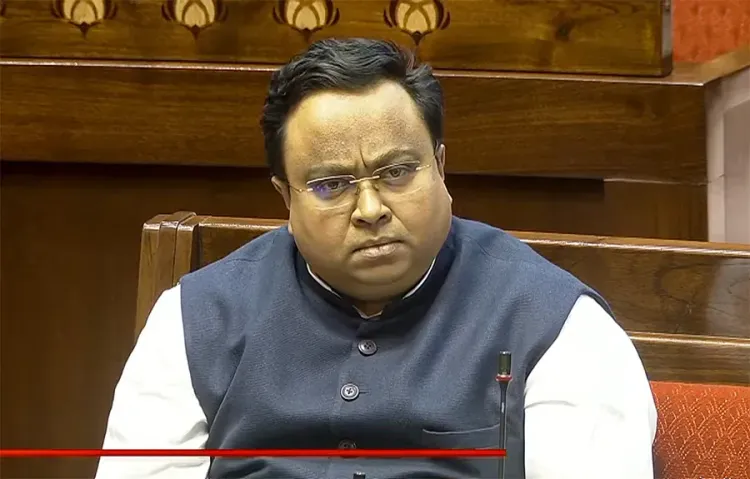
Rajya Sabha Member of Parliament and senior Biju Janata Dal (BJD) leader Sasmit Patra on Monday, 18 May wrote to Minister of State for Corporate Affairs Harsh Malhotra, calling for urgent measures to strengthen the infrastructure and institutional capacity of the National Company Law Tribunal (NCLT) and the National Company Law Appellate Tribunal (NCLAT). The letter came in the wake of a reported power outage at the NCLT Principal Bench in New Delhi that allegedly disrupted ongoing court proceedings.
The Trigger: Power Outage at CGO Complex
The immediate provocation for Patra's letter was a power failure at the NCLT Principal Bench located at the CGO Complex, Lodhi Road, New Delhi, which reportedly occurred on the same day. According to the letter, inadequate backup power support meant that court proceedings were disrupted — an incident Patra described as symptomatic of a deeper, systemic problem with tribunal infrastructure across the country.
Patra noted that the outage was not an isolated event. During the monsoon last year, courtrooms at the CGO Complex reportedly flooded, forcing courts to operate in shared spaces and on half-day shifts — conditions he argued were incompatible with the gravity of matters adjudicated before these tribunals.
Conditions on the Ground
The letter drew attention to the constrained working conditions under which Judicial and Technical Members of the NCLT currently operate. Members reportedly discharge their duties from temporary and rented premises, while the NCLAT continues to function from rented Mahanagar Telephone Nigam Limited (MTNL) premises.
'Many practitioners appearing before the National Company Law Tribunal would attest to the difficult circumstances in which the institution continues to function,' Patra wrote in his communication to the minister.
NCLT's Growing Economic Significance
Patra emphasised that despite these infrastructural constraints, the NCLT has evolved from a Company Law Tribunal into what he called the backbone of India's insolvency framework, delivering significant economic outcomes under mounting judicial workloads and limited institutional support. The tribunal sits at the centre of proceedings under the Insolvency and Bankruptcy Code (IBC), handling cases involving large corporate debtors and financial creditors.
The BJD leader argued that institutions entrusted with responsibilities of such economic significance deserve commensurate institutional support and recognition — a case he said the current ground realities starkly contradict.
Key Demands Raised with the Ministry
In his letter to the Ministry of Corporate Affairs, Patra urged consideration of the following measures:
Permanent and modern infrastructure for NCLT and NCLAT benches across the country; uninterrupted courtroom operations supported by adequate power backup systems; augmentation of bench strength along with permanent staffing; improved institutional support for Judicial and Technical Members; and a review of the compulsory three-year rotation policy to promote continuity and specialisation among members.
'The National Company Law Tribunal and its Members deserve institutional support and recognition while functioning under extraordinarily difficult circumstances,' Patra stated in the letter.
What Happens Next
The Ministry of Corporate Affairs is yet to formally respond to Patra's letter, according to available information. With the NCLT's caseload continuing to grow as IBC proceedings intensify, the call for infrastructure reform is likely to find resonance among legal practitioners and industry stakeholders who regularly engage with the tribunal system.
Point of View
Yet its physical and administrative infrastructure has not kept pace. Flooded courtrooms, rented premises, and power outages are not minor inconveniences — they are signals of institutional neglect that can affect the quality and timeliness of adjudication. The three-year rotation policy, which Patra flags, is a particularly underreported structural flaw: it prevents members from building the deep sectoral expertise that complex insolvency cases demand. Whether the Ministry of Corporate Affairs treats this letter as a political formality or a policy prompt will say much about how seriously the government takes the institutions it has charged with resolving India's corporate debt crisis.
NationPress
1 Oct 2026
Frequently Asked Questions
Why did BJD MP Sasmit Patra write to the Ministry of Corporate Affairs?
Sasmit Patra wrote to Minister of State for Corporate Affairs Harsh Malhotra on 18 May 2025 to demand urgent infrastructure improvements for the NCLT and NCLAT, prompted by a power outage that reportedly disrupted proceedings at the NCLT's Principal Bench in New Delhi. He argued the incident reflects a broader pattern of institutional neglect.
What problems did Sasmit Patra highlight about NCLT infrastructure?
Patra pointed to a power outage disrupting court proceedings, flooding of CGO Complex courtrooms during last year's monsoon, Judicial and Technical Members working from temporary and rented premises, and the NCLAT operating from rented MTNL premises. He described these as conditions incompatible with the tribunal's economic significance.
What specific reforms did Sasmit Patra demand for the NCLT and NCLAT?
Patra urged the Ministry to develop permanent and modern infrastructure for NCLT and NCLAT benches, ensure uninterrupted power backup, augment bench strength and permanent staffing, improve support for Judicial and Technical Members, and review the compulsory three-year rotation policy to promote continuity and specialisation.
What is the NCLT and why does it matter?
The National Company Law Tribunal (NCLT) is the primary adjudicating authority under India's Insolvency and Bankruptcy Code (IBC), handling cases involving corporate insolvency, mergers, and company law disputes. It has grown into a central pillar of India's economic and financial restructuring framework since the IBC came into force.
Has the Ministry of Corporate Affairs responded to Patra's letter?
As of the time of reporting, no formal response from the Ministry of Corporate Affairs to Patra's letter has been made public. The ministry's next steps will be closely watched by legal practitioners and industry stakeholders who regularly engage with the NCLT system.