BJP Ready for Victory in Delhi Elections: Manohar Lal Khattar
Synopsis
Union Minister Manohar Lal Khattar expressed strong confidence that the BJP will secure a clear majority in the upcoming Delhi Assembly elections, highlighting the positive voter sentiment and readiness to win. He also discussed the party's preparations for the municipal elections in Haryana.
Key Takeaways
Manohar Lal Khattar predicts BJP victory in Delhi Assembly elections .
Positive voter sentiment and strong support for BJP .
Past decade under Kejriwal influences voter decisions.
Upcoming municipal elections in Haryana also viewed positively.
Results expected on February 8, shaping Delhi's political future.
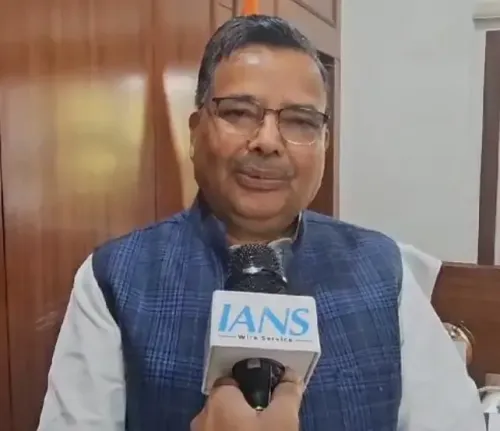
New Delhi, Feb 5 (NationPress) Union Minister Manohar Lal Khattar expressed assurance on Wednesday, stating that the BJP will claim victory in the Delhi Assembly elections, achieving a significant majority.
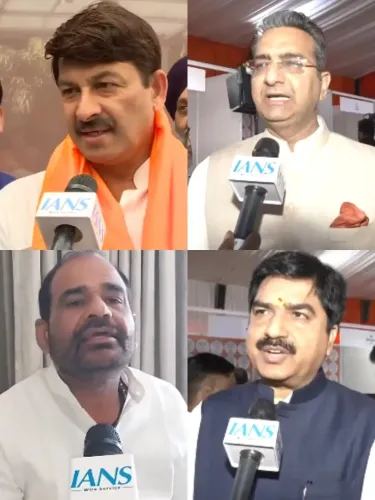
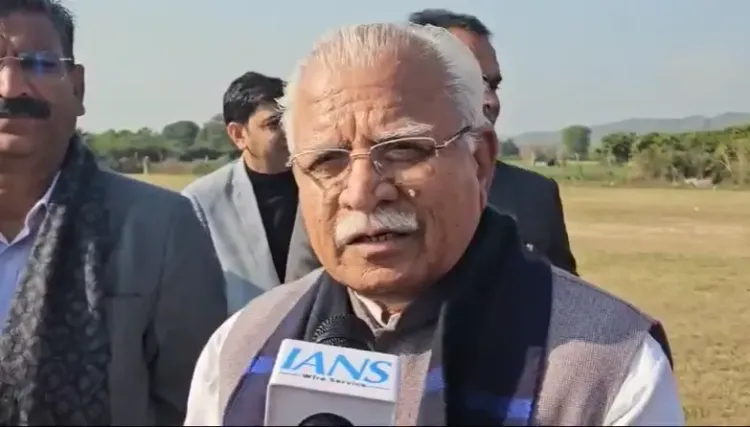
In an interview with IANS, Khattar pointed out the encouraging sentiment surrounding the polls, underscoring that voters are enthusiastic and displaying robust support for the BJP.
"From my observations, people are eagerly participating in the voting process, and there’s a definitive momentum building in favor of the BJP. When the atmosphere is this optimistic, it’s clear that we are on the path to a substantial victory," Khattar stated.
"The electorate is well aware of the last decade under Kejriwal's leadership, and this time, the BJP is ready to establish the government in Delhi with a solid majority."
The BJP leader also commented on the forthcoming municipal corporation elections in Haryana, scheduled for March 2, expressing faith in the party’s success.
"The BJP is consistently prepared for elections, and we are set to win. In Haryana's municipal elections, we will also achieve a clear majority. There is no election where the BJP is not ready to succeed," he added.
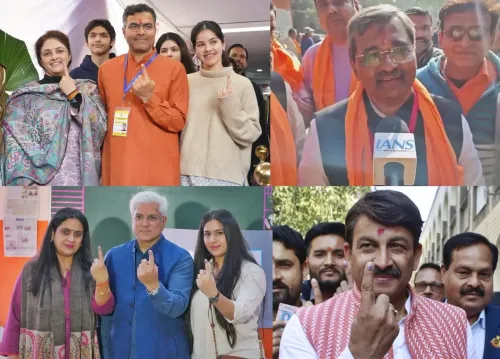
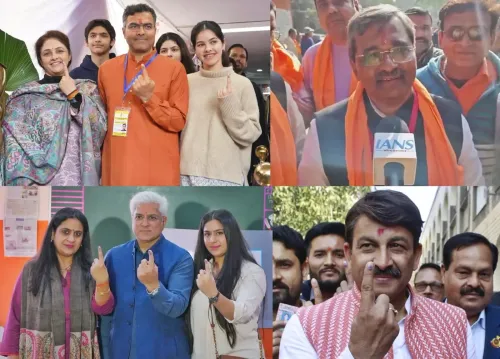
As voting for Delhi’s 70-member Assembly is in progress, several prominent figures, including President Droupadi Murmu, Union Ministers Hardeep Singh Puri and S Jaishankar, Delhi Chief Minister Atishi, AAP leaders Arvind Kejriwal and Manish Sisodia, as well as Congress’ Alka Lamba, cast their votes early in the day.
The eagerly awaited results, which will shape the political scenario of Delhi for the next five years, are set to be announced on February 8. The competition is intense, with the Aam Aadmi Party (AAP), BJP, and Congress vying for supremacy.
A voter turnout of 46.55 per cent was recorded by 3 p.m. in the Delhi Assembly polls. Despite a lively turnout, the voting process has remained largely peaceful, with many voters feeling optimistic about the results and energized by the distinct atmosphere surrounding this year’s election.