BJP's R. Ashoka Critiques Karnataka's Tax Hikes on Fuel
Synopsis
In a heated exchange, BJP leader R. Ashoka criticizes Karnataka's Deputy Chief Minister over rising fuel prices, attributing the increases to the Congress-led government's tax hikes. He calls for accountability and challenges the government to alleviate the burden on its citizens.
Key Takeaways
Karnataka's fuel tax hikes: Ongoing increases burden citizens.
Political critique: R.
Ashoka challenges Congress leadership.
Fiscal management: Government reliance on fuel taxes for revenue.
Historical context: Oil bonds from the UPA era impact current liabilities.
Public accountability: Call for tangible relief for citizens.
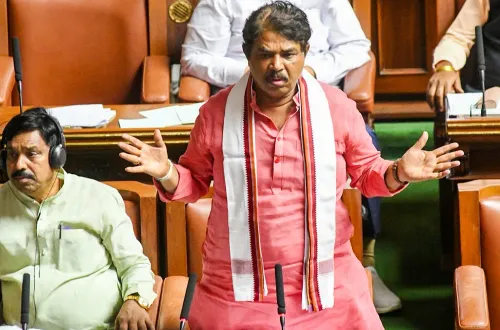
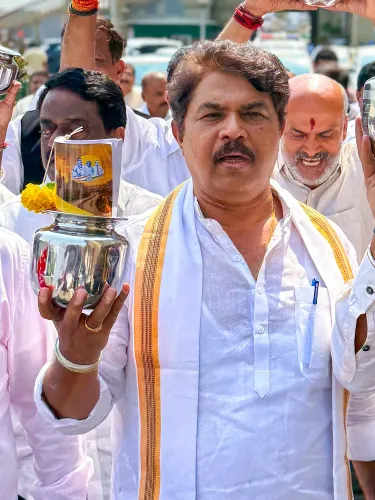
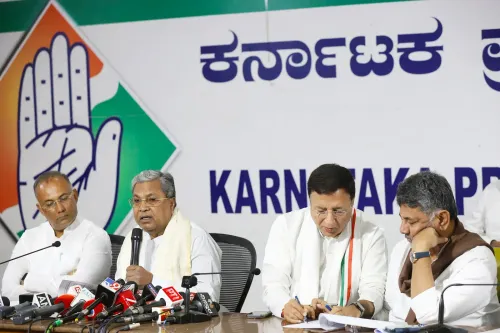
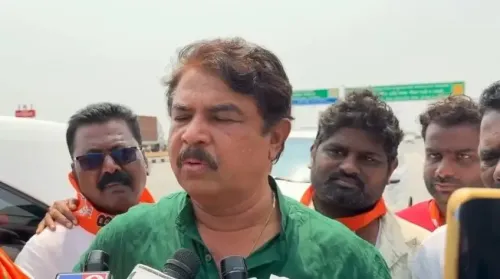
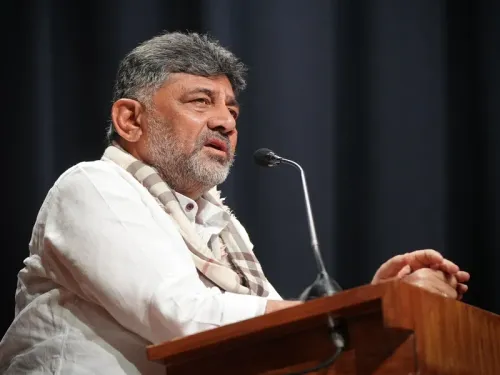
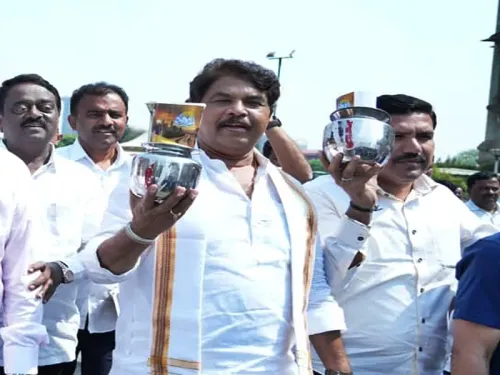
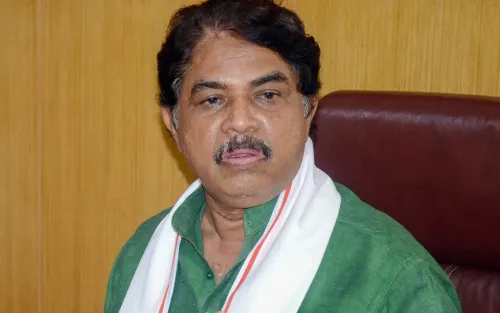
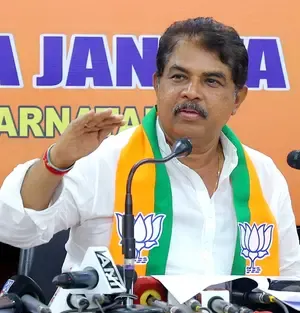
Bengaluru, March 27 (NationPress) R. Ashoka, a prominent BJP figure and Leader of the Opposition, responded sharply on Friday to criticisms from Karnataka Deputy Chief Minister and State Congress President D.K. Shivakumar regarding fuel pricing. He accused the Congress-led government of placing an undue burden on citizens through continuous tax increases on petrol and diesel.
Ashoka described it as “ironic and laughable” that Shivakumar would address the issue of escalating fuel prices while the state government itself has been responsible for raising taxes, thereby making fuel more expensive for the populace.
According to him, since the Congress administration, led by Chief Minister Siddaramaiah, took over in May 2023, it has heavily relied on fuel taxes as a key revenue source to cover up its fiscal mismanagement.
Ashoka alleged that the government raised petrol prices by approximately Rs 3 per litre and diesel by about Rs 3.5 per litre in June 2024 due to a sales tax increase.
He further asserted that diesel prices saw another hike of Rs 2 per litre in April 2025. He claimed these actions have resulted in Karnataka’s diesel prices becoming more than Rs 5.5 per litre higher strictly due to taxes imposed by the state.
Confronting Shivakumar’s criticisms of the central government, Ashoka questioned why the state continues to “penalize farmers, transporters, and commuters” with higher fuel costs.
He also addressed the Deputy Chief Minister’s queries about fuel revenues by referencing the Congress-led UPA government's issuance of oil bonds during 2005-2010, which he claimed shifted subsidy costs to future administrations.
Ashoka pointed out that the current NDA government under Prime Minister Narendra Modi is still managing the liabilities from those bonds, which he estimated to exceed Rs 1.5 lakh crore, including interest.
He accused the Congress party of taking undue credit for lower fuel prices in the past while transferring the financial burden to future taxpayers.
Contrasting the actions of the Centre with the state, Ashoka stated that when the Union government adjusted excise duties in April 2025, it ensured that retail consumers were not adversely affected. In contrast, he claimed that increases in fuel taxes by the Karnataka government directly impact consumers.
He further criticized the state’s financial strategy, suggesting that it views petrol and diesel as a “cash cow” to alleviate budgetary strains.
Ashoka challenged the Congress leadership to reverse the alleged Rs 5.5 per litre increase in diesel prices if they genuinely cared about the welfare of the public.
He called for accountability, asserting that the citizens of Karnataka are aware of what he termed “tax-and-blame politics” and urged the government to provide real relief rather than engage in mere rhetoric.
Point of View
Especially in a time of economic strain. A balanced discourse is essential for addressing these issues.
NationPress
24 Sept 2026
Frequently Asked Questions
What did R. Ashoka accuse the Karnataka government of?
R. Ashoka accused the Karnataka government of burdening citizens with repeated tax hikes on petrol and diesel.
How much did the state increase petrol and diesel prices?
The state raised petrol prices by about Rs 3 per litre and diesel by Rs 3.5 per litre, according to Ashoka.
What does Ashoka suggest about the government's fiscal strategy?
Ashoka suggests that the government treats petrol and diesel as a 'cash cow' to manage its budgetary issues.
What challenge did Ashoka pose to the Congress leadership?
Ashoka challenged the Congress leadership to roll back the alleged Rs 5.5 per litre increase in diesel prices.
What historical context did Ashoka provide regarding fuel subsidies?
Ashoka referenced the Congress-led UPA government's issuance of oil bonds, which deferred subsidy costs to future governments.