CM Fadnavis Spends Diwali With Drought-Hit Nagpur Farmers
Synopsis
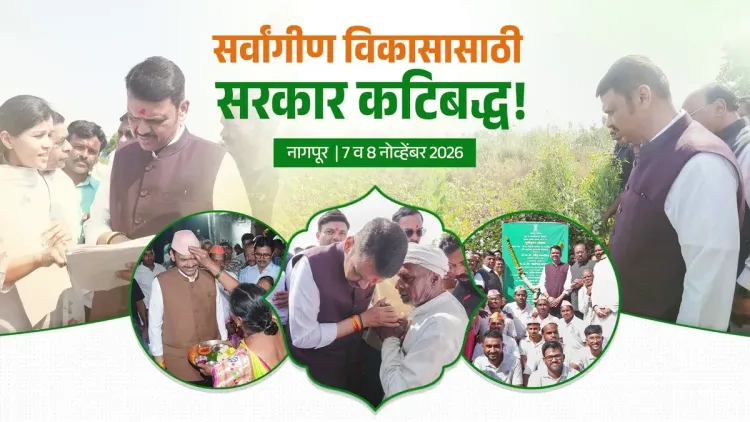
Maharashtra CM Devendra Fadnavis marked Diwali on 7-8 November by staying with a drought-hit farmer's family in Nagpur's Lohri Savanga, conducting a field crop survey, holding talks with local representatives, and inaugurating development works — signalling hands-on attention to Vidarbha's water stress.
Key Takeaways
CM Fadnavis spent Diwali on 7 and 8 November 2026 with a drought-affected farmer's family in Lohri Savanga, Nagpur district .
The visit included a formal crop inspection (pikpahani) on the farm, underscoring concern about drought-year rabi prospects.
Fadnavis performed a bhumipujan for local development works and held dialogue with elected local representatives.
Nagpur is the gateway to Vidarbha , Maharashtra's most drought-prone agricultural belt and a region of longstanding political and humanitarian significance.
Fadnavis's earlier Jalyukta Shivar Abhiyan (2015) established drought response as a core plank of his governance identity.
Follow-up rabi crop assessments and potential drought-mitigation announcements for Nagpur district are expected.
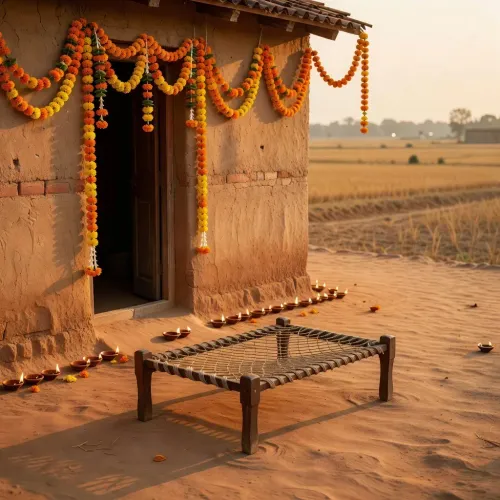
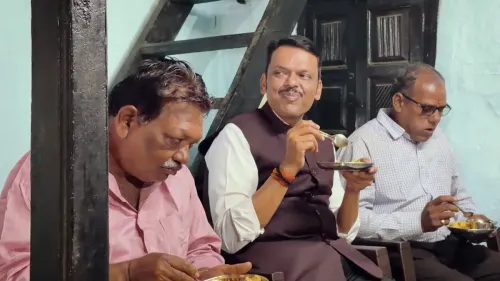
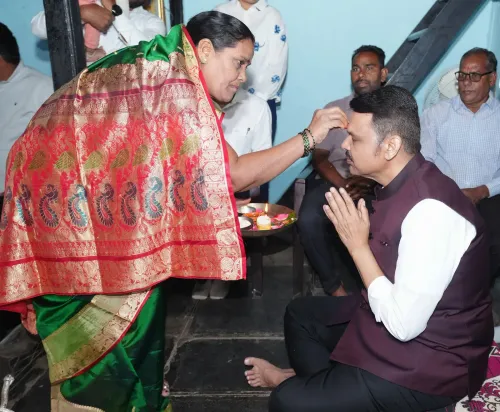
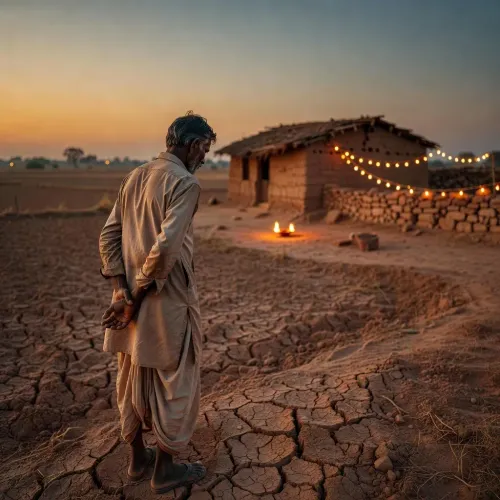
A Chief Minister spending Diwali not at a formal reception, but on the bund of a drought-stressed farm in Vidarbha — that is the image Maharashtra Chief Minister Devendra Fadnavis chose to project on 7 and 8 November 2026, as he marked the festival with a farmer's family in Lohri Savanga village, Nagpur district.
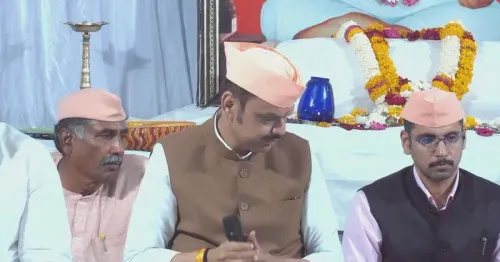
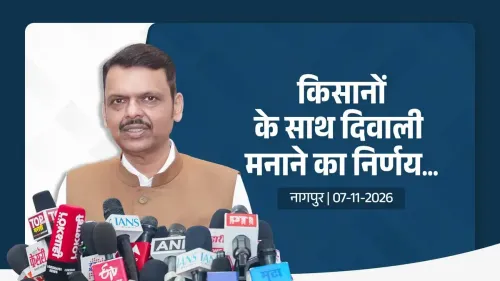
Posting a video from the visit, Fadnavis described it as 'a Diwali of togetherness, solidarity and commitment,' framing the two-day engagement as a deliberate immersion in rural realities rather than a ceremonial photo-stop. He walked the fields for a crop inspection, inaugurated local development works with a bhumipujan (ground-breaking ceremony), and held conversations with elected local representatives — all against the backdrop of acute drought conditions in the district.
Drought in Vidarbha, and Why Nagpur's Farms Are Watching the Sky
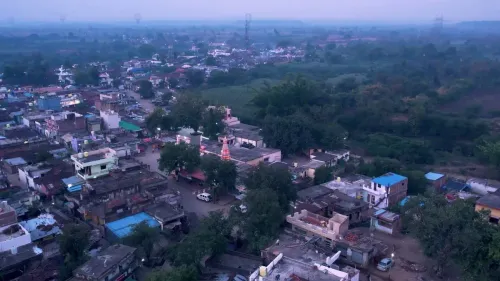
Nagpur anchors the Vidarbha region, Maharashtra's eastern agricultural belt that has historically suffered the state's most severe cycles of water stress and crop failure. Governments in Mumbai have long conducted high-visibility rural outreach in this belt during periods of distress — combining cultural participation with on-ground administrative review — precisely because Vidarbha's farmer sentiment carries both electoral and humanitarian weight. Fadnavis knows this terrain intimately. During his first stint as Chief Minister (2014–2019), his government launched the Jalyukta Shivar Abhiyan, a flagship watershed-development scheme aimed at breaking the cycle of recurrent drought through decentralised water conservation works across Maharashtra. That programme placed drought response at the centre of his governance identity — a thread this Diwali visit visibly picks up again.Crop Walk, Bhumipujan, and the Signal in the Symbolism
The choice to conduct a formal pikpahani — a field-level crop survey — alongside a cultural celebration is not incidental. Rabi sowing season follows the Diwali period, and a Chief Minister personally assessing standing crops in a drought year sends an administrative signal: that distress reports from the district are reaching the top of the government and that relief or input-support decisions may follow. Fadnavis's post in Marathi captures the texture of the visit: 'शेतकरी बांधवांच्या सुख-दुःखात सहभागी होत, त्यांच्या पाठीशी खंबीरपणे उभे राहण्याचा विश्वास देणाऱ्या दिवसांमधील काही खास क्षण' — 'special moments from days spent sharing in the joys and sorrows of farmer brothers, and reaffirming the pledge to stand firmly behind them.' Whether that pledge translates into concrete drought-relief measures — enhanced crop-insurance payouts, accelerated irrigation works, or rabi input subsidies — will be the story to watch in the days ahead.Point of View
Vidarbha's farmer vote is perennially contested terrain in Maharashtra, and a high-visibility solidarity gesture at a culturally charged moment keeps that constituency anchored ahead of any rural relief decisions. The crop-walk format also gives the CM deniability-free intelligence: whatever distress is documented on the bund goes directly into policy deliberation, not filtered through layers of administration.
NationPress
9 Nov 2026
Frequently Asked Questions
Why did CM Fadnavis spend Diwali with farmers in Nagpur?
Fadnavis visited a drought-affected farmer's family in Lohri Savanga, Nagpur on 7-8 November 2026 to mark Diwali in solidarity with rural communities facing water stress, conduct a crop inspection, and inaugurate local development works.
Where is Lohri Savanga village?
Lohri Savanga is a village in Nagpur district, located in Maharashtra's Vidarbha region — a belt historically prone to severe drought and agrarian distress.
What is Jalyukta Shivar Abhiyan?
Jalyukta Shivar Abhiyan is a drought-mitigation scheme launched in 2015 by the first Fadnavis government, focused on decentralised watershed conservation works to reduce Maharashtra's recurring water stress.
What is a pikpahani or crop inspection visit?
A pikpahani is a formal on-ground crop survey conducted by officials or leaders on farmland to directly assess standing crop health, yield prospects, and damage — especially important in drought or unseasonal-rain years.
What relief measures could follow Fadnavis's Nagpur visit?
Analysts expect possible follow-up announcements on rabi input support, crop-insurance acceleration, or drought-relief funds for Nagpur district, based on the ground assessment made during the visit.