Tamil Nadu BJP demands revocation of 60-day parole to five 1998 Coimbatore blast convicts
Synopsis
Tamil Nadu BJP has demanded the immediate cancellation of a 60-day parole granted to five life convicts in the 1998 Coimbatore serial blasts — an attack that killed 58 people. With a TVK legislator publicly thanking Chief Minister Vijay for the decision and the BJP invoking the Supreme Court's 'atrocious' characterisation of the crime, a politically charged standoff over justice, compassion, and security is now fully in play.
Key Takeaways
Tamil Nadu BJP demanded cancellation of 60-day parole granted to five life convicts in the 1998 Coimbatore serial bomb blasts case on 19 October 2026 .
The 1998 blasts killed 58 people and injured more than 250 in Coimbatore on 14 February 1998 .
The five convicts — Mohammed Ansari , Mohammed Ali , Monappa alias Mohammed Hassan , Mohammed Ajam , and Nawab Khan — have served more than 25 years in Coimbatore Central Prison .
Parole was granted on personal and health grounds cited in a petition filed by the convicts.
TVK legislator V M S Mustafa thanked Chief Minister Vijay for ordering the parole, highlighting the political divide over the decision.
BJP spokesperson Narayanan Thirupathy cited the Supreme Court's characterisation of the crime as 'atrocious' in demanding the parole's immediate withdrawal.
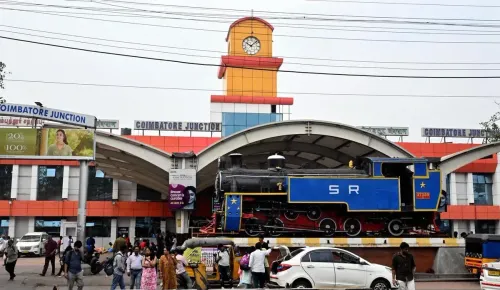
Tamil Nadu BJP on Monday, 19 October 2026, demanded the immediate cancellation of a 60-day parole granted to five life convicts in the 1998 Coimbatore serial bomb blasts case, accusing the TVK government of showing selective leniency towards individuals convicted of terrorism. The case involves one of the deadliest attacks in Tamil Nadu's history, which killed 58 people and injured more than 250 others.
What the BJP Said
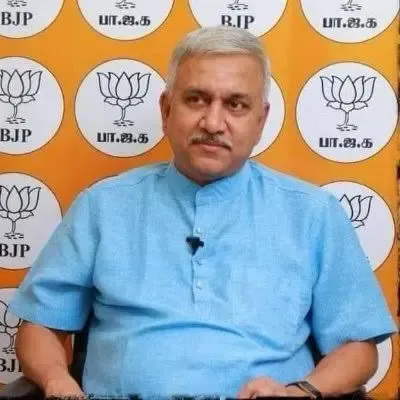
State BJP chief spokesperson Narayanan Thirupathy said the parole decision undermined justice for the victims and sent a troubling message about the government's priorities. Posting on X, he argued that personal circumstances could not outweigh the gravity of an attack that devastated Coimbatore nearly three decades ago. 'Justice for the victims of Coimbatore cannot be traded for political calculations,' Thirupathy said, adding that the convicts must serve their full sentences.
Thirupathy further noted that the Supreme Court had previously described the crime as 'atrocious' while refusing bail to the convicts — a precedent, he argued, that should inform the state government's approach to any form of temporary release. He demanded the immediate withdrawal of the parole orders and opposed any further concessions to those convicted in the case.
Who the Five Convicts Are
The five individuals granted parole are Mohammed Ansari, Mohammed Ali, Monappa alias Mohammed Hassan, Mohammed Ajam, and Nawab Khan, all currently lodged in Coimbatore Central Prison. According to officials, the men have served more than 25 years in prison and had previously been granted parole on earlier occasions. That relief was reportedly revoked briefly during the Assembly elections.
The parole was sanctioned following a petition citing personal reasons and health conditions, according to officials familiar with the matter.
Background: The 1998 Coimbatore Bombings
The coordinated explosions struck Coimbatore on 14 February 1998, on the eve of an election rally scheduled to be addressed by then Deputy Prime Minister L.K. Advani. The attack, attributed to the banned organisation Al-Umma, resulted in widespread casualties and left a deep scar on the city. The case wound through the courts for years, ultimately resulting in life sentences for those found guilty of orchestrating and participating in the bombings.
The Political Flashpoint
The parole decision has drawn contrasting responses from across the political spectrum. TVK legislator V M S Mustafa publicly thanked Chief Minister Vijay for ordering the parole, framing it as a compassionate step. The BJP, meanwhile, has questioned the justification for extended temporary release and is pressing the administration to reverse its orders. This comes amid a broader political climate in Tamil Nadu where matters of religion, security, and governance are increasingly contested terrain. Notably, this is not the first time parole decisions in high-profile terror convict cases have sparked political controversy in India.
What Happens Next
The BJP's public campaign raises pressure on the TVK government to either justify the parole through official channels or reconsider it. With the Supreme Court's earlier characterisation of the crime on record, any further legal challenge to the parole could find traction. Victim families and civil society groups in Coimbatore are likely to watch the government's response closely in the days ahead.
Point of View
The fact that these men have spent over 25 years incarcerated, and had previously been granted parole without incident, complicates a simple narrative of recklessness. What this episode really surfaces is the absence of a transparent, depoliticised parole framework in Tamil Nadu — one that separates humanitarian consideration from electoral calculation. Until such a framework exists, every decision of this kind will become a political football, regardless of its merits.
NationPress
19 Oct 2026
Frequently Asked Questions
Why is Tamil Nadu BJP demanding cancellation of the parole for the Coimbatore blast convicts?
The BJP argues that granting 60-day parole to five life convicts in the 1998 Coimbatore serial bomb blasts — which killed 58 people — undermines justice and sends a troubling message about the government's approach to terrorism. The party has cited the Supreme Court's characterisation of the crime as 'atrocious' and accused the TVK government of selective leniency.
Who are the five convicts granted parole in the 1998 Coimbatore blast case?
The five convicts are Mohammed Ansari, Mohammed Ali, Monappa alias Mohammed Hassan, Mohammed Ajam, and Nawab Khan. All are serving life sentences and are lodged in Coimbatore Central Prison; they have spent more than 25 years behind bars.
What were the 1998 Coimbatore serial bomb blasts?
The coordinated explosions struck Coimbatore on 14 February 1998, targeting an election rally scheduled to be addressed by then Deputy Prime Minister L.K. Advani. The attack, attributed to the banned Al-Umma organisation, killed 58 people and injured more than 250, making it one of the deadliest domestic terror incidents in Tamil Nadu's history.
On what grounds was the parole granted to the five convicts?
The parole was sanctioned following a petition citing personal reasons and health conditions. Officials noted that the men had also been granted parole on earlier occasions, though that relief was briefly revoked during Assembly elections.
How has the TVK government responded to the BJP's demand?
The TVK government has not issued a direct rebuttal to the BJP's demand as of 19 October 2026. However, TVK legislator V M S Mustafa publicly thanked Chief Minister Vijay for ordering the parole, signalling that the ruling party stands by the decision. The BJP has demanded the administration reverse its orders.