BJP MLA hints at dropping Singur, Nandigram chapters from Bengal school syllabus
Synopsis
West Bengal's new BJP government may be moving to rewrite school history — literally. A newly elected BJP MLA has openly floated removing the Singur and Nandigram chapters from state board textbooks, targeting the very narrative that brought the TMC to power. With the Education portfolio still unassigned and the CM holding the reins, the syllabus battle could become the first major cultural flashpoint of the new dispensation.
Key Takeaways
BJP MLA Sajal Ghosh from Baranagar hinted on Saturday that the new West Bengal government may delete Singur and Nandigram land movement chapters from the state school syllabus.
The chapters were added by the TMC government after coming to power in 2011 , following movements that ended the Left Front 's 34-year rule.
Ghosh specifically objected to the mention of Partha Chatterjee , who was arrested by the ED in the multi-crore cash-for-school-job scam and spent around three years in custody.
The anti-land acquisition movements at Singur (against Tata Motors 's Nano plant) and Nandigram (against Salim Group 's chemical hub) began in 2007 .
The state Education Department is currently overseen by Chief Minister Suvendu Adhikari ; no Education Minister has been named yet.
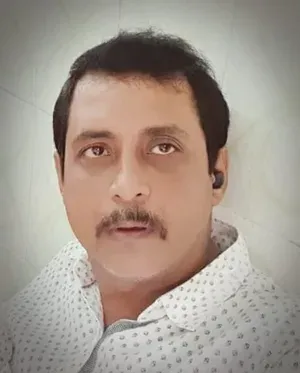
Sajal Ghosh, the Bharatiya Janata Party (BJP)'s newly elected legislator from Baranagar Assembly constituency in West Bengal's North 24 Parganas district, on Saturday signalled that the new BJP-led state government may remove chapters on the Singur and Nandigram land acquisition movements from the West Bengal school board syllabus. The movements, historically spearheaded by the All India Trinamool Congress (TMC), were credited with ending the Left Front's 34-year rule in the state.
What the BJP Legislator Said
Ghosh, who also serves as a party Councillor in the Kolkata Municipal Corporation, made the remarks at the sidelines of a counselling programme on Saturday afternoon. Speaking to reporters, he said, 'Demands have been raised from different academic quarters about the urgent necessity of changing the school education syllabus. The new state government will surely look into the matter.'
He specifically flagged the inclusion of Partha Chatterjee — former West Bengal Education Minister and TMC Secretary General — in the Singur chapter. Ghosh questioned how a politician who spent around three years in custody following his arrest by the Enforcement Directorate (ED) in the alleged multi-crore cash-for-school-job scam could feature in school-level educational content.
The Historical Context of Singur and Nandigram
The anti-land acquisition agitation at Singur in Hooghly district targeted Tata Motors's proposed Nano car manufacturing plant. A parallel movement at Nandigram in East Midnapore opposed a chemical hub project by the Indonesia-based Salim Group, which began in 2007. Both movements, led by then-Opposition leader Mamata Banerjee, are widely regarded as pivotal in dismantling the late Buddhadeb Bhattacharjee-led Left Front government.
After the TMC came to power in 2011, the Banerjee-led state government incorporated chapters on both movements into the school syllabus — a move critics at the time called political consolidation through education.
State Education Department in Transition
As of now, the new state government has not yet announced the name of the Education Minister. According to reports, the department is currently being overseen directly by Chief Minister Suvendu Adhikari himself, leaving the syllabus review timeline uncertain.
Significance and What Comes Next
The hint at syllabus revision carries significant political weight. Removing the Singur and Nandigram chapters would effectively erase from school textbooks the very narrative that propelled the TMC to power and shaped modern West Bengal politics. Critics are likely to argue that such a move substitutes one form of political history-writing with another. Notably, Ghosh himself rose through student politics in the 1990s, giving him a long vantage point on how political movements shape educational discourse in the state.
Formal decisions on syllabus changes are expected once the Education portfolio is officially assigned, and academic bodies will be watching closely for any gazette notification or curriculum committee announcement.
Point of View
More than any curriculum change, is that the new government intends to contest TMC's cultural dominance as aggressively as its electoral one. The irony is sharp: the same charge of political history-writing that BJP now levels at the TMC-era syllabus will inevitably be levelled at whatever replaces it.
NationPress
30 Sept 2026
Frequently Asked Questions
What chapters are BJP proposing to remove from West Bengal school syllabus?
BJP MLA Sajal Ghosh has hinted at removing chapters on the Singur and Nandigram land acquisition movements from the West Bengal state board school syllabus. These chapters were introduced by the TMC government after it came to power in 2011.
Why does BJP want to delete the Singur and Nandigram chapters?
Ghosh questioned the inclusion of former TMC minister Partha Chatterjee in the Singur chapter, noting that Chatterjee was arrested by the ED in an alleged multi-crore cash-for-school-job scam and spent around three years in custody. He argued such a figure should not feature in school educational content.
What were the Singur and Nandigram movements?
The Singur movement opposed Tata Motors's Nano car plant in Hooghly district, while the Nandigram movement resisted a chemical hub project by Indonesia-based Salim Group in East Midnapore — both beginning in 2007. Led by Mamata Banerjee as Opposition leader, the agitations are credited with ending the Left Front's 34-year rule in West Bengal in 2011.
Who is currently in charge of West Bengal's Education Department?
As of now, no Education Minister has been named by the new BJP-led state government. Chief Minister Suvendu Adhikari is reportedly overseeing the Education Department himself until a formal appointment is made.