BJP slams Opposition black-clothes protest, NEET disruptions in Parliament
Synopsis
BJP ministers went on the offensive as Opposition MPs arrived at Parliament in black to protest the NEET-UG paper leak and alleged police excesses. With the Centre offering a debate but the Opposition rejecting the terms, the standoff has deepened — and Giriraj Singh's 'black hearts' remark has handed the row a fresh, shareable edge.
Key Takeaways
BJP accused the Opposition of deliberately disrupting Parliament on 22 July despite the Centre's offer to hold a structured NEET-UG debate.
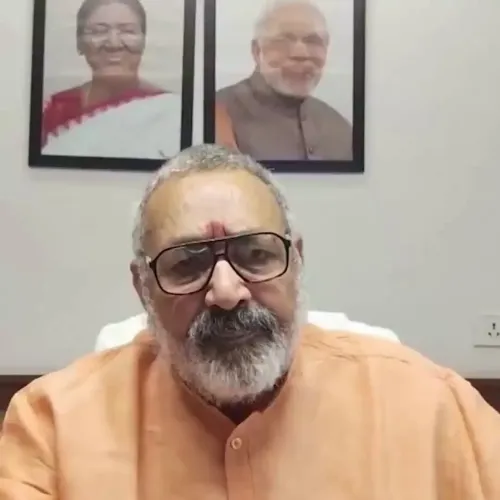
Union Minister Giriraj Singh said Opposition leaders' 'hearts are as black as their clothes,' referring to the black attire worn in protest.
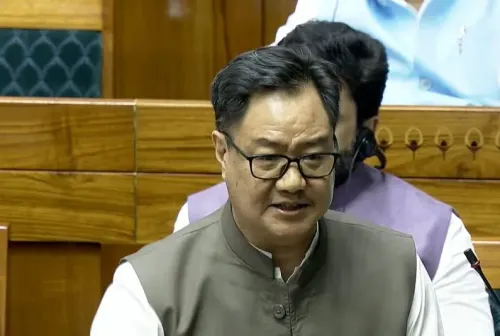
Union Parliamentary Affairs Minister Kiren Rijiju confirmed the government's readiness for a debate, with format and duration to be decided by the Speaker .
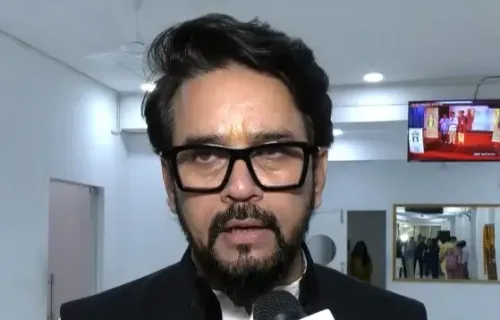
Union Minister Gajendra Singh Shekhawat said using Parliament for political ambition 'weakens democracy.' Union Minister Ramdas Athawale said the government does not support the NEET leak but opposed calls for Education Minister Dharmendra Pradhan's resignation.
The Opposition's black-clothes protest followed a high-voltage demonstration outside the Prime Minister's residence on Tuesday .
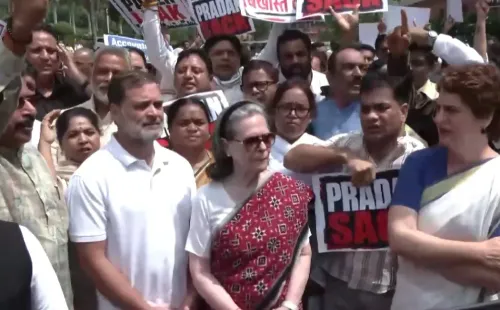
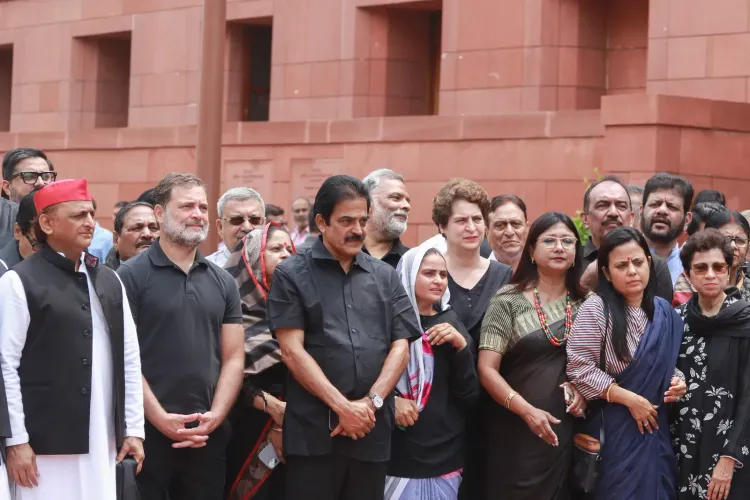
The Bharatiya Janata Party (BJP) on Wednesday, 22 July launched a pointed counter-offensive against the Opposition, accusing it of deliberately stalling Parliament proceedings despite the Centre's stated readiness to hold a structured debate on the NEET-UG paper leak. The confrontation spilled into sharp personal remarks, with Union Minister Giriraj Singh declaring that Opposition leaders' 'hearts are as black as their clothes' — a reference to the black attire worn by Opposition MPs as a mark of protest.
What Triggered the Standoff
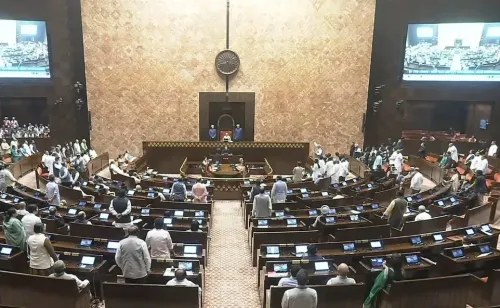
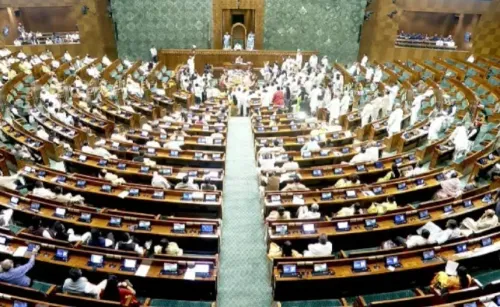
The immediate flashpoint was Tuesday's high-voltage demonstration outside the Prime Minister's official residence, during which Opposition members alleged police excesses against protesters. On Wednesday, Opposition MPs arrived at Parliament dressed in black, demanding the resignation of Union Education Minister Dharmendra Pradhan over the NEET-UG question paper leak and raising concerns about the Delhi Police action against demonstrators. Heated scenes followed inside the Lok Sabha as Opposition members pressed their demands from the floor.
What the Government Said
Union Parliamentary Affairs Minister Kiren Rijiju reiterated on the floor of the House that the Centre was prepared to hold a discussion on the NEET paper leak, adding that the duration, format, and procedural rules of any such debate would be determined by the Speaker in consultation with floor leaders of all parties.
Reacting to the continued disruptions, Giriraj Singh accused the Congress and other Opposition parties of blocking Parliament despite a government proposal for a peaceful debate. 'The Opposition and the Congress do not want to let Parliament function. The government gave them a proposal, but they refused. The government called for a peaceful debate, yet they still refused. Their hearts are as black as the clothes they are wearing,' Singh told reporters. He further alleged that the Opposition was 'doing politics by using students as a shield.'
Shekhawat and Athawale Weigh In
Union Minister Gajendra Singh Shekhawat argued that Parliament ought to serve as a platform for national development rather than political point-scoring. 'Lakhs of voters elect and send us to Parliament with hope and expectation that we will discuss issues related to the country's development and work towards making India a developed nation. In a democracy, Parliament should be a platform for meaningful discussion. Instead, if it is used to fulfil political ambitions or satisfy the hunger for power, it neither reflects a healthy democracy nor upholds its dignity. Rather, it weakens democracy,' he said. Shekhawat maintained that the government had already agreed to a discussion, and accused the Opposition of pursuing political objectives by refusing to participate.
Union Minister Ramdas Athawale took a more measured line, acknowledging the NEET leak as a legitimate concern while pushing back on the demand for the Education Minister's resignation. 'Rahul Gandhi is doing what he believes he has to do at the moment, which is to stage protests. As far as the NEET exam paper leak is concerned, we do not support it in any way,' Athawale said. He added that the government had already ordered a thorough investigation and insisted that 'Dharmendra Pradhan's resignation is not a solution.'
Broader Context
The NEET-UG paper leak controversy has roiled Indian higher education this season, triggering student protests across multiple states and drawing sustained political pressure on the National Testing Agency (NTA) and the Ministry of Education. This is not the first time the issue has paralysed Parliament proceedings; the monsoon session has seen repeated adjournments over the matter. The Opposition's escalation — from floor protests to a demonstration outside the PM's residence — signals that the controversy is far from settled, even as the government insists that investigative processes are already under way.
With both sides digging in, the immediate question is whether the Speaker-mediated format for a NEET debate will find cross-party agreement — or whether disruptions will continue to define the session.
Point of View
The ruling party risks shifting focus away from the substantive question — why the NEET-UG paper leaked in the first place and what systemic failures at the NTA enabled it. The Centre's offer of a debate is procedurally correct, but conditioning it on Speaker-mediated format gives the Opposition a credible reason to hold out. Notably, the loudest BJP voices on Wednesday were attacking the protest's aesthetics, not the underlying student grievance. That gap — between political optics and policy accountability — is exactly where Opposition narratives tend to gain traction with the public.
NationPress
21 Oct 2026
Frequently Asked Questions
Why are Opposition MPs wearing black in Parliament?
Opposition MPs arrived at Parliament on 22 July dressed in black to protest the NEET-UG question paper leak and to allege police excesses during a demonstration outside the Prime Minister's residence on Tuesday. The black attire was a visible symbol of their demand for Education Minister Dharmendra Pradhan's resignation.
What is the government's position on a NEET debate in Parliament?
The Centre, through Union Parliamentary Affairs Minister Kiren Rijiju, has stated it is ready to hold a discussion on the NEET-UG paper leak. However, the duration, format, and procedural rules of the debate are to be decided by the Lok Sabha Speaker in consultation with floor leaders of all parties.
What did Union Minister Giriraj Singh say about the Opposition protest?
Giriraj Singh said the Opposition and Congress 'do not want to let Parliament function' despite the government's offer of a peaceful debate. He remarked that their 'hearts are as black as the clothes they are wearing' and alleged they were 'doing politics by using students as a shield.'
Is the government calling for Dharmendra Pradhan's resignation?
No. Union Minister Ramdas Athawale explicitly stated that 'Dharmendra Pradhan's resignation is not a solution,' while affirming that the government does not support the NEET paper leak and has already ordered a thorough investigation into the matter.
What is the NEET-UG paper leak controversy about?
The NEET-UG paper leak refers to alleged irregularities in the conduct of India's national undergraduate medical entrance exam, which triggered widespread student protests and political demands for accountability against the National Testing Agency (NTA) and the Ministry of Education.